In the diverse world of industrial automation and machine design, proximity sensors are fundamental components for non-contact object detection. Among the various form factors available, the square proximity sensor stands out for its unique characteristics and specific application advantages. This article delves into the design, operational principles, and practical considerations of square proximity sensors.
A square proximity sensor, as the name implies, features a housing with a square or rectangular cross-section. This geometric shape is a deliberate design choice, differentiating it from the more common cylindrical (barrel-style) sensors. The primary construction typically involves a robust plastic or metal housing that encases the sensing element, oscillator, amplifier, and output circuitry. The sensing face is usually located on one of the flat sides of the square body. This form factor inherently provides a stable mounting surface, often with threaded holes or slots on multiple sides, facilitating secure and flush installation into machine frames, brackets, or enclosures.
The sensing technology within a square housing can vary, with inductive and capacitive being the most prevalent types in this form factor. Inductive square sensors are used for detecting metallic objects. They generate an electromagnetic field from the sensing face; when a metal target enters this field, it causes a change in oscillation amplitude, triggering the sensor's output switch. Capacitive square sensors can detect both metallic and non-metallic materials (like plastics, wood, or liquids) by sensing changes in capacitance caused by the presence of any material that alters the electrostatic field emanating from the sensor face.
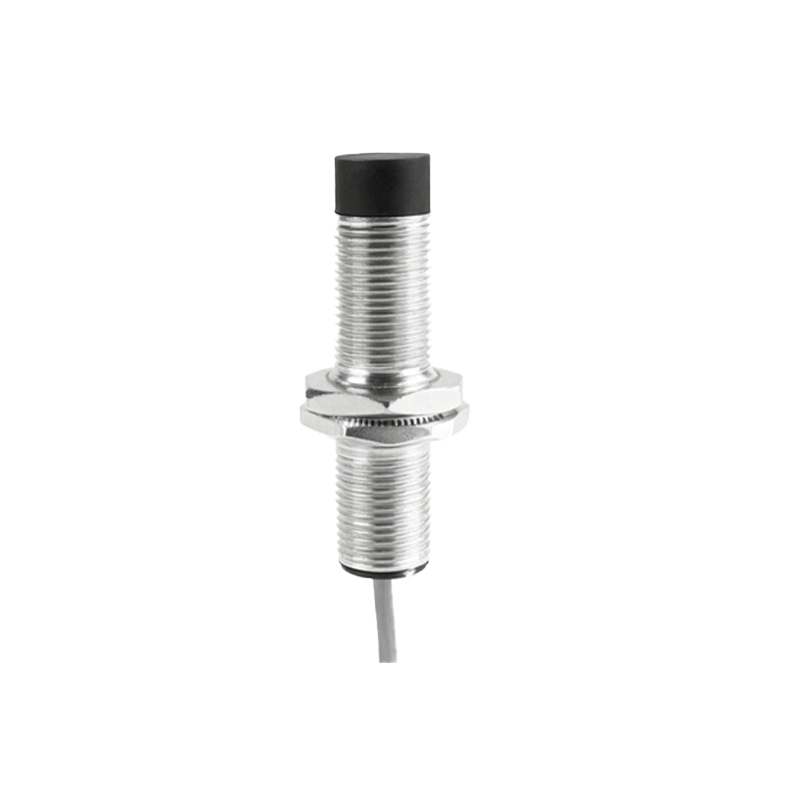
The square design offers several distinct benefits. First and foremost is its superior mounting stability. The flat sides prevent rotation after installation, ensuring the sensing face remains precisely aligned. This is critical in applications where consistent detection accuracy is paramount. Secondly, the shape allows for a larger internal volume compared to a cylindrical sensor of similar face dimensions. This extra space can be utilized for more robust electronics, additional features like advanced diagnostics (e.g., IO-Link functionality), or higher output current ratings. Furthermore, square sensors can often be mounted closer to each other in multi-sensor arrays without interference, maximizing space efficiency on a machine panel.
Typical applications for square proximity sensors are found in environments demanding ruggedness and precision. They are extensively used in material handling systems, packaging machinery, automotive assembly lines, and robotic cells. Their stable mounting makes them ideal for detecting pallets, tooling fixtures, actuator positions, or the presence of products on a conveyor. The capacitive square variants are commonly employed in level detection for tanks or hoppers containing non-conductive materials, or for detecting filled packages on a production line.
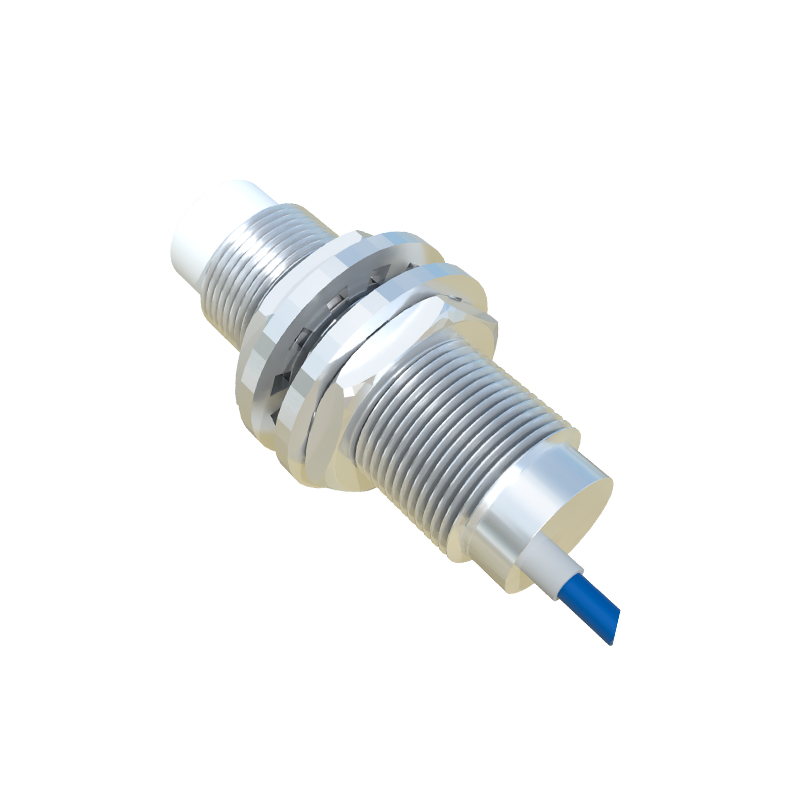
When selecting a square proximity sensor, several key parameters must be evaluated. The sensing range, specified for a standard target (often mild steel for inductive types), is crucial. It is typically shorter than equivalent cylindrical sensors due to the field shape, so careful consideration of the required mounting distance is necessary. The housing material, usually nickel-plated brass, stainless steel, or PBT plastic, should be chosen based on the environmental conditions (e.g., exposure to coolants, washdowns, or chemicals). The output type (PNP/NPN, NO/NC) and electrical connection (pre-wired cable or quick-disconnect) must match the control system's requirements. Finally, features like embedded LED status indicators, short-circuit and overload protection, and resistance to electromagnetic interference are important for reliable operation and easy maintenance.
In conclusion, the square proximity sensor is a specialized solution designed for applications where mounting stability, durability, and feature integration are prioritized. Its geometric form is not merely an aesthetic choice but an engineering decision that enhances performance in demanding industrial settings. By understanding its design rationale and operational specifics, engineers and technicians can effectively integrate these robust sensors to improve machine reliability, safety, and automation efficiency.