In the world of industrial automation, proximity sensors are indispensable components that enable machinery to detect the presence or absence of objects without physical contact. These devices are critical for ensuring safety, precision, and efficiency in manufacturing processes. As an electrical engineer with years of field experience, I have evaluated numerous proximity sensor models and brands. This article highlights some of the most reliable and effective proximity sensors available today, focusing on their key features, applications, and why they stand out in demanding industrial environments.
Proximity sensors operate based on various principles, including inductive, capacitive, ultrasonic, and magnetic technologies. Inductive sensors are particularly popular in metal detection applications due to their robustness and immunity to environmental factors like dust or moisture. For instance, the Sick IME18-08BPSZC0S inductive sensor offers a sensing range of up to 8 mm and is designed for harsh conditions, featuring a stainless steel housing that resists corrosion. Its high switching frequency makes it ideal for high-speed production lines, such as those in automotive assembly. Another notable model is the Omron E2E-X5ME1, which provides consistent detection of small metal parts with a sensing distance of 5 mm. Its built-in surge protection and temperature stability ensure longevity, reducing downtime in facilities with fluctuating operational conditions.
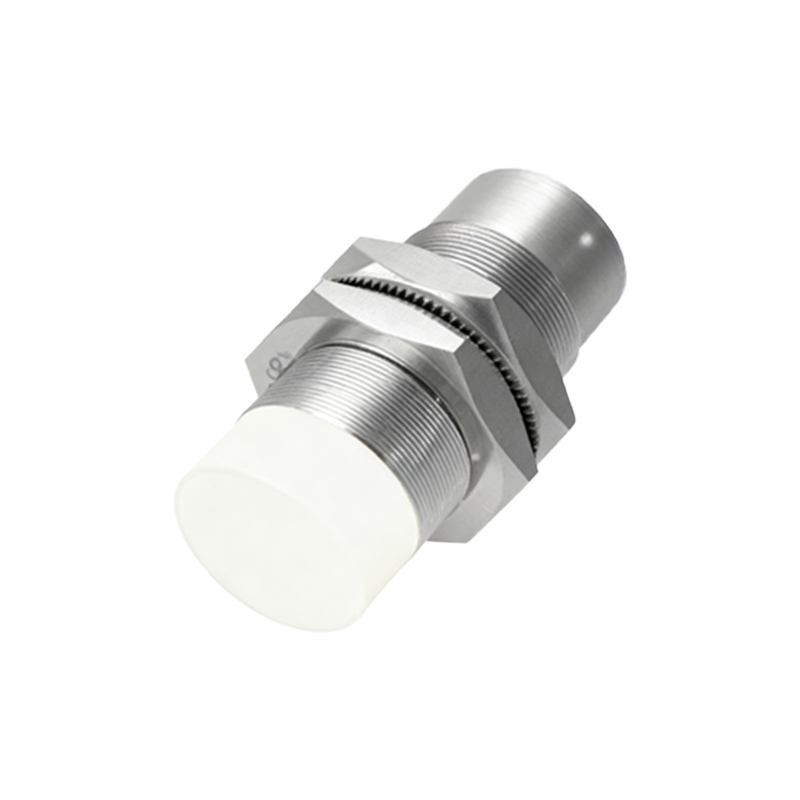
Capacitive proximity sensors, on the other hand, excel in detecting non-metallic materials like plastics, liquids, or wood. The Pepperl+Fuchs CBN20-FP4-E2-V1 is a standout choice for packaging and food processing industries. With a sensing range adjustable up to 20 mm, it can reliably identify materials through containers or barriers, thanks to its sensitivity tuning feature. This sensor is also IP67 rated, meaning it withstands water and dust ingress, making it suitable for washdown environments. In applications involving level control or material handling, capacitive sensors like the Balluff BCS00M6 offer versatile mounting options and LED indicators for easy diagnostics, enhancing maintenance efficiency.
For long-range detection or complex environments, ultrasonic proximity sensors provide an excellent solution. The Banner Q45UR series, for example, can detect objects up to 8 meters away with millimeter accuracy. It uses sound waves to measure distance, allowing it to operate effectively in areas with varying light or color conditions. This makes it perfect for logistics and warehouse automation, where pallets or boxes need to be tracked without interference. Additionally, magnetic proximity sensors, such as the Turck Bi10-M30-AP6X, are specialized for position sensing in hydraulic cylinders or valves. Their compact design and high resistance to shock and vibration ensure reliable performance in heavy machinery and mobile equipment.
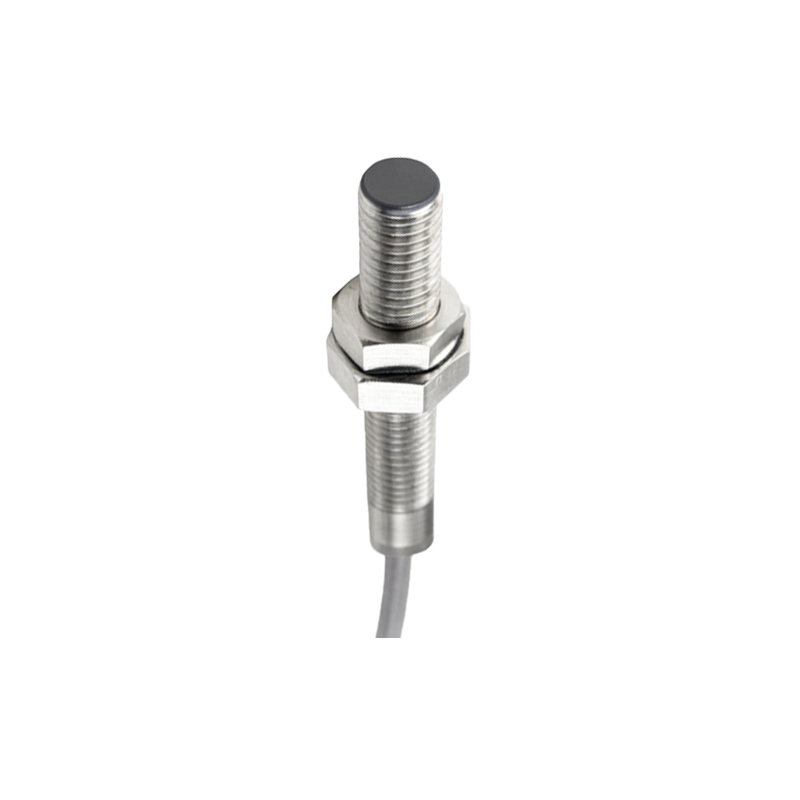
When selecting a proximity sensor, several factors must be considered to match the device with specific industrial needs. Sensing range is crucial; too short a range may cause missed detections, while an excessively long range could lead to false triggers. Environmental conditions, such as temperature extremes, humidity, or exposure to chemicals, dictate the required ingress protection (IP) rating and housing material. For instance, sensors in foundries or outdoor installations often need stainless steel or nickel-plated brass housings. Electrical specifications, including voltage supply (commonly 10-30 V DC) and output type (PNP or NPN), must align with the control system to avoid compatibility issues.
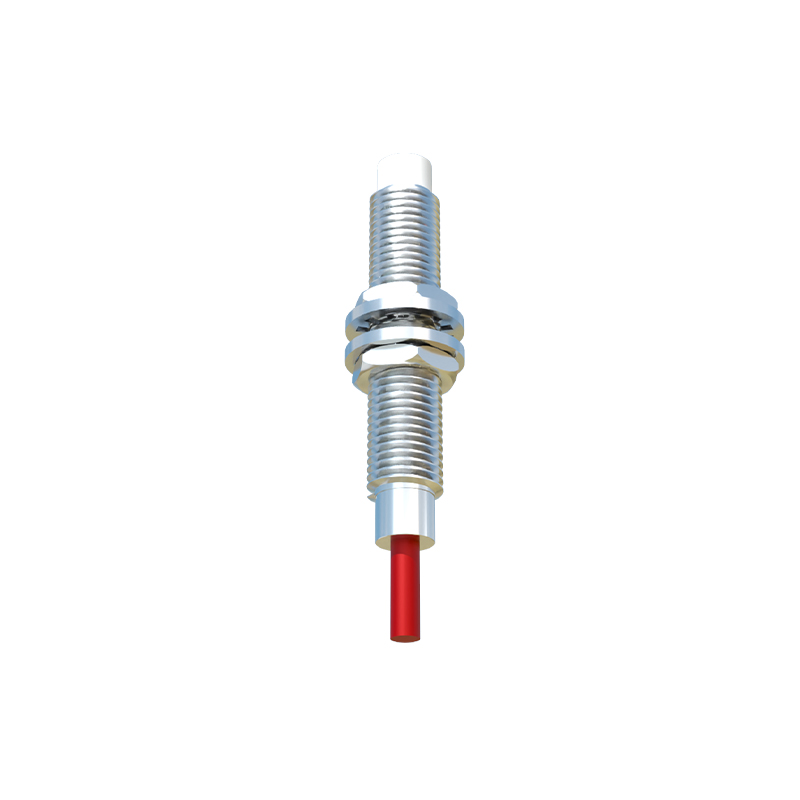
Maintenance and durability are equally important. Many modern proximity sensors feature diagnostic capabilities, such as IO-Link communication, which enables real-time monitoring and predictive maintenance. The ifm Electronic PMI510 series integrates IO-Link technology, allowing users to adjust parameters remotely and receive alerts on wear or malfunctions. This reduces manual inspections and extends the sensor's lifespan, ultimately lowering total cost of ownership. In high-cycle applications, like robotics or conveyor systems, sensors with high switching frequencies (e.g., over 1 kHz) prevent bottlenecks and ensure smooth operations.
In conclusion, the best proximity sensors combine advanced technology with rugged construction to meet the rigorous demands of industrial automation. Brands like Sick, Omron, Pepperl+Fuchs, and Banner consistently deliver products that enhance productivity and safety. By understanding the specific requirements of your application—whether it's detecting metal components on a fast-paced assembly line or monitoring liquid levels in a chemical plant—you can choose a sensor that offers reliability and precision. Investing in high-quality proximity sensors not only optimizes performance but also minimizes downtime, contributing to a more efficient and profitable operation. As automation continues to evolve, these devices will remain at the forefront of innovation, driving smarter and more responsive industrial systems.