Proximity sensors are indispensable components in modern industrial automation, enabling non-contact detection of objects without physical touch. These devices operate by emitting electromagnetic fields or beams of radiation and detecting changes in the field or return signal. Their ability to function reliably in harsh environments—resistant to dust, moisture, and vibration—makes them a cornerstone of efficiency and safety across numerous sectors. This article explores the diverse applications of proximity sensors, highlighting their critical roles in various industries.
In manufacturing and assembly lines, proximity sensors are ubiquitous. They are employed for precise object detection, position verification, and counting tasks. For instance, on conveyor systems, inductive proximity sensors detect the presence of metal parts, ensuring proper spacing and triggering robotic arms for pick-and-place operations. Capacitive sensors, on the other hand, can identify non-metallic materials like plastic, glass, or liquids, making them ideal for packaging lines where they verify fill levels in containers or detect labels on products. These applications minimize downtime, reduce product damage, and maintain consistent throughput.
The automotive industry heavily relies on proximity sensors for both manufacturing and vehicle functionality. On production floors, they ensure robotic welders and painters maintain correct distances from car bodies, enhancing precision and quality control. Within vehicles themselves, ultrasonic or electromagnetic proximity sensors form the backbone of parking assistance systems, alerting drivers to obstacles. They also monitor critical parameters, such as detecting the position of gear shafts or confirming door closure status, contributing to vehicle safety and performance.
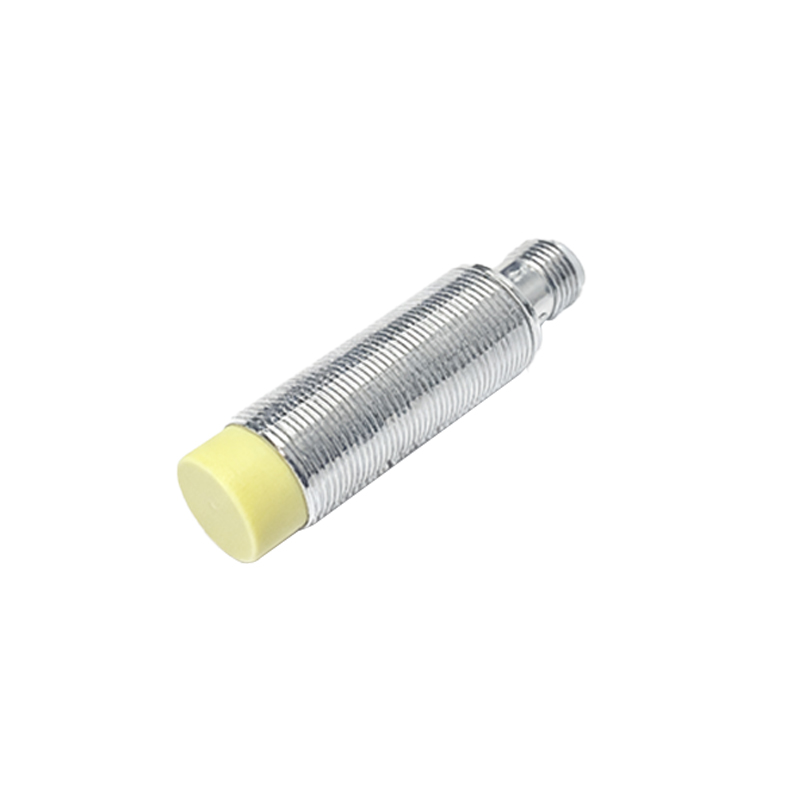
Material handling and logistics sectors utilize these sensors to streamline operations. In automated storage and retrieval systems (AS/RS), proximity sensors accurately position cranes and shuttles, enabling efficient inventory management. They are integral to palletizing and depalletizing robots, ensuring stable stacking of goods. Furthermore, on sorting conveyors, sensors identify packages and divert them to appropriate lanes based on size, destination, or barcode data, significantly speeding up distribution processes.
In the realm of machine safety, proximity sensors act as guardians. Safety-rated versions are installed as part of machine guarding systems to detect personnel entering hazardous zones, immediately triggering equipment shutdown to prevent accidents. They also serve as interlock sensors on protective doors or gates, ensuring machinery only operates when access panels are securely closed. This proactive approach to safety protects workers and complies with stringent international standards like ISO 13849.
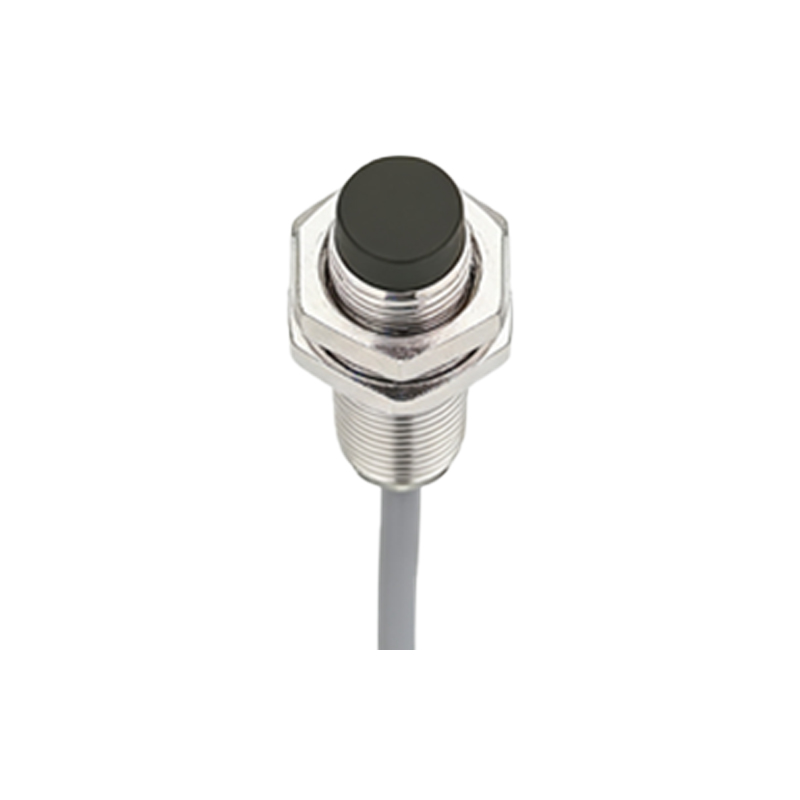
Beyond traditional factories, proximity sensors find applications in food and beverage processing, where hygiene is paramount. Stainless-steel housed sensors withstand frequent washdowns and detect containers on filling lines. In pharmaceutical manufacturing, they ensure precise positioning of vials during labeling and capping. Even in agriculture, sensors monitor equipment like seed drills or help in automated guidance systems for tractors.
The energy sector employs them for monitoring and control. In wind turbines, sensors detect the position of blades or the status of hydraulic systems. In oil and gas installations, they monitor valve positions or detect liquid levels in tanks, often in explosive atmospheres where intrinsically safe designs are required.
Emerging trends include the integration of IO-Link communication in smart sensors, enabling real-time data exchange on parameters like sensor health, temperature, or switch counts for predictive maintenance. This connectivity aligns with Industry 4.0 initiatives, fostering smarter, more responsive production environments.
In summary, proximity sensors are versatile tools that enhance automation, safety, and efficiency. From foundational manufacturing tasks to advanced automotive systems and smart logistics, their ability to provide reliable, non-contact detection makes them essential in driving industrial innovation and operational excellence. As technology evolves, their applications will continue to expand, further embedding them into the fabric of modern industry.