In the realm of industrial automation, the integration of proximity sensors with solenoid valves represents a cornerstone of efficient and reliable control systems. A proximity sensor, a non-contact device, detects the presence or absence of an object within its sensing field without physical contact. When paired with a solenoid valve—an electromechanically operated valve for controlling the flow of liquids or gases—this combination enables precise, rapid, and automated actuation in countless applications, from assembly lines and packaging machinery to fluid power systems and robotic cells.
The operational principle is elegantly straightforward. The proximity sensor, often an inductive, capacitive, or magnetic type, is strategically positioned to monitor a target, such as a machine part, piston rod, or product on a conveyor. Upon detecting the target, the sensor generates an electrical signal. This signal is typically a discrete DC voltage (e.g., 24V DC) or a change in current, which is then transmitted to a control unit like a Programmable Logic Controller (PLC) or a direct relay interface. The control logic processes this input and, based on the programmed sequence, sends a command to energize or de-energize the solenoid coil of the valve. This action shifts the valve's internal spool or plunger, thereby opening or closing the flow path almost instantaneously.
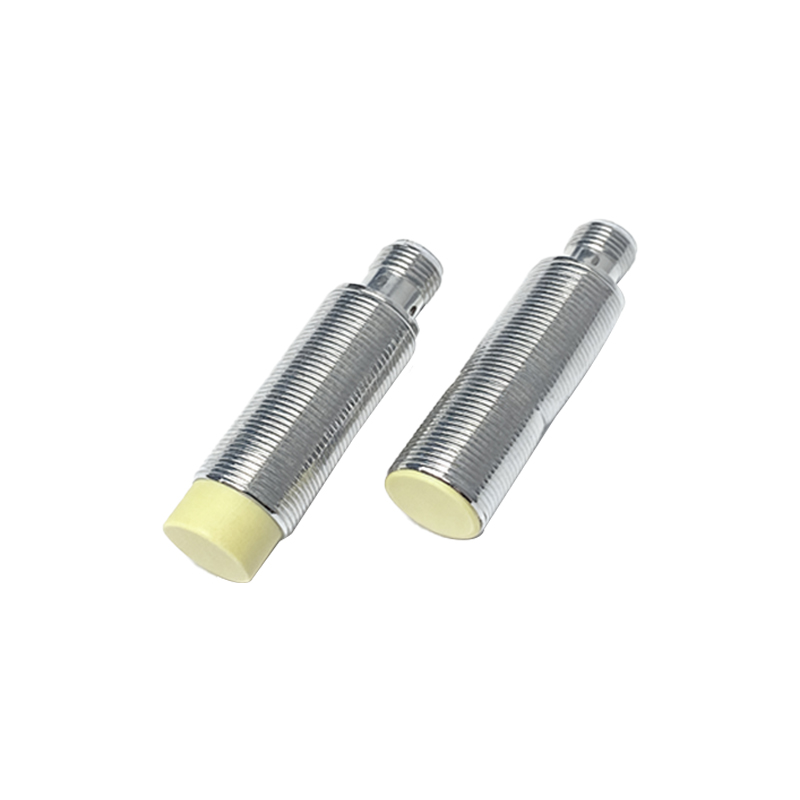
The selection of the appropriate proximity sensor is critical and depends on the application environment and target material. Inductive sensors are ideal for detecting metallic objects and are highly robust in harsh industrial settings with oil, dust, or vibration. Capacitive sensors can detect both metallic and non-metallic materials (like plastics, wood, or liquids), making them suitable for level detection or material handling. Magnetic sensors (reed or Hall-effect) are specifically used with piston cylinders that have integrated magnets, providing precise end-position detection for pneumatic or hydraulic cylinders that actuate valves.
Key advantages of using proximity sensors for solenoid valve control are manifold. Firstly, they offer exceptional reliability and longevity due to the absence of mechanical contact and wear. This translates to reduced maintenance and higher system uptime. Secondly, they provide high-speed response, often in milliseconds, which is essential for modern high-cycle automation processes. Thirdly, their solid-state design ensures consistent performance even in demanding conditions involving moisture, temperature fluctuations, or electromagnetic interference, especially when properly housed and shielded.
For optimal system design, engineers must consider several factors. Electrical compatibility is paramount: the sensor's output type (PNP/NPN, NO/NC) must match the input requirements of the controller and the power supply for the solenoid valve. Load characteristics, including the inrush current of the solenoid coil, must be assessed to prevent sensor output overload; sometimes an intermediate relay or an amplifier is necessary. Proper mounting, alignment, and sensing distance (ensuring it is within the sensor's rated nominal range) are crucial for consistent detection. Additionally, integrating diagnostic features, such as sensors with LED status indicators or IO-Link capability, can significantly enhance troubleshooting and predictive maintenance.
In practice, a common application is in automated clamping or pressing operations. A proximity sensor detects when a workpiece is correctly positioned in a fixture. This signal commands a solenoid valve to direct compressed air to a pneumatic cylinder, which then clamps the part securely for machining. Another example is in liquid filling systems, where a capacitive sensor detects the liquid level in a tank. Upon reaching the set point, it signals the control system to close the solenoid valve, stopping the inflow precisely.
In conclusion, the synergy between proximity sensors and solenoid valves forms a fundamental building block of automated control. By enabling fast, accurate, and contactless switching based on object detection, this pairing enhances system precision, efficiency, and reliability. As Industry 4.0 advances, the integration of smart sensors with networked control systems will further optimize the monitoring and control of solenoid valve actuation, paving the way for more intelligent and adaptive industrial automation solutions.