In the intricate ecosystem of additive manufacturing, where digital designs are meticulously transformed into physical objects layer by layer, the role of precision sensing cannot be overstated. Among the suite of critical components, proximity sensors have emerged as unsung heroes, quietly ensuring the foundational accuracy and operational safety of 3D printers. These devices, which detect the presence or absence of an object without physical contact, are pivotal in bridging the gap between theoretical digital models and flawless physical prints.
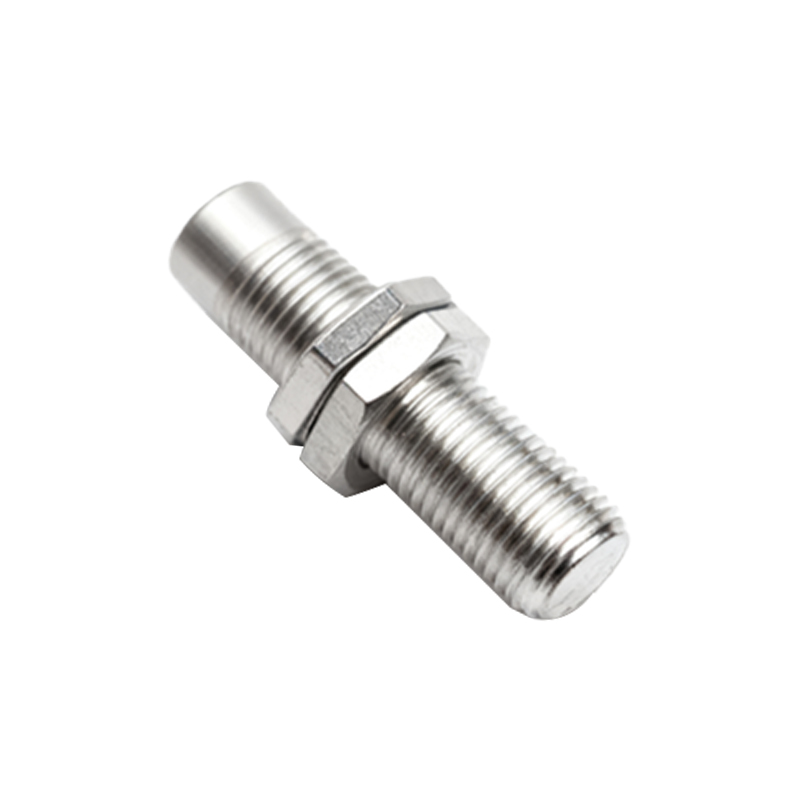
The primary function of a proximity sensor in a 3D printer is to establish and maintain precise spatial references. The most critical application is in the process of bed leveling or nozzle height calibration. Before any printing commences, the printer must ascertain the exact distance between the print nozzle and the build platform. An inductive or capacitive proximity sensor, often mounted on the print head or the gantry, systematically scans the build surface. By detecting the metallic build plate or the platform itself, it creates a detailed topographic map. This data is fed to the printer's controller, which can then dynamically adjust the Z-axis height during the initial layer deposition. This automated process, far superior to manual paper-based leveling, compensates for any warping or unevenness in the build plate, ensuring perfect first-layer adhesion—a non-negotiable prerequisite for a successful print.
Beyond bed leveling, proximity sensors are integral to ensuring operational boundaries and preventing catastrophic failures. Optical or Hall effect sensors are frequently employed as endstops on the X, Y, and Z axes. As the print head or bed moves, these sensors detect when a carriage approaches its mechanical limit, sending an immediate signal to halt the stepper motors. This not only defines the printer's absolute zero position but also prevents collisions that could damage rods, belts, or the frame itself. In high-speed or coreXY printers, this function is vital for maintaining consistent homing accuracy and protecting the substantial mechanical investment.
Another sophisticated application is in filament runout detection. A simple optical proximity sensor can be positioned along the filament path. When filament is present, it blocks the sensor's beam; a break or runout clears the path, triggering the beam and sending an alert to pause the print. This allows users to reload filament without ruining a multi-hour print job, thereby saving time, material, and frustration. Similarly, in enclosed printers managing high-temperature materials like ABS, sensors can monitor door closure or filter status, ensuring a controlled environment is maintained for print integrity and user safety.
The choice of sensor technology—inductive, capacitive, optical, or Hall effect—is dictated by the specific material to be detected and the environmental conditions. Inductive sensors, which react to metals, are ideal for detecting a metallic build plate. Capacitive sensors can detect non-metallic materials like glass or PCB beds. Optical sensors, using infrared or laser light, are common for filament detection and some non-contact bed leveling systems. Each type brings distinct advantages in terms of sensing range, response speed, and immunity to ambient factors like dust or temperature fluctuations common in a printer's interior.
The integration of these sensors directly influences print quality and machine reliability. A printer equipped with reliable proximity sensing requires less user intervention, reduces print failure rates, and enables more complex, long-duration prints with confidence. It automates critical calibration steps, making the technology more accessible to novices while providing experts with the consistency needed for prototyping and production. As 3D printing evolves towards industrial-grade applications with tighter tolerances and advanced materials, the demand for robust, high-accuracy sensing solutions will only intensify.
In conclusion, proximity sensors are fundamental enablers of precision and automation in modern 3D printing. From ensuring the crucial first layer to safeguarding mechanical systems and monitoring consumables, they provide the essential feedback that transforms a mechanical plotter into an intelligent, reliable manufacturing tool. Their continued development and integration will be central to achieving the next levels of speed, reliability, and autonomy in additive manufacturing systems.