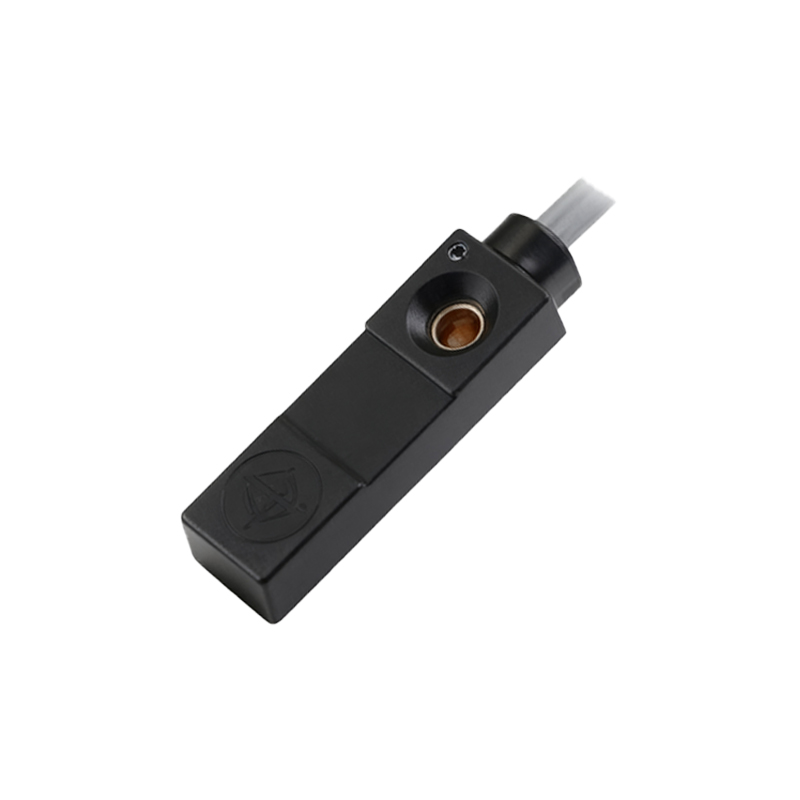
In the demanding environment of cement production, precision, reliability, and safety are non-negotiable. From raw material handling to clinker cooling and final packaging, countless processes depend on accurate object detection and positioning. Traditional mechanical limit switches and ultrasonic sensors, while useful in some applications, often fall short in the face of pervasive dust, extreme temperatures, and mechanical vibrations characteristic of cement plants. This is where laser proximity sensors emerge as a transformative solution, offering unparalleled accuracy and robustness for critical monitoring and control tasks.
The core advantage of laser sensors lies in their operating principle. They emit a focused beam of light—typically from a visible red or Class 1 infrared laser diode—and measure the time-of-flight or triangulation to determine the distance to a target with millimeter precision. This non-contact method eliminates the wear and tear associated with physical contact switches, dramatically increasing service life and reducing maintenance downtime. For instance, in the pre-heater tower, laser sensors can continuously and accurately monitor the level of raw meal in silos, preventing overfills and ensuring a consistent feed to the kiln. Their narrow beam allows them to ignore false echoes from build-up on silo walls, a common failure point for other technologies.
Another critical application is on the rotary kiln and cooler. Monitoring the position of the kiln shell is vital for preventing costly misalignment and mechanical damage. Laser displacement sensors can be installed to provide real-time, high-resolution data on kiln tire roll and axial thrust, enabling predictive maintenance before catastrophic failure occurs. Similarly, on grate coolers, they ensure optimal clinker bed height by controlling the grate speed, directly impacting cooling efficiency and clinker quality. The sensor's ability to penetrate dust curtains and withstand radiant heat from the clinker is essential here.
Conveyor systems throughout the plant also benefit immensely. Laser sensors provide precise detection for bulk material presence on belt conveyors, tripper car positioning, and crusher level control. Their fast response time allows for immediate shutdown in case of belt slip or blockage, protecting downstream equipment. In packaging and palletizing areas, they ensure precise positioning of bags and pallets, automating logistics with high repeatability.
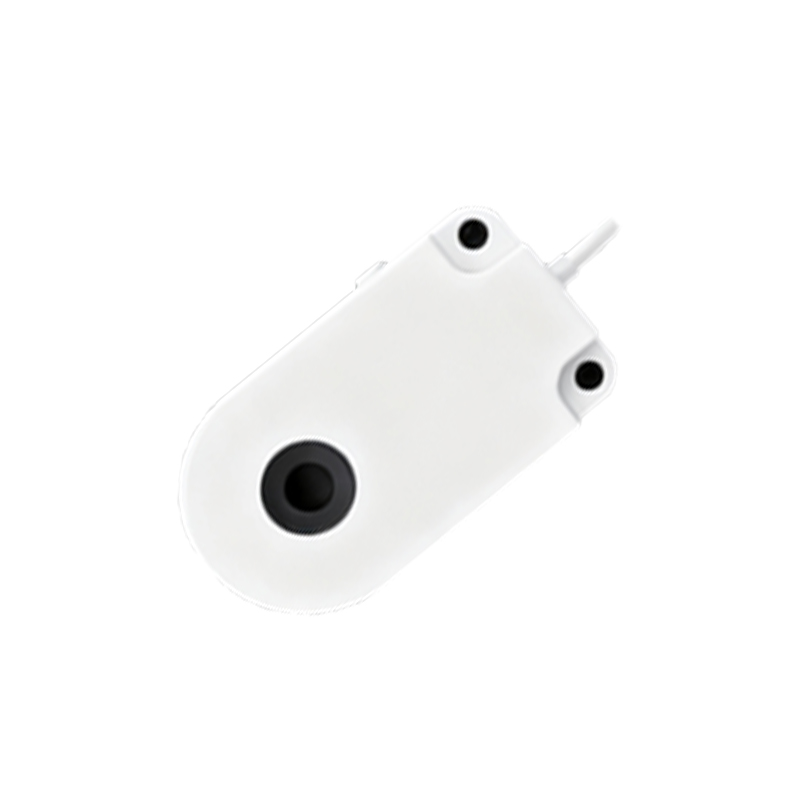
Selecting the right laser sensor for a cement plant requires careful consideration of several key specifications. The sensing range must be appropriate for the application, whether it's a short-range measurement on a conveyor or a long-range measurement across a large silo. The laser spot size is crucial; a smaller spot allows for more precise detection of small objects or edges. Robust housing is mandatory, typically rated at IP67 or IP69K to resist dust ingress and high-pressure washdown. Operating temperature range must withstand ambient conditions near the kiln or cooler. Finally, output options (e.g., analog 4-20mA, discrete NPN/PNP, or IO-Link for digital communication) must integrate seamlessly with the plant's existing PLC systems.
Installation and alignment are straightforward but critical. The sensor must be securely mounted to minimize vibration effects. The laser beam should be aimed precisely at the target material, avoiding angles that could cause specular reflection away from the receiver. Regular lens cleaning might be necessary in areas with heavy dust accumulation, though many models feature contamination indicators that alert operators when cleaning is required, preventing unexpected faults.
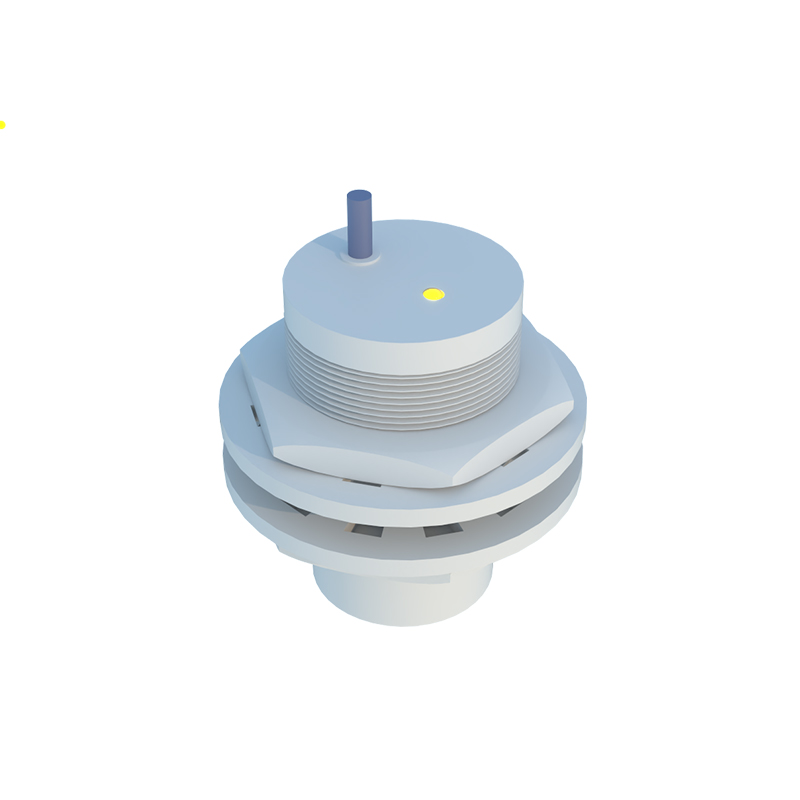
The return on investment for laser proximity sensors is clear. They reduce unplanned downtime by providing reliable data for condition monitoring. They improve process efficiency by enabling tighter control over material levels and equipment positioning. They enhance safety by replacing manual inspections in hazardous areas. And they lower long-term maintenance costs by eliminating mechanical parts prone to failure.
In conclusion, the integration of laser proximity sensors represents a significant step toward the modern, data-driven cement plant. By providing precise, reliable, and non-contact measurement in the industry's harshest environments, they are not merely replacing older technologies but enabling new levels of automation, efficiency, and predictive maintenance. For engineers and plant managers aiming to optimize production, reduce costs, and improve safety, laser sensors are an indispensable tool in the ongoing evolution of cement manufacturing.