In the intricate world of industrial automation and machinery control, the proper functioning of proximity sensors is paramount to operational safety, efficiency, and system integrity. The S8 series of inductive proximity sensors, renowned for their reliability and precision, are a staple in countless applications, from packaging lines to robotic assembly cells. A scenario where an S8 proximity sensor is reported as "unobstructed" or "not blocked" is not merely a status update; it is a critical piece of diagnostic information that requires thorough understanding from an engineering perspective.
Fundamentally, an inductive proximity sensor like the S8 detects the presence or absence of a metallic target within its sensing range without physical contact. When the sensor's electromagnetic field is undisturbed by a target, it remains in its default state—often termed "unobstructed." This state is typically indicated by the de-energization of its output switch (for normally open configurations) or the illumination of a specific status LED. While this is a normal condition during certain phases of a machine cycle, its persistence or occurrence at an unexpected point in the process signals a deviation that must be investigated.
The implications of an unobstructed S8 sensor are entirely context-dependent on its programmed function within the control logic. In a safety interlock circuit, for instance, an unobstructed sensor might indicate that a safety guard door is properly closed and latched, allowing the machine to operate. Here, the "unobstructed" state is the desired condition for enabling production. Conversely, in a material handling application, an unobstructed sensor on a feed track signifies the absence of a part. If the machine logic expects a part to be present for a subsequent operation, this unobstructed state will halt the cycle, preventing potential damage from a "missed pick" or empty tooling. This is a protective function, highlighting the sensor's role in preventing faults.
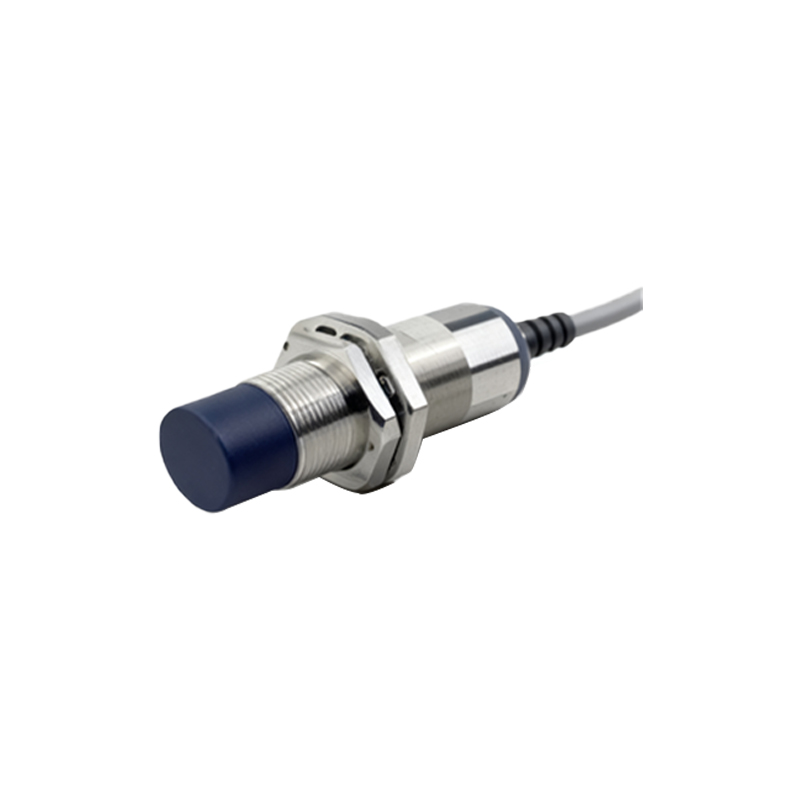
Troubleshooting a persistently unobstructed S8 sensor when a target is expected involves a structured approach. First, verify the physical alignment and distance between the sensor face and the target object. The sensing distance, specified by the sensor's Sn rating, must not be exceeded, and the target must be of a suitable material (ferrous or non-ferrous metal, depending on the sensor type) and sufficient size. Second, inspect the sensor and its environment for contaminants like metal chips, dust, or conductive fluids that could saturate the electromagnetic field, effectively "blinding" the sensor to the specific target. Third, perform electrical diagnostics. Check the supply voltage at the sensor terminals to ensure it is within the specified range (e.g., 10-30 VDC). Use a multimeter to monitor the output signal in response to a target. A faulty sensor may not switch its output state despite correct target presentation.
Furthermore, the issue may lie not with the sensor itself but with the downstream components. A broken wire, a faulty PLC input module, or an incorrect addressing scheme in the software can all manifest as a perpetual "unobstructed" signal to the controller. Engineers must trace the signal path from the sensor back to the control system. Modern S8 sensors with IO-Link capability offer advanced diagnostics, providing detailed parameters like switching frequency, operating temperature, and internal health status, which can be invaluable for predictive maintenance and rapid fault isolation.
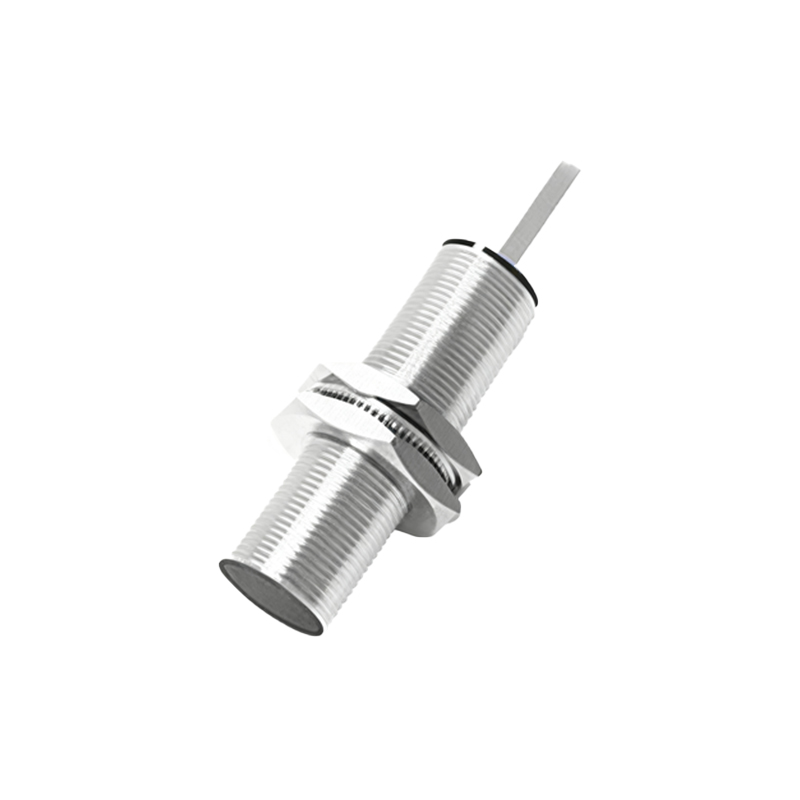
From a system design perspective, the logic response to an unobstructed sensor state must be carefully engineered. It should account for normal non-detection periods, incorporate debounce timers to filter out signal chatter, and initiate appropriate sequences—whether that is a controlled stop, a warning alarm, or a bypass for manual operation. Redundancy, using two sensors in a voting logic, is often employed in critical applications to differentiate between a single sensor failure and a genuine process anomaly.
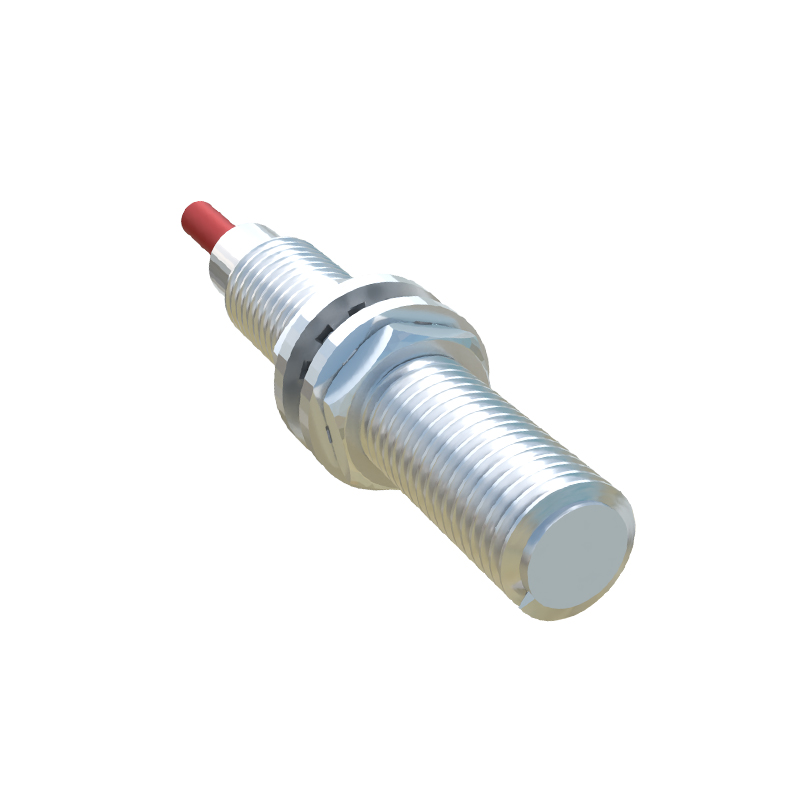
In conclusion, an S8 proximity sensor in an unobstructed state is a neutral condition whose significance is defined by its application. For the seasoned engineer, it represents a key digital input into the machine's state machine. A deep understanding of the sensor's principle, meticulous installation, rigorous environmental protection, and intelligent control logic design are all essential to leveraging its full potential. When an "unobstructed" status becomes a fault indicator, a systematic diagnostic protocol—encompassing mechanical, electrical, and software checks—is the cornerstone of restoring robust and reliable automated operation. The goal is always to ensure that the sensor reliably informs the system of the physical world's truth, enabling seamless and safe industrial productivity.