Proximity sensors have become indispensable components in modern industrial and commercial systems, offering non-contact detection of objects with high precision and reliability. These sensors operate on various principles, including inductive, capacitive, ultrasonic, and photoelectric technologies, each tailored to specific environmental and operational needs. Their ability to function without physical contact minimizes wear and tear, reduces maintenance costs, and enhances operational safety, making them a preferred choice across diverse sectors.
In the manufacturing and automation industry, proximity sensors play a critical role in assembly lines, robotics, and quality control processes. Inductive sensors, for instance, are widely used for detecting metallic objects in machinery, enabling precise positioning of parts in conveyor systems or automated welding equipment. Capacitive sensors, on the other hand, can detect non-metallic materials such as plastics, glass, or liquids, facilitating applications like fill-level monitoring in containers or packaging verification. These sensors contribute to increased efficiency, reduced downtime, and improved product consistency, aligning with Industry 4.0 initiatives for smart factories.
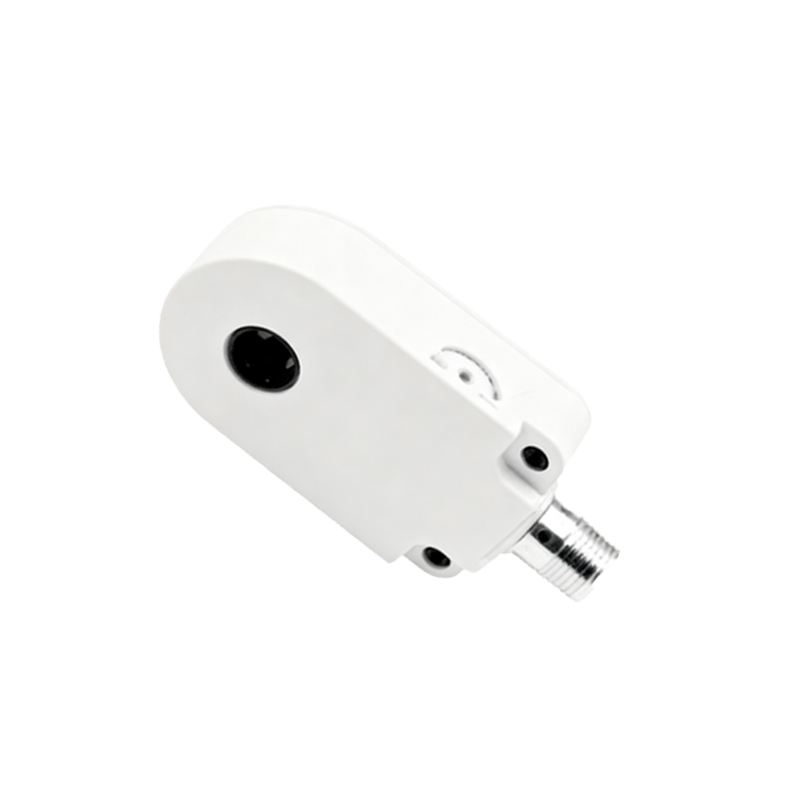
The automotive sector relies heavily on proximity sensors for safety and automation features. In vehicles, ultrasonic sensors are integrated into parking assistance systems to detect obstacles and prevent collisions, while inductive sensors monitor wheel speed for anti-lock braking systems (ABS). Advanced driver-assistance systems (ADAS) utilize a combination of sensor technologies to enable features like adaptive cruise control and lane-keeping assistance, enhancing road safety. Beyond vehicles, proximity sensors are employed in automotive manufacturing for robotic assembly, paint booth monitoring, and inventory management, streamlining production workflows.
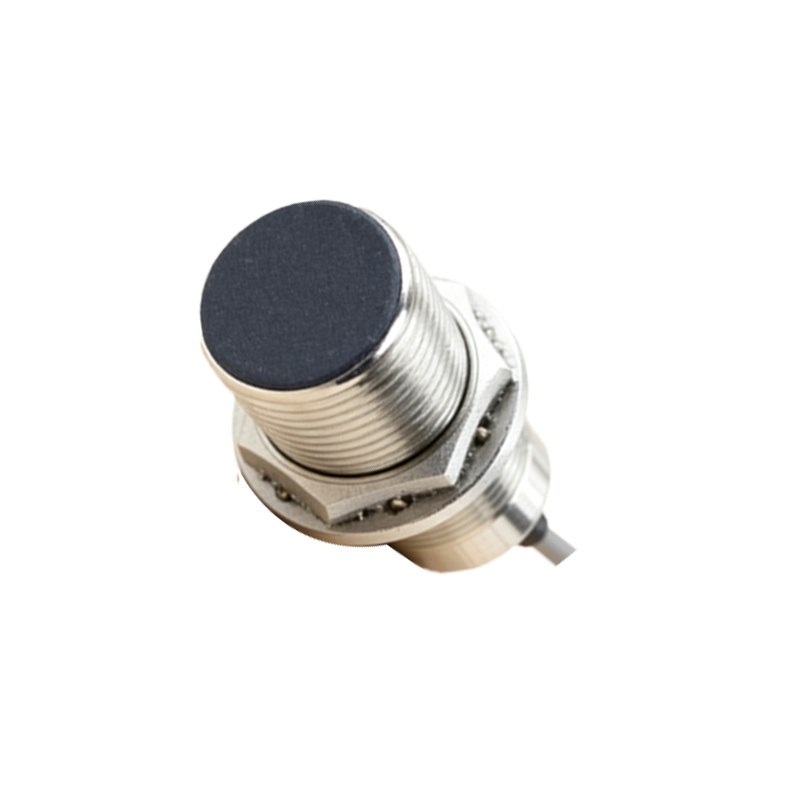
Consumer electronics and home appliances also benefit from proximity sensor applications. Smartphones incorporate these sensors to detect when a user is holding the device near their ear during calls, automatically turning off the display to save power and prevent accidental touches. In home automation, sensors enable touchless controls for faucets, soap dispensers, and lighting systems, promoting hygiene and energy conservation. Additionally, gaming consoles and virtual reality devices use proximity sensors to track user movements, creating immersive interactive experiences.
In the aerospace and defense industries, proximity sensors ensure precision and safety in critical operations. They are used in aircraft landing gear systems to confirm deployment status, in engine monitoring to detect component alignment, and in navigation systems for obstacle avoidance. Military applications include unmanned aerial vehicles (UAVs) for terrain sensing and missile guidance systems, where reliability under extreme conditions is paramount. The non-contact nature of these sensors reduces the risk of mechanical failure in high-stakes environments.
Healthcare and medical devices leverage proximity sensors for enhanced patient care and equipment functionality. In diagnostic imaging machines, sensors help position patients accurately, while infusion pumps use them to detect fluid levels and prevent air bubbles. Surgical robots incorporate proximity sensors for precise instrument movement, minimizing invasiveness and improving outcomes. Furthermore, wearable health monitors employ sensors to track user proximity to other devices or surfaces, aiding in fall detection for elderly patients.
The energy and utilities sector utilizes proximity sensors for monitoring and safety in power plants, oil refineries, and renewable energy installations. In wind turbines, sensors detect blade position and speed, optimizing performance and preventing damage. For oil and gas pipelines, they monitor valve positions and leak detection, ensuring operational integrity. Solar tracking systems also rely on sensors to adjust panel angles for maximum sunlight exposure, boosting energy efficiency.
Emerging trends, such as the Internet of Things (IoT) and smart infrastructure, are expanding proximity sensor applications further. In smart cities, sensors enable traffic management by detecting vehicle presence at intersections, reducing congestion. Agricultural automation uses them for precision farming, such as guiding autonomous tractors or monitoring crop levels. As technology advances, the integration of artificial intelligence with sensor data promises even smarter, adaptive systems across all industries.
Overall, proximity sensors are versatile tools that drive innovation and efficiency. Their adaptability to different materials, environments, and challenges underscores their value in an increasingly automated world. By enabling seamless interaction between machines and their surroundings, these sensors pave the way for safer, more productive, and sustainable industrial and consumer solutions.