In the realm of industrial automation and control systems, proximity sensors stand as fundamental components for non-contact object detection. Among the diverse technologies available, proximity sensors with integrated permanent magnets represent a specialized and highly reliable solution, particularly for detecting ferromagnetic targets. This article delves into the operational principles, key advantages, common types, and critical application considerations for these robust sensing devices.
At its core, a proximity sensor with a magnet utilizes a simple yet effective principle. The sensor itself typically houses a reed switch or a solid-state Hall-effect sensor. This sensing element is paired with a permanent magnet, creating a self-contained detection unit. The operational state of the sensor changes when a ferromagnetic object, such as steel or iron, enters the magnetic field. For a reed switch-based sensor, the magnetic field from the target object augments the field from the internal magnet, causing the ferromagnetic reeds to flex and make contact, thus closing the circuit. Conversely, in some configurations, the ferromagnetic object may shield or divert the magnetic field, causing the reeds to separate. Hall-effect sensors detect changes in magnetic flux density, providing a digital or analog output signal when the predefined threshold is crossed by the approaching target.
The integration of a magnet offers several compelling advantages. Foremost is exceptional reliability in harsh environments. Since the detection relies on magnetic fields, these sensors are largely immune to common industrial nuisances such as dust, dirt, oil, water, and vibrations. This makes them ideal for applications in machine tools, hydraulic systems, and outdoor equipment where contamination is a constant challenge. They require no physical contact with the target, eliminating mechanical wear and tear, which translates to a long operational lifespan and minimal maintenance. Furthermore, their design is often simple and robust, leading to cost-effectiveness for high-volume applications. The switching characteristic is typically very crisp, providing a clear and unambiguous signal to the controller.
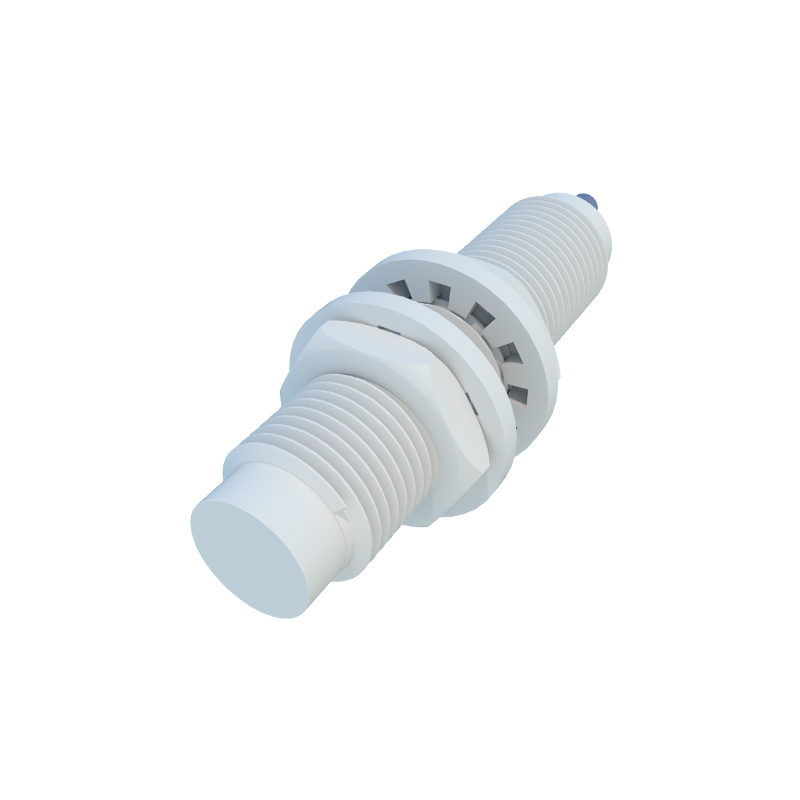
Several common types of magnetic proximity sensors are deployed across industries. The most traditional is the reed sensor, prized for its simplicity, low power consumption, and ability to switch both AC and DC loads. However, reed switches can be susceptible to shock and have a finite mechanical life. The Hall-effect sensor has gained immense popularity due to its solid-state construction, offering virtually unlimited switching cycles, higher switching frequencies, and excellent repeatability. It is the technology of choice for precise position sensing, such as in cylinder position detection. Another variant is the magnetoresistive sensor, which offers high sensitivity and the ability to detect not just the presence but also the strength and direction of a magnetic field, useful in more advanced positioning tasks.
Selecting and applying a magnetic proximity sensor requires careful consideration of several parameters. Sensing Distance: The rated operating distance is typically shorter than that of inductive sensors and is highly dependent on the size and material of both the magnet and the target. It is crucial to consult manufacturer datasheets. Target Material: The sensor is specifically designed for ferromagnetic materials. Non-ferrous metals like aluminum, brass, or copper, and non-metallic materials will not be detected. The target size and shape also influence performance. Mounting: Proper alignment between the sensor and the expected path of the target is essential. Side-mounted or face-mounted configurations are common. The sensor body is often made of stainless steel or rugged polymers to withstand industrial environments. Electrical Characteristics: Output type (NPN/PNN, NO/NC), voltage range, load current, and protection against reverse polarity and short circuits must match the control system requirements. Environmental Factors: While resistant to contaminants, extreme temperatures can affect the magnet's strength and the sensor's electronics. The operating temperature range must be adhered to.
Typical applications are widespread. They are extensively used for end-of-travel detection on pneumatic and hydraulic cylinders, where a small magnet embedded in the piston triggers the sensor. In material handling, they monitor the position of crane hooks, doors, and guards. In automotive assembly lines, they verify the presence of metal components. They also serve as simple limit switches in various machinery, providing a reliable "home" or "stop" position signal.
In conclusion, proximity sensors with integrated magnets offer a uniquely durable and straightforward solution for detecting ferromagnetic objects in demanding conditions. Their immunity to environmental factors, non-contact operation, and proven technology make them an indispensable tool in an engineer's arsenal. When the application involves steel or iron targets and calls for unwavering reliability over sheer sensing range, these magnetic workhorses consistently deliver optimal performance, ensuring smooth and safe operation of automated systems.