In industrial automation and machinery, the reliability of components is non-negotiable. Among these, M8x1 threaded proximity sensors play a critical role in detection and positioning tasks. However, not all sensors are created equal. Distinguishing a high-quality M8x1 proximity sensor from a substandard one requires a systematic approach grounded in technical evaluation and practical testing. This guide outlines key methodologies to assess sensor quality effectively.
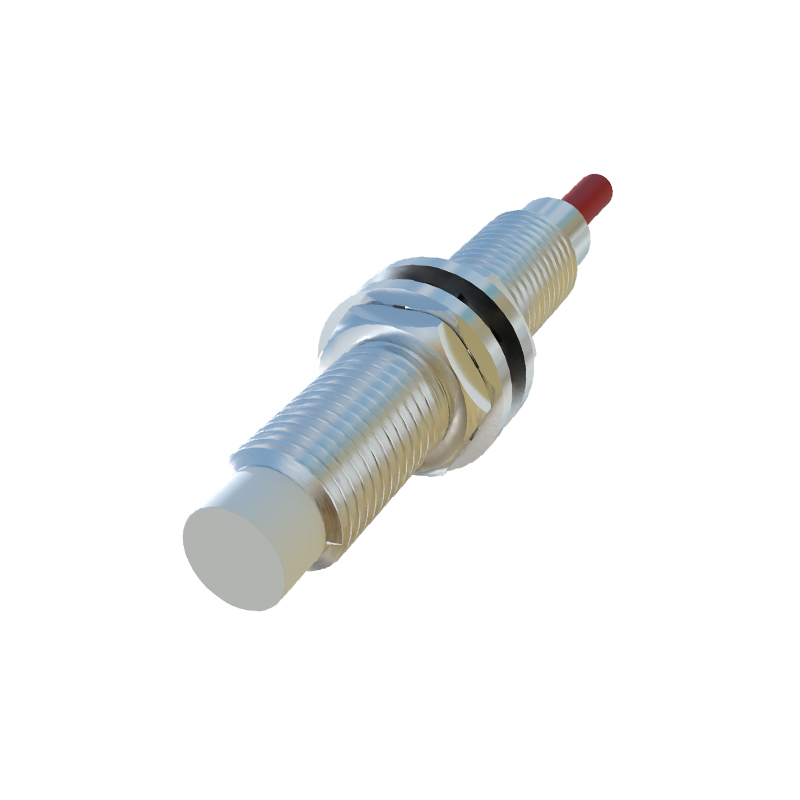
First, examine the physical construction and materials. A robust M8x1 proximity sensor typically features a solid stainless-steel housing (often AISI 303 or 304) with precise threading. The M8x1 metric thread should be clean, uniform, and free of burrs or deformities. Inspect the sensing face—it should be flat and smooth, usually made of PBT or similar durable plastic for inductive types. Check the cable or connector entry for proper strain relief; a poorly sealed entry point indicates vulnerability to moisture and dust ingress, leading to premature failure. The IP rating (e.g., IP67) should be clearly marked, and the housing should feel substantial, not lightweight or flimsy.
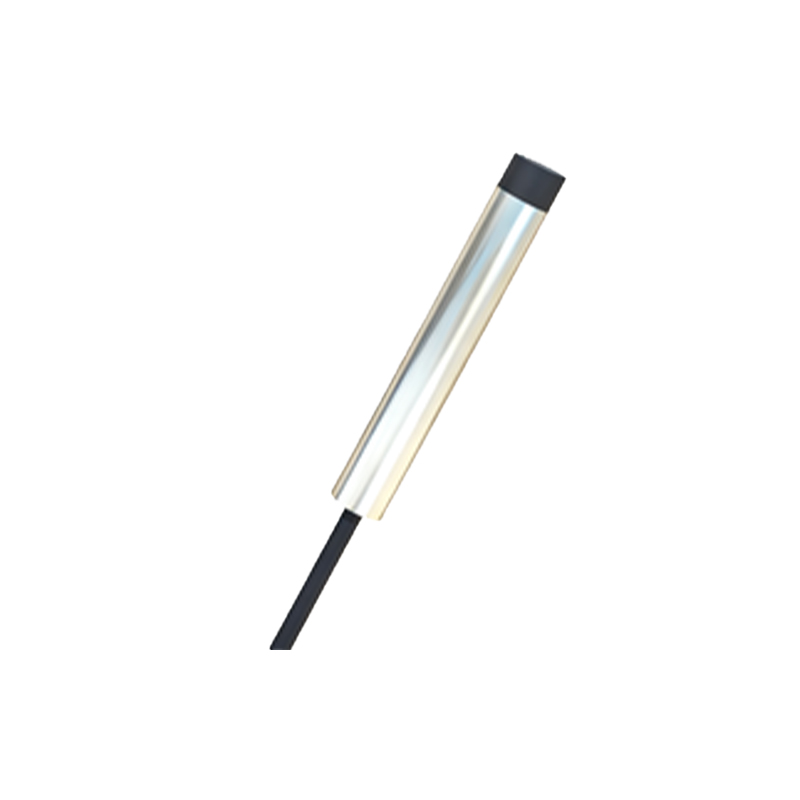
Electrical specifications are paramount. Begin by verifying the sensor’s datasheet against actual performance. Key parameters include operating voltage range (commonly 10-30V DC for DC models), output type (PNP/NPN, NO/NC), and switching current. Use a multimeter and a regulated power supply to test the sensor. Connect it to the specified voltage and observe the output state. A quality sensor will provide a stable output signal when a target (e.g., a metal object for inductive sensors) enters its sensing range. For inductive M8x1 sensors, the sensing distance should be consistent—typically up to 2mm for standard models. Test repeatability by bringing a target repeatedly to the same point; variations exceeding ±5% may indicate poor internal components.
Performance under environmental stress reveals durability. Proximity sensors often operate in harsh conditions involving temperature fluctuations, vibration, and exposure to chemicals. Evaluate temperature tolerance by testing the sensor in both low and high temperatures within its rated range (e.g., -25°C to 70°C). A good sensor maintains stable switching without signal drift. Vibration resistance can be assessed by mounting the sensor on a vibrating surface; erratic outputs suggest weak internal soldering or loose elements. Additionally, check for electromagnetic compatibility (EMC)—poor shielding may cause interference from nearby motors or frequency inverters, leading to false triggers.
Long-term reliability hinges on internal design and manufacturing consistency. While disassembly is not always feasible, indirect indicators exist. Monitor the sensor’s response time; high-quality models offer fast switching (e.g.,<1ms), ensuring accuracy in high-speed applications. Listen for audible clicks or buzzing—excessive noise may point to inferior coil winding or relay mechanisms in AC/DC versions. Also, consider the brand and certification marks (e.g., CE, UL). Reputable manufacturers adhere to strict quality control, whereas counterfeit or low-cost sensors often lack proper testing documentation.
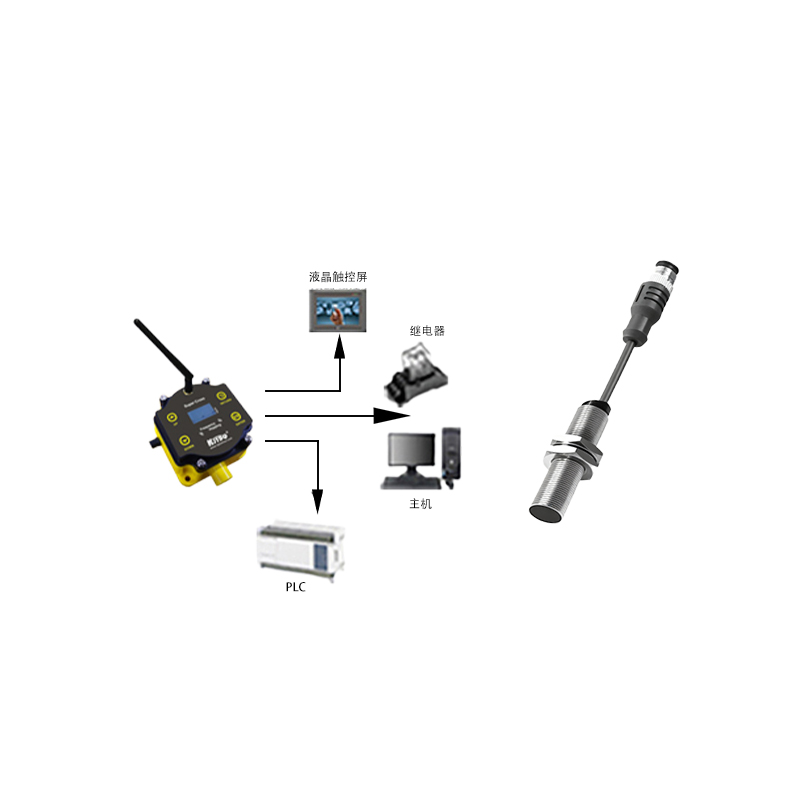
Practical field testing complements bench evaluations. Install the sensor in a real or simulated application. Observe its behavior over an extended period—look for issues like intermittent failures, reduced sensing range, or overheating. Compare multiple units from the same batch; inconsistencies in performance batch-to-batch signal poor manufacturing standards. Additionally, assess compatibility with your control system; a good sensor integrates seamlessly without requiring excessive calibration or causing PLC errors.
In summary, distinguishing a good M8x1 proximity sensor involves a multi-faceted approach: scrutinizing build quality, verifying electrical specs, testing environmental resilience, and validating long-term performance. Investing time in thorough evaluation prevents downtime and ensures operational safety. Always source sensors from trusted suppliers and prioritize documented quality over cost savings—because in automation, reliability is the ultimate metric.