In the realm of industrial automation and control systems, proximity switches are indispensable components for non-contact object detection. A common question that arises among engineers and technicians is whether a 90-degree sensing angle is normal or acceptable for these sensors. This article delves into the technical aspects, standards, and practical considerations surrounding the sensing angle of proximity switches, providing clarity for professionals in the electrical and automation industries.
Firstly, it is essential to understand what the sensing angle refers to in the context of proximity switches. The sensing angle, often described as the beam angle or detection angle, defines the angular range within which the sensor can reliably detect an object. For inductive and capacitive proximity switches, this angle is typically narrow due to their operating principles, which rely on electromagnetic fields or capacitance changes. In contrast, photoelectric proximity switches, which use light beams, may have adjustable or wider sensing angles depending on their design.
A 90-degree sensing angle is not standard for most traditional inductive proximity switches. These sensors usually have a very focused detection zone, often with a sensing angle of less than 10 degrees, ensuring precise detection directly in front of the sensor. This narrow angle minimizes false triggers from nearby objects outside the intended path. However, in specific applications, such as area monitoring or when detecting objects from a side approach, sensors with a wider sensing angle, including 90 degrees, might be utilized. For instance, some diffuse-reflective photoelectric sensors or ultrasonic proximity switches can be configured with sensing angles up to 90 degrees or more to cover broader areas.
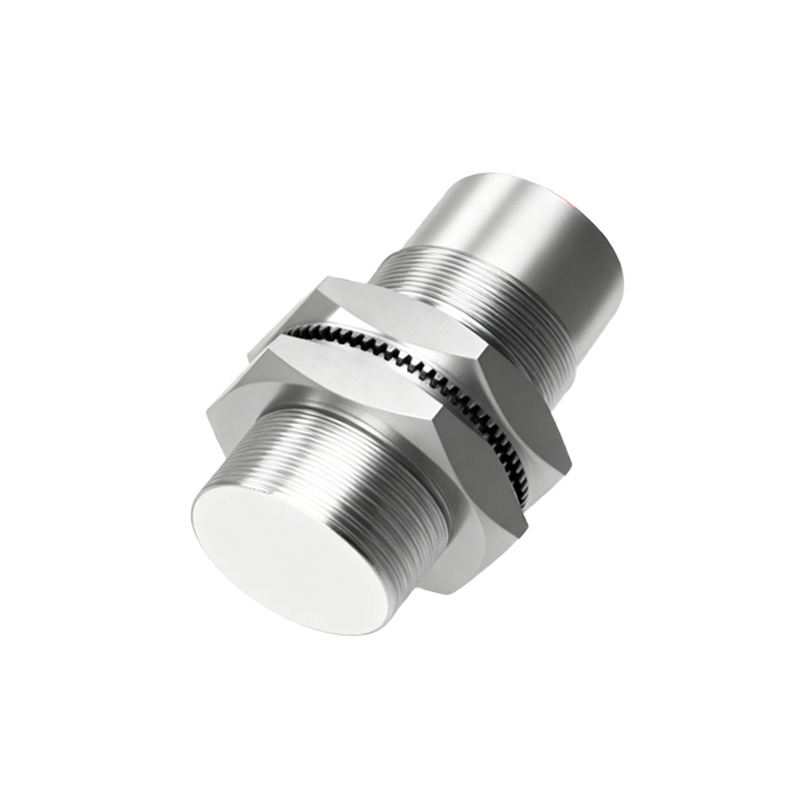
The normality of a 90-degree sensing angle depends heavily on the sensor type and its intended application. In standard datasheets and technical specifications, manufacturers clearly outline the sensing characteristics, including the effective sensing angle. For inductive proximity switches, a 90-degree angle would be atypical and could indicate a specialized model or a misunderstanding of the specifications. Engineers should always refer to the manufacturer's documentation to verify the sensing parameters. If a sensor is advertised with a 90-degree angle, it is crucial to assess whether it meets the requirements for the specific use case, such as detecting objects in a conveyor system or machinery guarding.
From a practical standpoint, using a proximity switch with a 90-degree sensing angle may introduce challenges. A wider angle can lead to reduced sensing range or increased susceptibility to interference from ambient conditions, like metal debris or reflective surfaces. In high-precision environments, such as robotic assembly lines, a narrow sensing angle is preferred to ensure accurate positioning. Conversely, in applications like parking assistance or bulk material handling, a broader angle like 90 degrees might be beneficial for covering larger zones without needing multiple sensors. Therefore, the acceptability of this angle hinges on balancing detection needs with potential drawbacks.
Industry standards, such as those from IEC (International Electrotechnical Commission) or ISO (International Organization for Standardization), do not mandate specific sensing angles for proximity switches but provide guidelines for performance and safety. Compliance with these standards ensures reliability and interoperability in industrial settings. When selecting a sensor, engineers should consider factors beyond the sensing angle, including response time, environmental ratings (e.g., IP67 for dust and water resistance), and output type (e.g., PNP or NPN). A 90-degree angle might be normal for certain photoelectric sensors aligned with standard beam patterns, but it should be validated through testing in the actual operating environment.
In conclusion, while a 90-degree sensing angle is not typical for standard inductive proximity switches, it can be normal and functional for other types like photoelectric or ultrasonic sensors. The key is to match the sensor's specifications with the application demands. Professionals in the electrical industry should prioritize consulting technical datasheets, conducting on-site trials, and adhering to best practices for sensor integration. By doing so, they can optimize system performance and avoid operational issues, ensuring that the proximity switch operates effectively within its designed parameters.