In the realm of industrial automation, general-purpose proximity sensors stand as critical components, enabling non-contact detection of objects with high reliability and precision. The production of these sensors involves a sophisticated blend of material science, electronic engineering, and stringent quality control processes. This article delves into the key stages of manufacturing general-purpose proximity sensors, highlighting industry best practices and technological advancements.
The production journey begins with the design and selection of core materials. Typically, the housing is crafted from durable plastics like PBT or metals such as stainless steel, chosen for their resistance to environmental factors like moisture, chemicals, and mechanical stress. Internally, the sensing element—often based on inductive, capacitive, or photoelectric principles—requires high-grade ferrite cores, copper coils, and semiconductor chips. For inductive sensors, which detect metallic objects, the coil winding process is automated to ensure consistent inductance values, directly impacting sensitivity and sensing range. Capacitive sensors, used for non-metallic materials, utilize specialized electrode plates made from conductive materials like silver or copper alloys, with precise spacing to control the electric field.
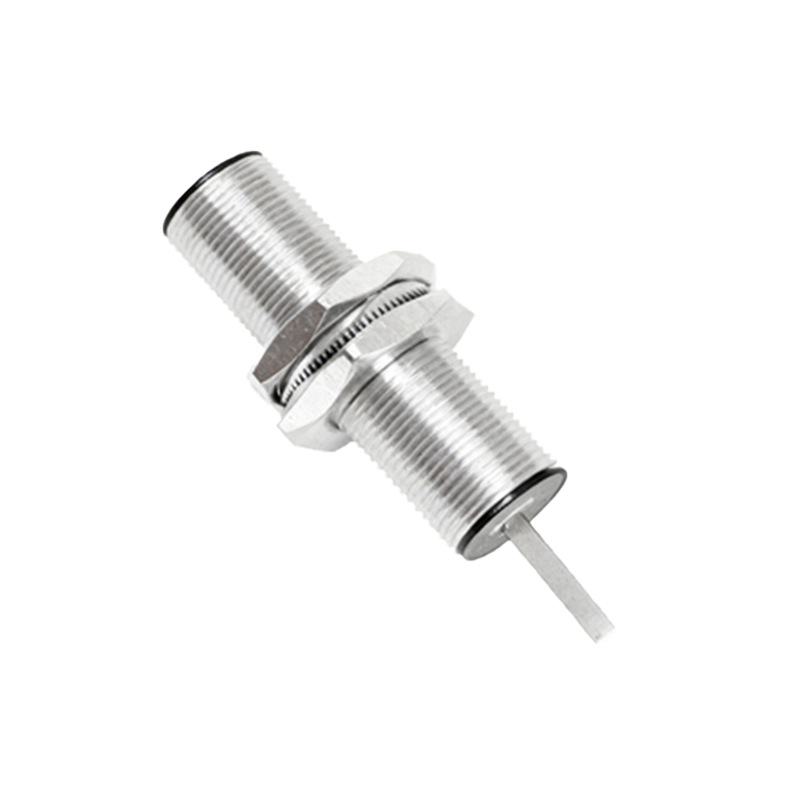
Next, the assembly phase integrates electronic components onto printed circuit boards (PCBs). Surface-mount technology (SMT) is predominantly employed for its efficiency and miniaturization benefits. Components such as oscillators, amplifiers, and output transistors are placed and soldered with robotic precision. The sensing element is then connected to the PCB, followed by encapsulation to protect against dust, vibration, and electromagnetic interference. Potting compounds, often epoxy-based, are used to seal the internal assembly, enhancing durability. For sensors with LED indicators or optical parts, clear lenses made from polycarbonate are molded and fitted to maintain optical clarity.

Calibration and testing form the most critical stage in production. Each sensor undergoes rigorous performance checks to verify parameters like switching frequency, hysteresis, and temperature tolerance. Automated test benches simulate real-world conditions, applying varying distances, target materials, and environmental stresses. For instance, inductive sensors are tested with standard metal targets (e.g., iron and aluminum) to ensure consistent detection ranges, while capacitive sensors are evaluated with liquids or plastics. Electrical safety tests, including dielectric strength and insulation resistance measurements, comply with international standards like IEC 60947-5-2. Data from these tests are logged for traceability, supporting quality assurance protocols.
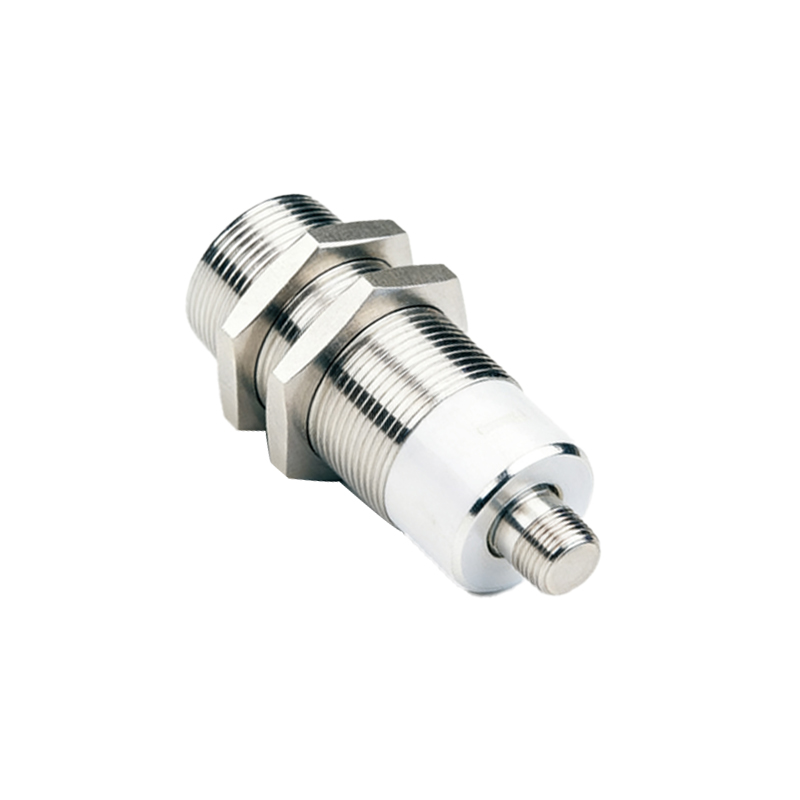
Advancements in production technology have significantly enhanced sensor capabilities. The integration of micro-electromechanical systems (MEMS) allows for smaller, more energy-efficient designs. Smart manufacturing techniques, such as Industry 4.0-enabled lines, utilize IoT connectivity for real-time monitoring of production metrics, reducing defects and optimizing throughput. Additionally, eco-friendly initiatives are gaining traction, with manufacturers adopting lead-free soldering and recyclable materials to meet RoHS and REACH regulations.
In conclusion, producing general-purpose proximity sensors demands a meticulous approach from material selection to final validation. By leveraging automation, advanced materials, and comprehensive testing, manufacturers ensure these sensors deliver robust performance in diverse applications, from conveyor systems to robotic arms. As industry demands evolve, continuous innovation in production processes will drive further improvements in accuracy, longevity, and sustainability.