In today's rapidly evolving industrial automation landscape, intelligent proximity sensors have become indispensable components, enabling precise detection, enhanced safety, and optimized operational efficiency. These advanced sensors utilize technologies such as inductive, capacitive, ultrasonic, and photoelectric principles to detect the presence or absence of objects without physical contact. As demand surges across manufacturing, automotive, packaging, and material handling sectors, selecting a reliable intelligent proximity sensor supplier is critical for ensuring system integrity and performance.
Leading suppliers in this domain distinguish themselves through innovation, quality assurance, and comprehensive support. Companies like Siemens, Omron, Rockwell Automation, and Pepperl+Fuchs have established robust portfolios featuring sensors with integrated IoT capabilities, self-diagnostic functions, and robust communication protocols like IO-Link. These sensors not only provide real-time data but also facilitate predictive maintenance, reducing downtime and operational costs. For instance, modern intelligent proximity sensors can monitor their own health, alerting operators to potential failures before they occur, thereby enhancing overall equipment effectiveness (OEE).
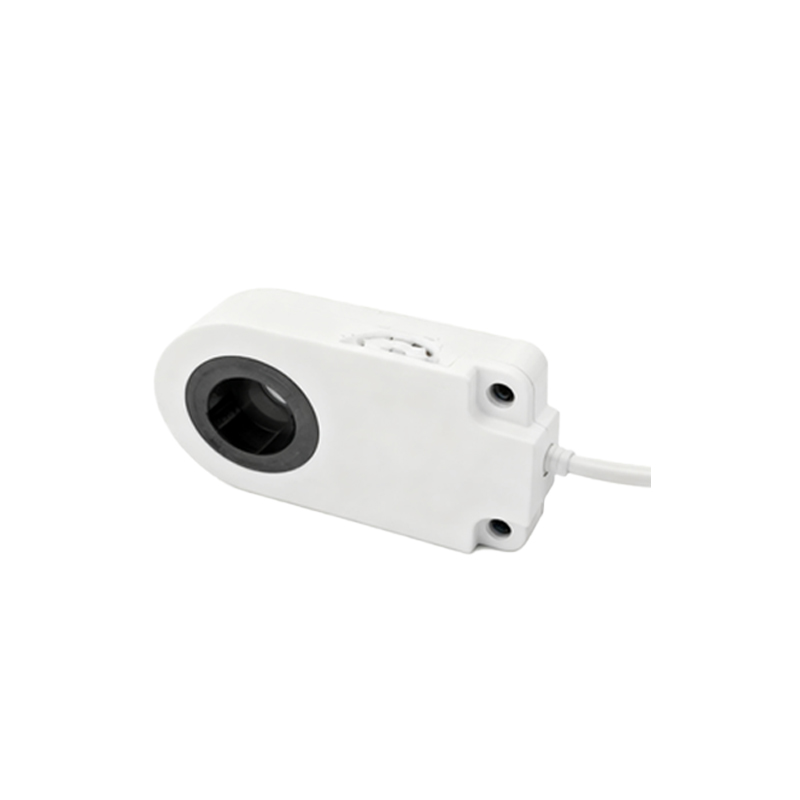
When evaluating suppliers, several factors come into play. Technical expertise is paramount; top suppliers invest heavily in R&D to develop sensors that operate reliably in harsh environments, resisting factors like extreme temperatures, moisture, and electromagnetic interference. Customization options are also vital, as industrial applications vary widely—from detecting metallic objects in automotive assembly lines to sensing transparent materials in pharmaceutical packaging. Additionally, global supply chain resilience and after-sales support, including training and troubleshooting, are key considerations. Suppliers with a strong distribution network ensure timely delivery and local assistance, which is crucial for maintaining continuous production flows.
The integration of Industry 4.0 principles has further propelled the evolution of intelligent proximity sensors. Smart sensors now feature embedded intelligence that allows for data preprocessing at the edge, reducing the load on central control systems and enabling faster response times. This aligns with trends toward decentralized automation and digital twin implementations, where sensor data feeds into virtual models for simulation and optimization. Suppliers that offer seamless compatibility with industrial IoT platforms, such as Siemens MindSphere or Rockwell FactoryTalk, provide added value by enabling data-driven decision-making and enhanced visibility across operations.
Despite advancements, challenges persist, including cost pressures and the need for interoperability among diverse devices. Leading suppliers address these by offering scalable solutions and adhering to international standards like IEC 60947-5-2. Moreover, sustainability considerations are gaining traction, with suppliers focusing on energy-efficient designs and recyclable materials to meet environmental regulations.
In conclusion, the market for intelligent proximity sensor suppliers is dynamic and competitive, driven by technological innovation and industrial demand. By partnering with reputable suppliers that prioritize quality, innovation, and support, businesses can leverage these sensors to achieve higher automation levels, improve safety, and boost productivity. As industries continue to embrace smart manufacturing, the role of intelligent proximity sensors will only expand, making supplier selection a strategic decision for long-term success.