Proximity sensors have become indispensable components in modern industrial automation, offering non-contact detection capabilities that enhance efficiency, reliability, and safety. These devices detect the presence or absence of objects within a specified range without physical contact, utilizing various technologies such as inductive, capacitive, ultrasonic, and photoelectric principles. Understanding their advantages and disadvantages is crucial for engineers and system designers to select the appropriate sensor for specific applications, ensuring optimal performance and cost-effectiveness.
One of the primary advantages of proximity sensors is their non-contact operation. Since they do not require physical touch to detect objects, they eliminate mechanical wear and tear, significantly extending their operational lifespan compared to mechanical switches. This feature is particularly beneficial in high-speed production lines where frequent contact would lead to rapid degradation. Additionally, the absence of moving parts reduces maintenance requirements and minimizes downtime, contributing to higher overall equipment effectiveness (OEE). Proximity sensors also excel in harsh environments, as many models are designed with robust housings that resist dust, moisture, vibrations, and extreme temperatures. For instance, inductive sensors are ideal for metallic object detection in dirty or wet conditions, while capacitive sensors can handle non-metallic materials like plastics or liquids.
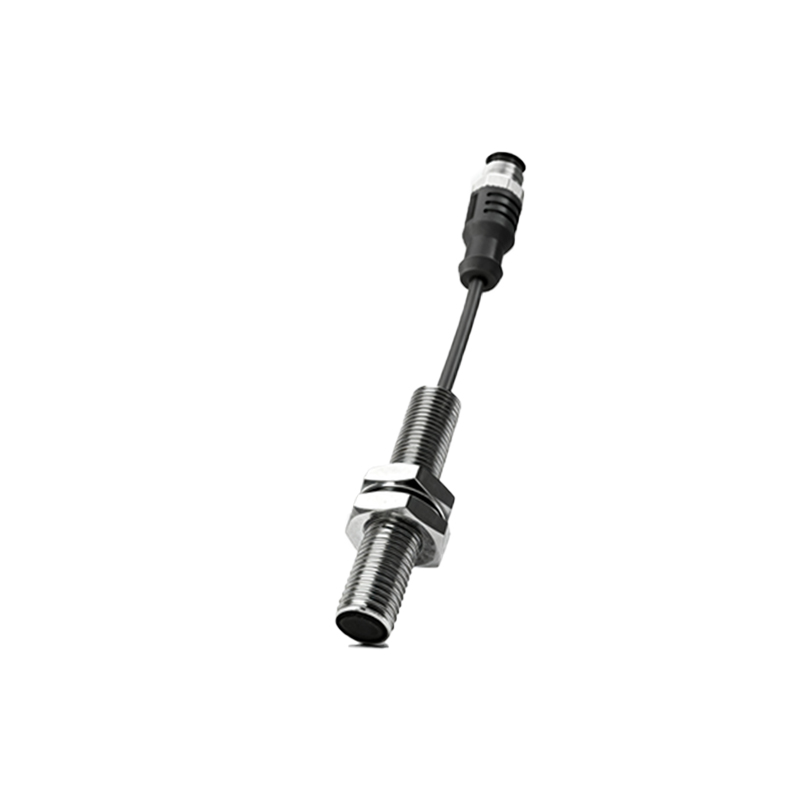
Another significant advantage is the high precision and repeatability offered by proximity sensors. They provide accurate detection with minimal error margins, enabling consistent performance in critical applications such as positioning, counting, or quality control. Their fast response times—often in the microsecond range—allow for real-time monitoring and control in dynamic processes, enhancing system responsiveness. Moreover, these sensors are versatile and can be integrated into diverse systems, from simple conveyor belts to complex robotic assemblies, without extensive modifications. Energy efficiency is also a notable benefit, as many modern proximity sensors consume low power, aligning with sustainable industrial practices.
However, proximity sensors are not without limitations. One key disadvantage is their sensitivity to environmental factors. For example, inductive sensors may malfunction if exposed to strong electromagnetic interference (EMI) from nearby machinery, while capacitive sensors can be affected by changes in humidity or material composition. Ultrasonic sensors might struggle in environments with excessive noise or air turbulence, leading to false readings. Additionally, the detection range of proximity sensors is often limited, requiring careful placement to ensure reliable operation. Some technologies, like photoelectric sensors, may also be hindered by opaque or highly reflective surfaces, necessitating adjustments or alternative solutions.
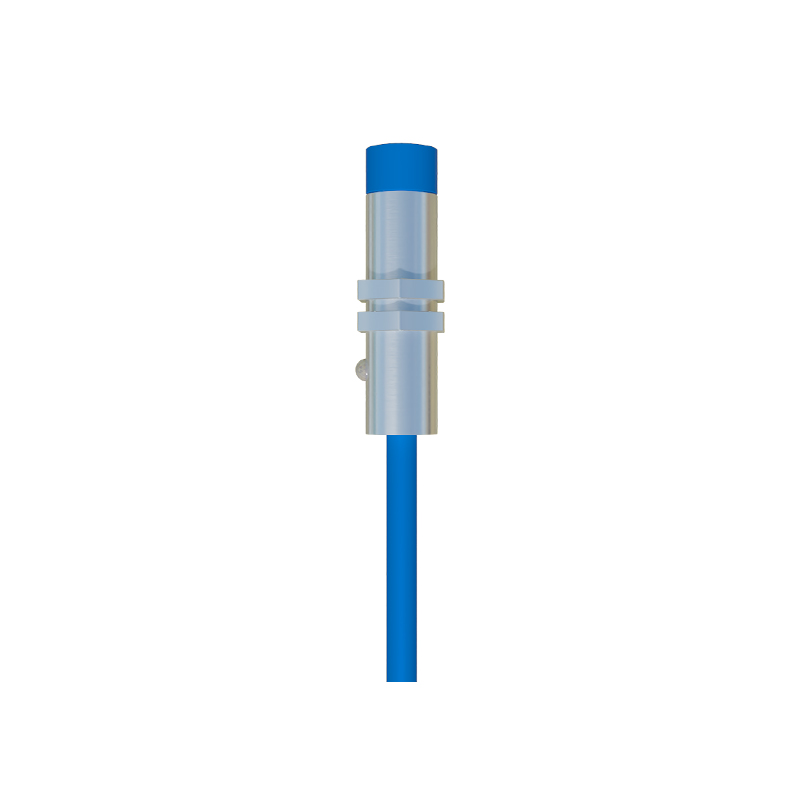
Cost considerations present another drawback. High-precision or specialized proximity sensors, such as those with extended ranges or enhanced durability, can be expensive, impacting project budgets. Installation and calibration may require technical expertise, adding to initial setup costs and time. Furthermore, compatibility issues can arise when integrating sensors from different manufacturers into a unified system, potentially leading to communication errors or reduced functionality. In some cases, the need for periodic recalibration or cleaning—especially in dusty or greasy settings—can increase long-term maintenance efforts.
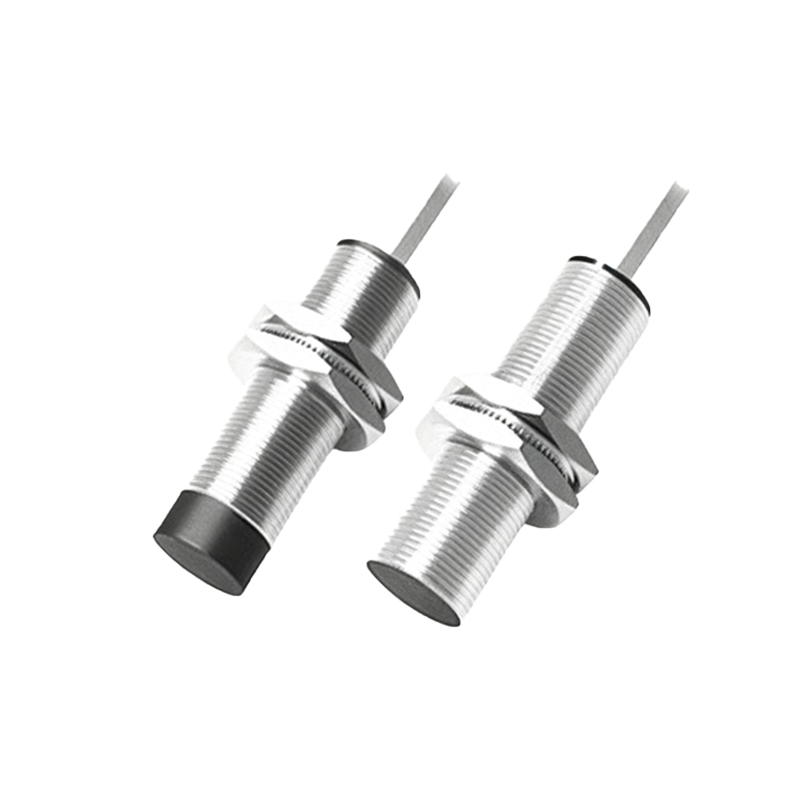
Despite these challenges, the advantages of proximity sensors often outweigh the disadvantages when selected and applied correctly. Engineers must conduct thorough assessments of operational conditions, material properties, and performance requirements to mitigate potential issues. For instance, shielding can be used to protect sensors from EMI, while regular maintenance schedules can prevent contamination-related failures. As technology advances, innovations like smart sensors with self-diagnostic capabilities and IoT connectivity are addressing traditional limitations, offering enhanced adaptability and data insights.
In conclusion, proximity sensors play a vital role in industrial automation by providing reliable, non-contact detection. Their benefits—including durability, precision, and versatility—make them valuable assets in optimizing processes. However, awareness of their drawbacks, such as environmental sensitivity and cost, is essential for effective implementation. By leveraging appropriate technologies and best practices, industries can harness the full potential of proximity sensors to drive efficiency and innovation in an increasingly automated world.