In the realm of industrial automation and precision measurement, laser speed sensors have emerged as a critical tool for non-contact velocity and length measurement. Their accuracy is paramount, influencing everything from quality control in manufacturing to research and development in high-tech fields. This article delves into the technical factors defining laser speed sensor accuracy, its practical implications, and best practices for optimization.
At its core, a laser speed sensor operates on the principle of laser Doppler velocimetry (LDV) or, in some configurations, time-of-flight correlation. The most common type for industrial surface speed measurement is the Laser Surface Velocimeter (LSV). It projects a laser beam onto a moving surface. The light scattered back from microscopic surface irregularities creates a speckle pattern with a frequency shift proportional to the surface velocity. This signal is processed to calculate speed with exceptional resolution.
The stated accuracy of a laser sensor is not a single number but a combination of several performance metrics:
1. Linearity Error: This indicates the maximum deviation of the sensor's output from a perfectly linear response across its entire measuring range. High-quality sensors achieve linearity errors as low as ±0.05% of the measured value.

2. Resolution: This is the smallest speed change the sensor can detect. It is often dependent on the signal quality, measurement time, and surface properties. Modern sensors can resolve speed differences down to 0.001 mm/s.
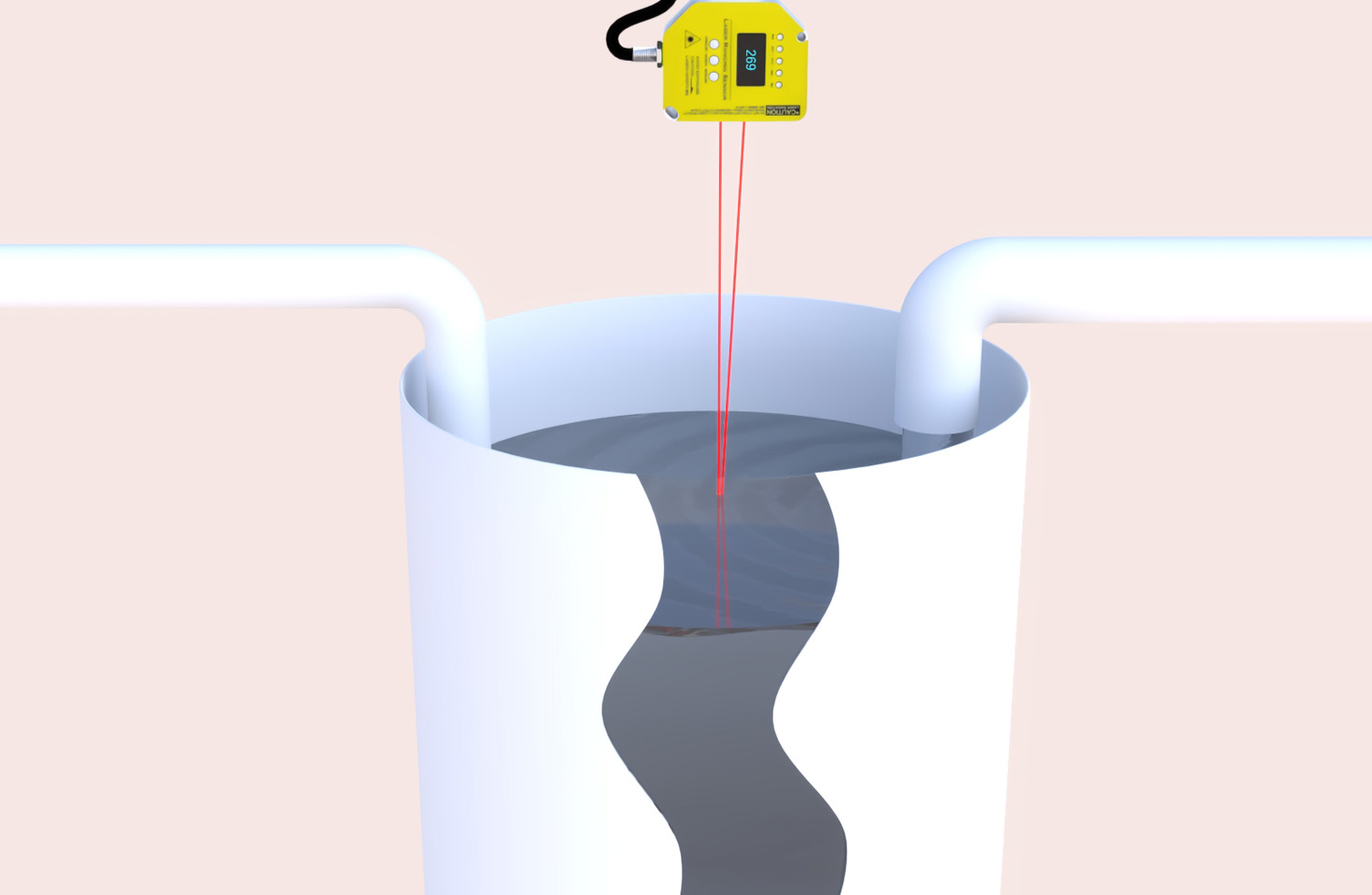
3. Repeatability: The ability of the sensor to produce the same reading under identical conditions. This is crucial for process stability.
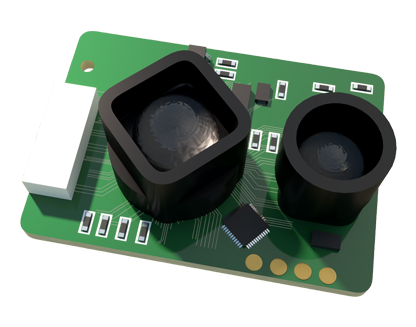
4. Measurement Rate (Update Frequency): The speed at which the sensor outputs new data points. A high update rate (up to 10 kHz or more) is essential for capturing rapid speed fluctuations.
Several external and internal factors directly challenge and influence these accuracy parameters:
* Target Surface Properties: This is the most significant variable. Ideal surfaces are matte, lightly textured, and opaque (e.g., paper, uncoated metal, rubber). Highly reflective, transparent, or glossy surfaces (e.g., polished steel, glass, foil) can cause signal dropout or distortion, degrading accuracy. Some advanced sensors employ specialized optics and algorithms to handle difficult surfaces.
* Environmental Conditions: Airborne contaminants like dust, oil mist, or steam can scatter or attenuate the laser beam. Vibration from machinery can introduce optical misalignment. Temperature fluctuations may affect electronic components. Selecting sensors with appropriate ingress protection (IP) ratings and stable thermal designs is critical.
* Sensor Alignment and Mounting: The laser beam must be perpendicular to the direction of motion. Any angular deviation (cosine error) will result in a measured speed lower than the true surface speed. Secure, vibration-damped mounting is essential.
* Signal Processing Electronics: The quality of the photodetector, the speed of the analog-to-digital converter, and the sophistication of the digital signal processing (DSP) algorithms are fundamental. Advanced DSP can filter out noise and maintain a stable signal even under suboptimal conditions.
In practical applications, accuracy translates directly to value. In web processing industries (paper, plastic, textiles, metals), a 0.1% accuracy improvement in speed measurement can lead to significant material savings and reduction in waste by enabling precise length cutting and tension control. In printing and coating, it ensures consistent product quality. In automotive testing, it allows for precise validation of tire slip or belt drive performance.
To maximize laser speed sensor accuracy in the field, engineers should:
1. Conduct a Surface Test: Always evaluate the sensor on the actual target material before final installation. Many manufacturers offer evaluation units for this purpose.
2. Ensure Optimal Installation: Use precision mounting hardware, ensure perpendicularity, and maintain the recommended stand-off distance. Utilize built-in alignment aids if available.
3. Minimize Environmental Interference: Install protective air purges or housings in dirty environments and use protective windows designed for the laser wavelength.
4. Leverage Advanced Features: Utilize features like dual-beam configuration (which cancels out common-mode vibrations), adjustable measurement gates, and configurable analog/digital filters.
5. Implement Regular Calibration: Follow the manufacturer's guidelines for periodic verification against a traceable standard, such as a calibrated encoder on a test wheel.
In conclusion, the accuracy of a laser speed sensor is a system property, not just a sensor specification. It results from the intricate interplay between advanced optical engineering, robust signal processing, and careful application engineering. By understanding the underlying principles and influential factors, engineers can select the right sensor, install it correctly, and harness its full potential to achieve unprecedented levels of process control, efficiency, and quality in demanding industrial environments. The ongoing evolution in laser diode technology, DSP power, and intelligent software continues to push the boundaries of what is measurable, making laser speed sensors an indispensable asset for precision-driven industries.