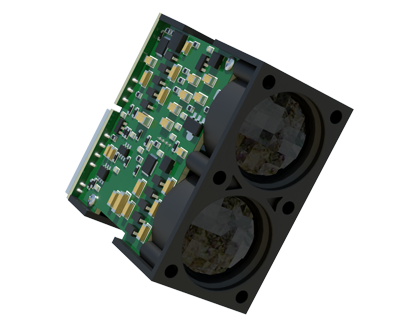
Selecting the optimal laser edge detection sensor, often referred to as a laser web guide sensor or laser edge sensor, is a critical decision in industrial automation. These sensors are pivotal for ensuring precise material alignment in continuous process lines such as printing, converting, textiles, and nonwovens. An incorrect choice can lead to material waste, production downtime, and compromised product quality. This guide outlines the key technical parameters and application considerations to inform your selection process.
The core principle of a laser edge sensor involves projecting a focused laser line onto the material's edge. A high-resolution receiver, typically a CMOS or CCD array, detects the transition between the material and the background. The sensor's internal processor calculates the exact edge position based on the light intensity profile. This non-contact measurement offers significant advantages over mechanical followers, including no wear, higher speed capability, and insensitivity to material tension variations.
The first and foremost consideration is the material characteristics. Reflectivity is paramount. For highly reflective materials like glossy paper, foil, or certain plastics, a sensor with a red or infrared laser and automatic gain control is essential to prevent signal saturation. For dark, matte, or absorbent materials like carbon fiber or black rubber, a high-power laser or a specific wavelength (sometimes blue laser for certain dark materials) may be required to achieve a sufficient contrast ratio. Material transparency, such as with thin films, presents a unique challenge. Here, a sensor with a background suppression feature or a retro-reflective mode, which uses a separate reflector behind the material, is necessary to detect the edge reliably.
The required measurement range and resolution are equally critical. The measurement range defines the maximum lateral movement of the material edge the sensor can track. It is vital to select a range that accommodates not just normal drift but also the initial threading position. Resolution, often specified in micrometers, determines the smallest detectable edge movement. High-precision applications like capacitor foil alignment demand sub-micron resolution, while broader web guiding for textiles may only require millimeter-level accuracy. Remember, higher resolution often comes with a trade-off in measurement speed or cost.
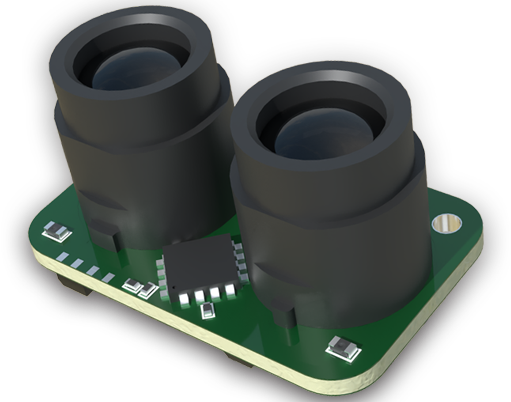
Environmental factors heavily influence sensor choice. Industrial environments are rife with ambient light interference from factory lighting or nearby processes. Sensors with modulated laser light and synchronous detection circuits effectively filter out this constant ambient light. Dust, steam, and oil mist can attenuate the laser beam. Look for sensors with high ingress protection ratings (e.g., IP67) and, if necessary, consider models with an air purge interface to keep the optical window clean. Vibration is another concern; a robust mechanical housing and stable mounting are non-negotiable for consistent performance.
The output interface and integration capability must align with your control system. Most modern laser edge sensors provide analog outputs (e.g., 4-20 mA, ±10 V) proportional to the edge position. Digital interfaces like RS-485, Ethernet/IP, or PROFINET are becoming standard, enabling faster data transmission, parameter setting via software, and integration into Industrial IoT networks. Evaluate the setup software provided by the manufacturer; an intuitive interface for configuring parameters like response time, filtering, and output scaling drastically reduces commissioning time.
Finally, consider the mechanical form factor and mounting constraints. Sensors are available in compact, low-profile designs for space-limited installations or in ruggedized housings for harsh environments. The mounting bracket should allow for precise adjustment in multiple axes to align the laser line perfectly perpendicular to the material path. Additionally, assess the long-term reliability, mean time between failures (MTBF) data, and the manufacturer's technical support and global service network.
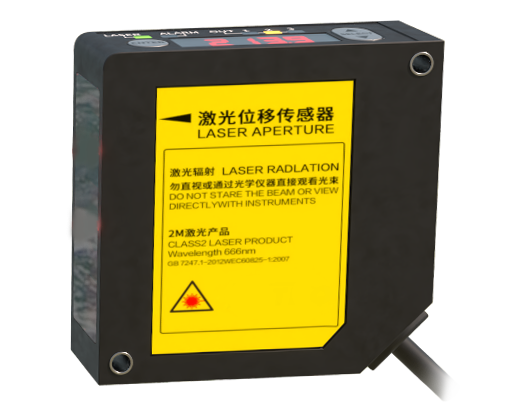
In conclusion, a methodical approach to laser edge sensor selection involves a thorough analysis of the material, required performance, operating environment, and system integration needs. There is no universal solution. Consulting with application engineers from reputable sensor manufacturers, and when possible, conducting a material test with a sample or a demo unit under real production conditions, is the most reliable path to ensuring optimal guiding performance, maximizing throughput, and minimizing operational costs.