In the demanding world of industrial automation, the reliability and longevity of components are paramount. Proximity sensors, essential for detecting the presence or absence of objects without physical contact, are no exception. When operations run 24/7 in harsh environments—subject to extreme temperatures, moisture, vibration, and chemical exposure—only the most durable brands can ensure consistent performance and minimize costly downtime. This article explores leading brands renowned for manufacturing rugged and long-lasting proximity sensors, highlighting their key technologies and typical application scenarios.
First and foremost, Sick AG stands as a titan in sensor technology. Their inductive, capacitive, and magnetic proximity sensors are engineered for resilience. Sick's proprietary ASIC technology and robust housing designs, often featuring stainless steel or high-grade plastics with IP67, IP68, and IP69K ratings, make them ideal for automotive manufacturing, packaging, and material handling. Models like the IM series are celebrated for their exceptional resistance to welding fields and mechanical stress.
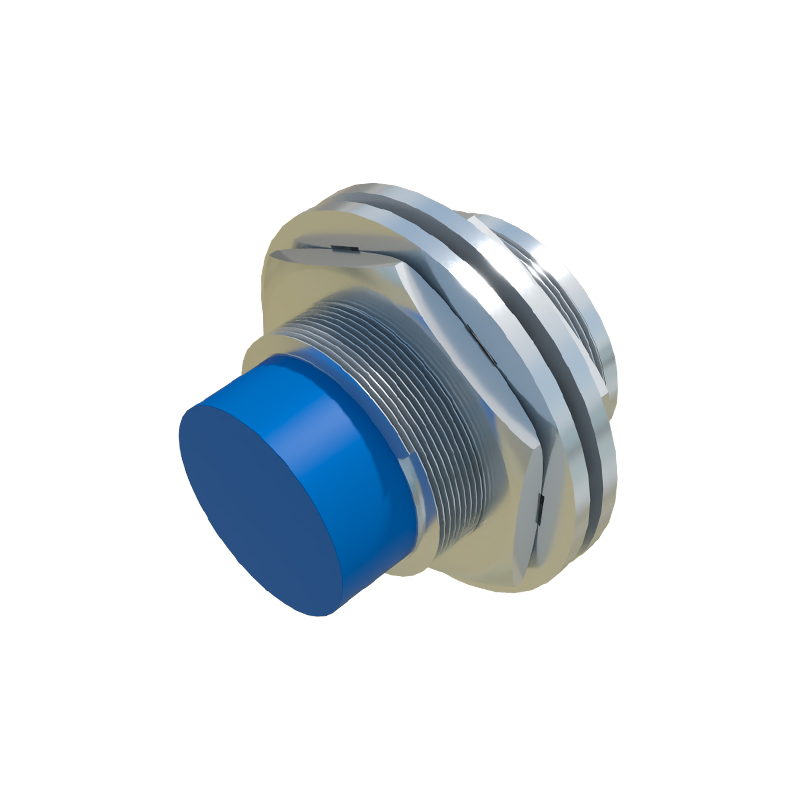
Another powerhouse is Pepperl+Fuchs. With decades of specialization in factory automation, their sensor portfolio is synonymous with durability. They excel in creating sensors for the most challenging conditions, including heavy-duty metal sensing in machining centers and washdown applications in the food and beverage industry. Their "Factor 1" sensors, for instance, offer unparalleled switching distance accuracy and are housed in corrosion-resistant materials, ensuring stable operation despite temperature fluctuations and aggressive cleaning agents.
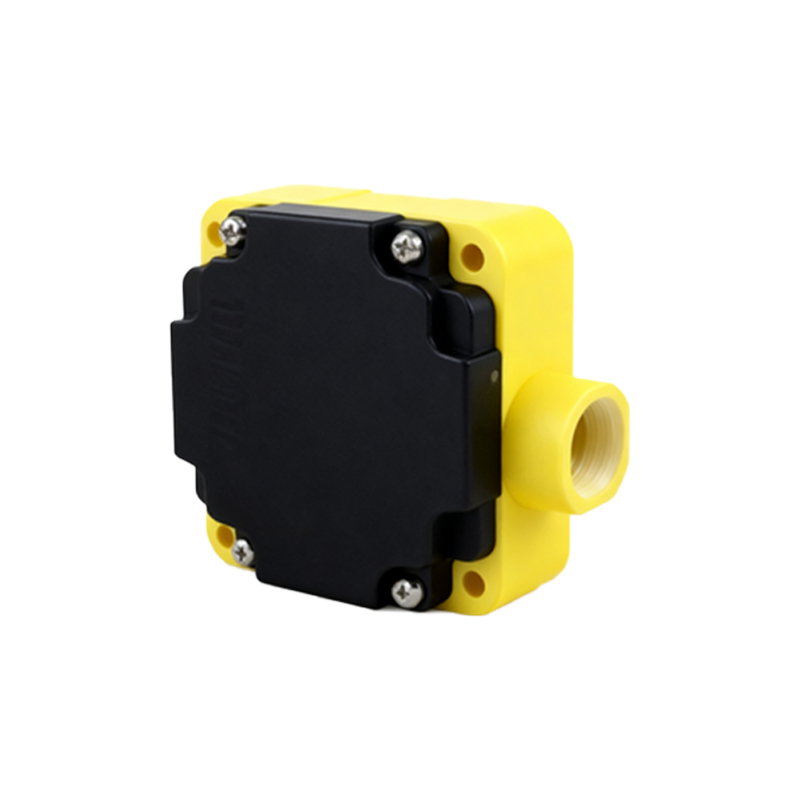
Omron Corporation is a globally recognized name offering a vast array of proximity sensors. Omron's focus on precision engineering results in products with excellent noise immunity and thermal stability. Their E2E and E2A series are workhorses in assembly lines and robotic cells, known for their all-metal construction and ability to withstand strong electromagnetic interference. Omron also provides extensive customization options, allowing for tailored solutions in specific harsh environments.
Balluff GmbH deserves special mention for its innovative and robust sensor solutions. Balluff sensors frequently incorporate IO-Link communication for advanced diagnostics, which aids in predictive maintenance—a key factor in extending operational life. Their BALLUFFprox series, with hardened sensing faces and high-temperature variants, is particularly favored in metalworking, wood processing, and injection molding machines where physical abrasion and heat are constant threats.
Rockwell Automation (Allen-Bradley) offers proximity sensors built to integrate seamlessly into their control systems. Designed for high-cycle applications, these sensors feature durable epoxy-potted electronics and robust threaded barrels. They are a staple in North American heavy industries like mining, oil & gas, and pulp & paper, where shock, vibration, and environmental contaminants are everyday challenges.
IFM Electronic rounds out this list with its user-centric, durable designs. IFM sensors are known for their simplicity and robustness, often featuring LED status indicators for easy monitoring. Their efector series provides reliable performance in hydraulic units, mobile equipment, and intralogistics, with models specifically designed to resist cutting fluids, coolants, and continuous mechanical impact.
Selecting the right brand involves evaluating specific application demands. Key durability factors include housing material (e.g., nickel-plated brass, stainless steel), ingress protection (IP) rating, temperature range, electrical protection (short-circuit and reverse polarity), and resistance to specific chemicals or welding spatter. A sensor from Sick or Pepperl+Fuchs might be optimal for an ultra-harsh, wet environment, while Omron or Balluff could be the preferred choice for high-precision, high-cycle machining.
In conclusion, investing in proximity sensors from these established, engineering-driven brands—Sick, Pepperl+Fuchs, Omron, Balluff, Rockwell Automation, and IFM—provides a foundation for resilient automation systems. Their commitment to quality materials, advanced sealing technologies, and rigorous testing translates into sensors that not only survive but thrive under pressure, delivering long-term value through reduced maintenance and enhanced operational reliability.