In the realm of modern aviation, the ARJ21 regional jet represents a significant achievement in aircraft design and manufacturing. Among its numerous sophisticated systems, the door proximity sensor plays a critical role in ensuring operational safety and efficiency. This article delves into the technology, functionality, and importance of proximity sensors used in ARJ21 cabin doors, highlighting their contribution to aviation safety standards.
Proximity sensors in the ARJ21 are primarily non-contact devices designed to detect the presence or position of cabin doors during various flight phases. These sensors operate on electromagnetic or capacitive principles, offering high reliability without physical wear. Typically installed near door frames and mechanisms, they monitor door status—whether fully closed, locked, or ajar—and transmit real-time data to the aircraft's central monitoring system. This continuous feedback is essential for pre-flight checks, in-flight safety, and post-landing procedures, preventing incidents related to improperly secured doors.
The ARJ21 utilizes advanced inductive proximity sensors capable of withstanding harsh environmental conditions, including temperature extremes, vibration, and electromagnetic interference. These sensors are engineered for precision, with minimal false triggers, ensuring that door status alerts are accurate. In the ARJ21's design, sensor integration aligns with fail-safe protocols; if a sensor detects an anomaly, such as a door not sealing correctly, it triggers cockpit warnings and can inhibit certain aircraft functions until resolved. This redundancy enhances safety, particularly during critical phases like takeoff and landing.
From a technical perspective, the ARJ21 door proximity sensors feature robust housing materials, often stainless steel or ruggedized polymers, to resist corrosion and mechanical stress. Their output signals are compatible with the aircraft's avionics, facilitating seamless communication with flight control computers. Maintenance protocols emphasize regular calibration and testing to uphold sensor accuracy, as outlined in ARJ21 technical manuals. Engineers prioritize these sensors in safety assessments, given their direct impact on cabin pressure integrity and emergency evacuation readiness.
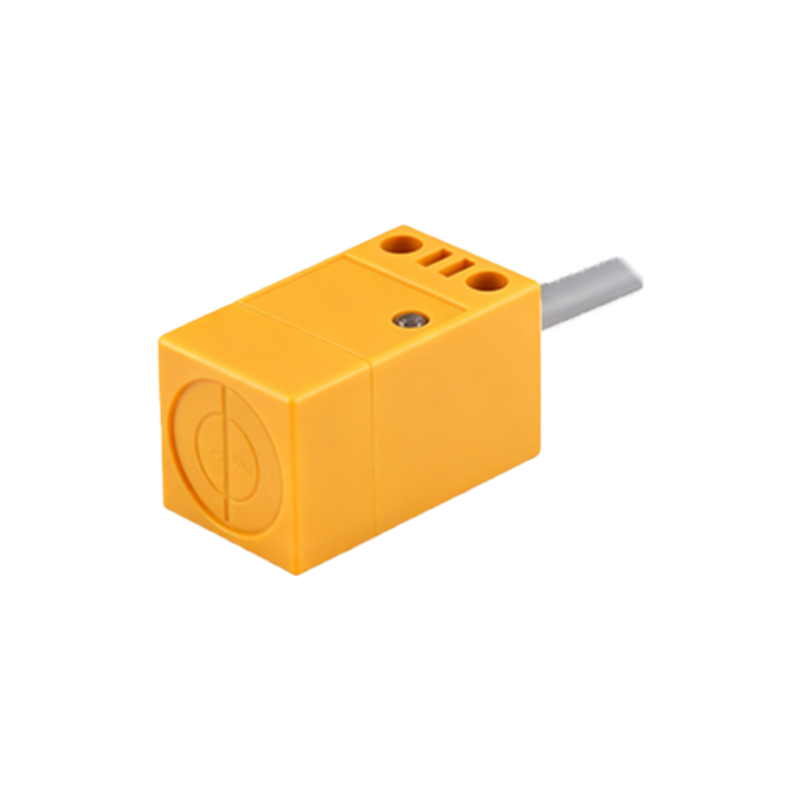
In practice, the application of proximity sensors in the ARJ21 extends beyond basic door monitoring. They contribute to automated systems, such as enabling or disabling cabin lighting and air conditioning based on door status, optimizing energy use and passenger comfort. Furthermore, in emergency scenarios, sensor data assists crew in quick decision-making, such as during evacuations where door positioning is crucial. The ARJ21's design incorporates multiple sensors per door for redundancy, ensuring that a single sensor failure does not compromise overall safety.
Industry standards, including those from FAA and EASA, mandate rigorous testing for proximity sensors in aircraft like the ARJ21. Compliance involves endurance tests, signal accuracy verification, and electromagnetic compatibility checks. The ARJ21's sensors meet these global benchmarks, reflecting China's advancements in aerospace technology. As aviation evolves, future iterations may see enhanced sensors with IoT connectivity for predictive maintenance, reducing downtime and improving reliability.
Overall, the door proximity sensor in the ARJ21 is a vital component that underscores the integration of precision engineering and safety in modern aircraft. Its role in monitoring door integrity not only aligns with regulatory requirements but also builds trust among operators and passengers. For aviation professionals, understanding these sensors' operation and maintenance is key to upholding the ARJ21's reputation for safety and performance in regional aviation markets.