In the rapidly evolving landscape of industrial automation, line laser sensors have emerged as a cornerstone technology for precision measurement, inspection, and guidance. These sensors project a thin, sharp line of laser light onto a target surface, and by analyzing the deformation or position of this line with a camera or receiver, they can extract highly accurate 2D or 3D profile data. This capability is indispensable in applications ranging from robotic guidance and weld seam tracking to quality control on assembly lines and reverse engineering. Selecting the right manufacturer is therefore a critical decision for engineers and system integrators, impacting system performance, reliability, and total cost of ownership.
The market for line laser sensors is populated by a diverse array of manufacturers, each with distinct strengths and specializations. Leading global players often set the benchmark for performance and innovation. Companies like Keyence, Omron, and SICK AG have established formidable reputations. Keyence is renowned for its high-precision, user-friendly sensors with exceptional software support, making them a preferred choice for demanding inspection tasks in electronics and semiconductor manufacturing. Omron offers robust and versatile sensors that excel in harsh industrial environments, frequently integrating advanced functionalities for ease of setup. SICK AG provides a comprehensive portfolio, including sophisticated profile sensors that are industry staples for logistics, automotive, and material handling applications, known for their durability and advanced evaluation algorithms.
Beyond these giants, several specialized manufacturers offer compelling solutions. LMI Technologies (now part of TKH Group) is a powerhouse in 3D scanning, with its Gocator line laser sensors being synonymous with fast, accurate, and flexible profile measurement for factory automation. Cognex, while famous for its vision systems, also offers high-performance line laser sensors under its 3D vision products, providing seamless integration with its extensive machine vision ecosystem. Micro-Epsilon, a German precision specialist, manufactures line laser sensors with sub-micrometer resolution, catering to ultra-high-accuracy metrology and R&D applications where minute details are paramount.
European manufacturers like Baumer and wenglor sensoric are also key contributors. Baumer emphasizes innovation in sensor technology and connectivity, offering line lasers with integrated IO-Link for smart factory communication. wenglor is noted for its application-specific solutions and strong customer support in niche markets. From North America, companies like Banner Engineering provide reliable and cost-effective sensors that balance performance with value, suitable for a wide range of standard automation tasks.
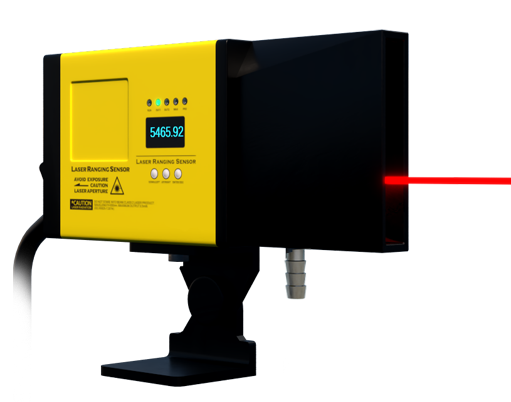
When evaluating a line laser sensor manufacturer, several technical and commercial factors must be weighed. Performance specifications such as measurement range, resolution, repeatability, and scanning frequency are fundamental. The laser class (safety rating), environmental protection (IP rating), and resistance to ambient light or vibration are crucial for reliable operation in real-world plants. Equally important is the software ecosystem. Manufacturers that provide intuitive, powerful software for sensor configuration, data visualization, and result analysis significantly reduce integration time and complexity. Support for standard industrial protocols (Ethernet/IP, PROFINET, EtherCAT) and programmability (e.g., via SDKs) is essential for system integration.
Furthermore, consider the manufacturer's application expertise and technical support network. A supplier with deep experience in your specific industry—be it automotive body-in-white inspection, food package dimensioning, or lumber profiling—can provide invaluable guidance. Access to responsive local engineering support for installation, troubleshooting, and optimization is a significant advantage that mitigates project risk.
The future trajectory for line laser sensor manufacturers points towards greater intelligence and integration. Trends include the development of sensors with embedded AI capabilities for on-sensor decision-making, reducing the load on central controllers. Enhanced connectivity for Industry 4.0 data streams and the miniaturization of sensors for integration into compact robotic end-effectors are also key focus areas. Manufacturers investing in these advancements are positioning themselves to lead the next wave of smart automation.
In conclusion, the choice of a line laser sensor manufacturer is a strategic one that extends beyond a simple component purchase. It involves partnering with a technology provider whose product performance, software intelligence, industry knowledge, and support structure align with your application's specific demands and long-term operational goals. By thoroughly assessing the offerings from the established leaders and specialized innovators highlighted here, engineering professionals can make informed decisions that enhance the capability, efficiency, and intelligence of their automated systems.