In the realm of industrial automation, proximity switch sensors are indispensable components for detecting the presence or absence of objects without physical contact. Among the various design features, the side hole configuration in these sensors plays a critical role in enhancing functionality and adaptability. This article delves into the significance of side hole images for proximity switch sensors, exploring their applications, benefits, and key considerations for engineers and technicians.
Proximity switch sensors with side holes are engineered to facilitate easier installation and alignment in complex machinery setups. The side hole, typically visible in detailed product images, allows for mounting in tight spaces where traditional top-mounted sensors might not fit. For instance, in conveyor systems or robotic arms, the side hole enables horizontal or angled positioning, ensuring optimal detection ranges. High-quality images of these holes provide clarity on dimensions, threading specifications, and material composition, aiding in precise integration. Engineers rely on such visuals to verify compatibility with existing hardware, reducing the risk of misalignment or operational failures.
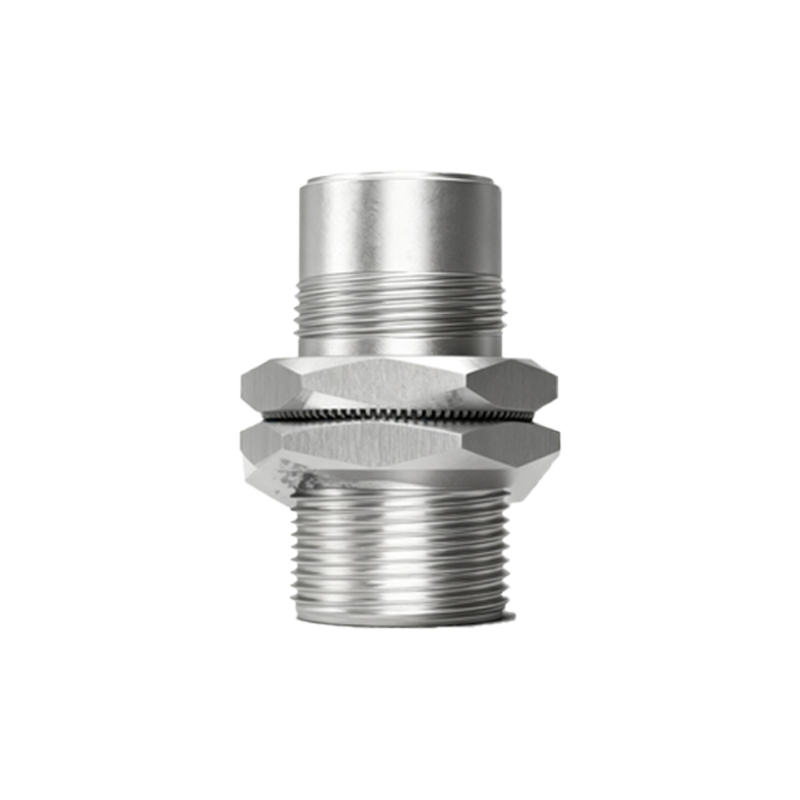
From a technical perspective, side hole designs often incorporate features like IP67 or IP68 ratings for dust and water resistance, which are crucial in harsh industrial environments. Images showcasing these aspects help users assess durability and suitability for specific conditions, such as automotive manufacturing or food processing plants. Additionally, the side hole may include wiring access points or LED indicators for status monitoring, as depicted in detailed diagrams. These elements enhance maintenance efficiency by allowing quick diagnostics without disassembly.
In practice, selecting the right proximity switch sensor involves analyzing side hole images for key parameters like sensing distance, output type (e.g., NPN or PNP), and voltage ratings. For example, inductive sensors with side holes are preferred for metal detection in machinery, while capacitive variants suit non-metallic materials. Clear images aid in distinguishing between models, preventing errors in procurement. Moreover, side hole configurations can support modular setups, where sensors are daisy-chained or grouped for multi-point detection systems. Visual references in catalogs or online platforms enable engineers to plan layouts effectively, optimizing space and reducing wiring complexity.
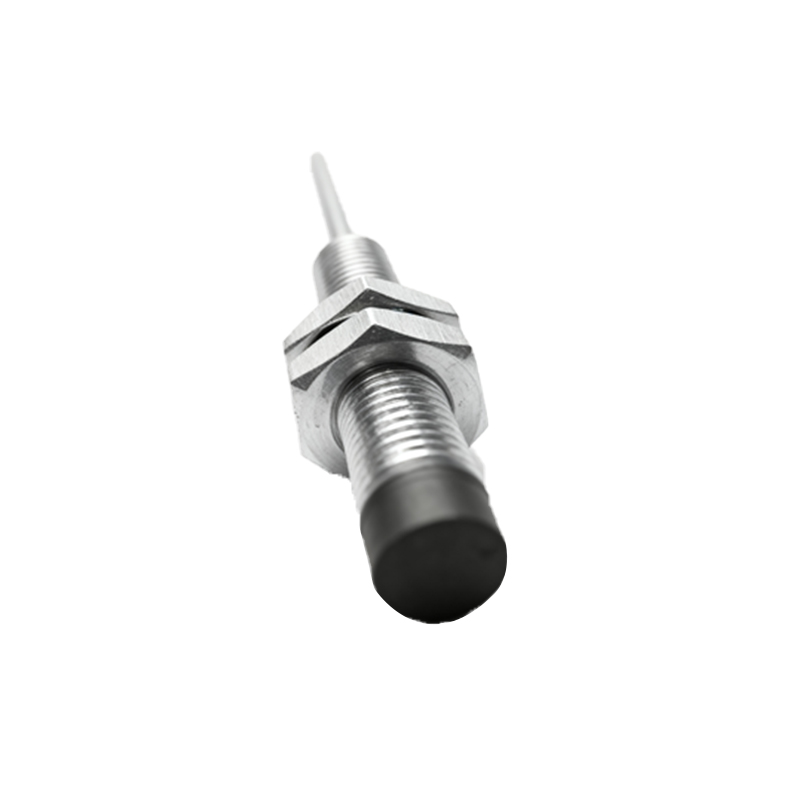
The benefits of utilizing side hole proximity switch sensors extend beyond installation ease. They contribute to improved system reliability and safety by ensuring consistent object detection in dynamic operations. In industries like packaging or assembly lines, where precision is paramount, these sensors help minimize downtime and enhance productivity. Images that highlight side hole features, such as anti-vibration mounts or temperature tolerance ranges, empower users to make informed decisions based on operational demands.
For maintenance teams, side hole images serve as valuable references during troubleshooting or replacement tasks. Annotated visuals can illustrate how to access internal components or adjust sensitivity settings, streamlining repair processes. This reduces training time and supports compliance with industry standards, such as ISO or ANSI guidelines. As technology evolves, manufacturers are increasingly providing 3D renderings or interactive images of side holes, allowing virtual testing before physical implementation.
In conclusion, proximity switch sensor side hole images are more than just visual aids; they are essential tools for engineering accuracy and operational efficiency. By offering detailed insights into design and functionality, these images enable seamless integration across diverse industrial applications. Engineers and technicians should prioritize reviewing such visuals when selecting sensors, ensuring alignment with technical requirements and environmental conditions. As automation advances, the role of precise imagery will continue to grow, driving innovation in sensor technology and industrial workflows.