Laser body scanning sensors represent a significant leap forward in precision measurement and data acquisition technologies. These advanced devices utilize laser triangulation, time-of-flight, or structured light principles to capture highly accurate three-dimensional representations of the human form. In industrial and commercial settings, their applications are rapidly expanding beyond traditional realms.
The core technology involves projecting a laser line or pattern onto the target surface. Displacement or deformation of this pattern, as captured by a complementary metal-oxide-semiconductor (CMOS) or charge-coupled device (CCD) sensor, is processed through sophisticated algorithms to generate a dense point cloud. This cloud data is then reconstructed into a precise digital 3D model. Modern sensors achieve sub-millimeter accuracy at high speeds, enabling the capture of dynamic movements or static poses with exceptional detail.
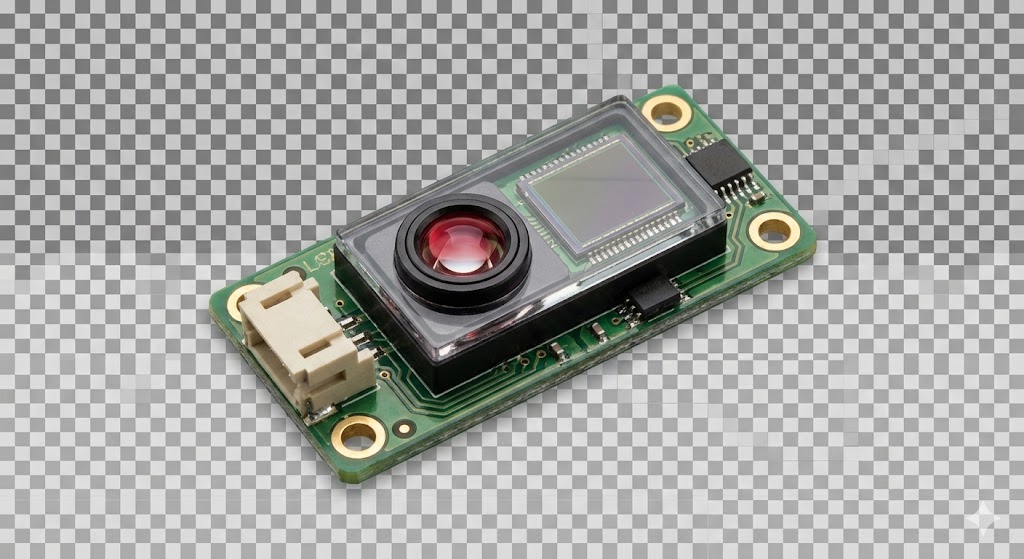
Key technical specifications define their performance. Resolution, often below 0.1 mm, determines the fineness of captured detail. Measurement range, which can vary from a few centimeters to several meters, dictates the operational distance. Scan speed, measured in thousands of points per second, is critical for real-time applications. Furthermore, factors like ambient light immunity, eye safety classifications (typically Class 1 or Class 2), and interface protocols (Ethernet, USB3, etc.) are crucial for integration into diverse systems.
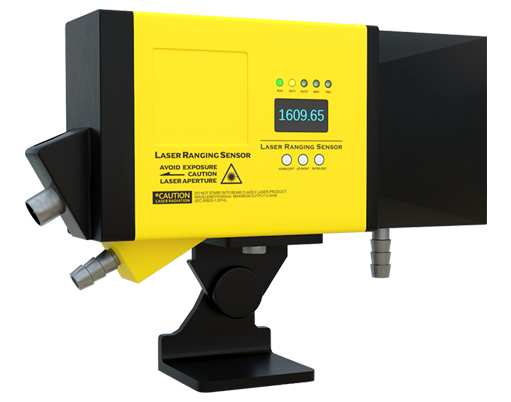
The applications are profoundly transformative. In healthcare and orthopedics, these sensors enable non-contact anthropometric measurements for designing custom prosthetics, orthotics, and ergonomic supports. They facilitate pre-operative planning and post-operative assessment with unprecedented objectivity. The fitness and wellness industry leverages them for detailed body composition analysis, tracking changes in muscle mass and body fat percentage over time, far beyond the capabilities of traditional methods.
In retail and fashion, laser body scanners are revolutionizing the custom apparel sector. They provide the exact measurements needed for made-to-measure clothing, reducing returns and enhancing customer satisfaction. The automotive and aerospace industries employ them to design ergonomic cockpits, seats, and workstations tailored to a diverse range of human anthropometry, thereby improving safety and comfort.
Emerging trends include the integration of artificial intelligence (AI) and machine learning (ML) for automated feature recognition and analysis. The miniaturization of components is also paving the way for more portable and accessible scanning solutions. Furthermore, the fusion of scan data with other biometric inputs is creating comprehensive digital human models for simulation and design.
Despite the advantages, challenges persist. High-fidelity systems can be cost-prohibitive for small-scale adopters. Processing the vast amounts of generated data requires substantial computational resources. Privacy concerns regarding the storage and use of sensitive biometric data necessitate robust cybersecurity measures and clear regulatory frameworks. Calibration and maintenance are also essential to ensure long-term accuracy.
Looking ahead, the trajectory points toward greater affordability, faster processing, and enhanced software intelligence. As the technology matures, laser body scanning sensors are poised to become ubiquitous tools, driving personalization and precision across medical, industrial, and consumer domains, fundamentally changing how we measure, design, and interact with the human form.