In the intricate world of industrial automation, where precision, reliability, and efficiency are paramount, capacitive proximity sensors stand as indispensable components. Unlike their inductive counterparts that detect only metals, capacitive sensors offer a unique capability: they can detect a vast array of materials, including liquids, plastics, glass, wood, and granular substances. This versatility makes them a powerful tool for solving complex sensing challenges on the factory floor.
The fundamental operating principle of a capacitive proximity sensor is based on the concept of capacitance. The sensor essentially forms one plate of a capacitor, with the target object acting as the other plate. The sensor's internal oscillator generates an electrostatic field emanating from its sensing face. When a target enters this field, it alters the dielectric constant and the capacitance of the system. This change is detected by the sensor's circuitry, which then triggers a switching output—typically a solid-state PNP, NPN, or relay contact. A key feature is the ability to adjust the sensitivity, often via a potentiometer. This allows engineers to fine-tune the sensing distance and ignore background materials, such as a container wall, to focus on the level of the material inside.
The applications for capacitive sensors in industrial settings are remarkably diverse. One of the most common uses is liquid level detection. Whether monitoring the fill level of conductive fluids like water or non-conductive liquids like oils or solvents in tanks, vats, or bottles, capacitive sensors provide a non-contact, reliable solution. They are equally effective for detecting the presence or absence of materials in hoppers and silos, such as powders, grains, or pellets, preventing overflows or run-outs. In packaging machinery, they ensure the presence of plastic or glass containers on a conveyor before a filling or capping operation. They can also detect the presence of labels, films, or adhesive layers where optical sensors might struggle due to transparency or color variations. Furthermore, capacitive sensors find use in applications like detecting wood chips in furniture manufacturing or monitoring the fill level of glue pots.
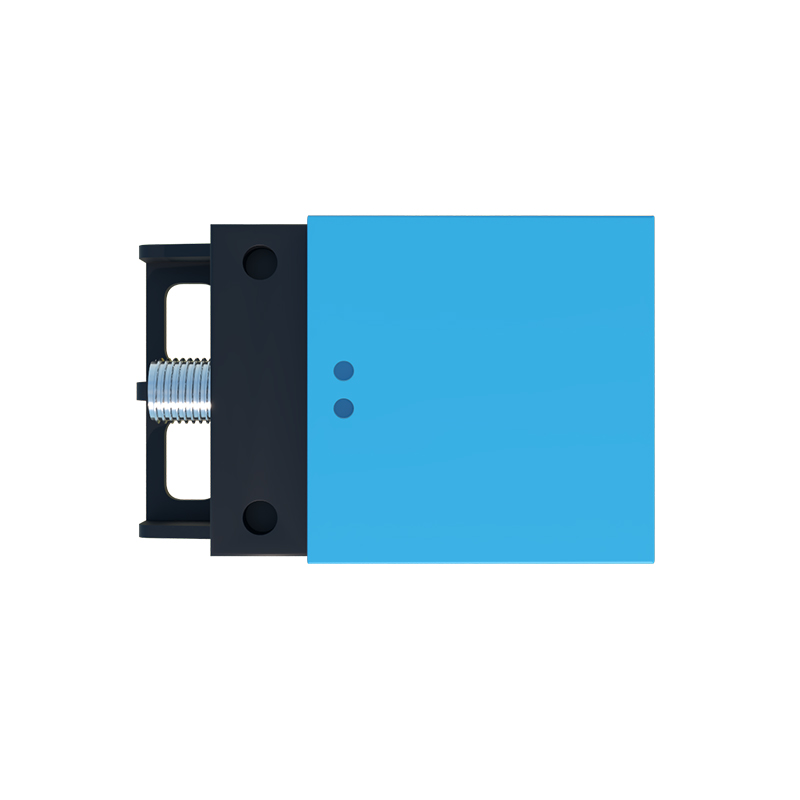
Selecting the right capacitive sensor for an application requires careful consideration of several technical parameters. First, the nominal sensing distance (Sn) must be chosen. It's crucial to note that the effective sensing distance can vary with the target material's dielectric constant; plastics, for instance, require a shorter range than metals. The housing material and form factor are also critical. Cylindrical sensors in M12, M18, or M30 threaded barrels are common, but rectangular and flat-pack designs exist for space-constrained installations. Enclosures are typically made of nickel-plated brass, stainless steel (for harsh environments), or PBT plastic. The output type must match the control system's input card (e.g., 3-wire DC PNP or NPN). Environmental ratings are non-negotiable; an IP67 or IP69K rating ensures protection against dust and high-pressure water jets, essential for washdown areas in food and beverage plants. Finally, consider special features like temperature stability, short-circuit protection, and IO-Link connectivity for advanced diagnostics and parameter setting.
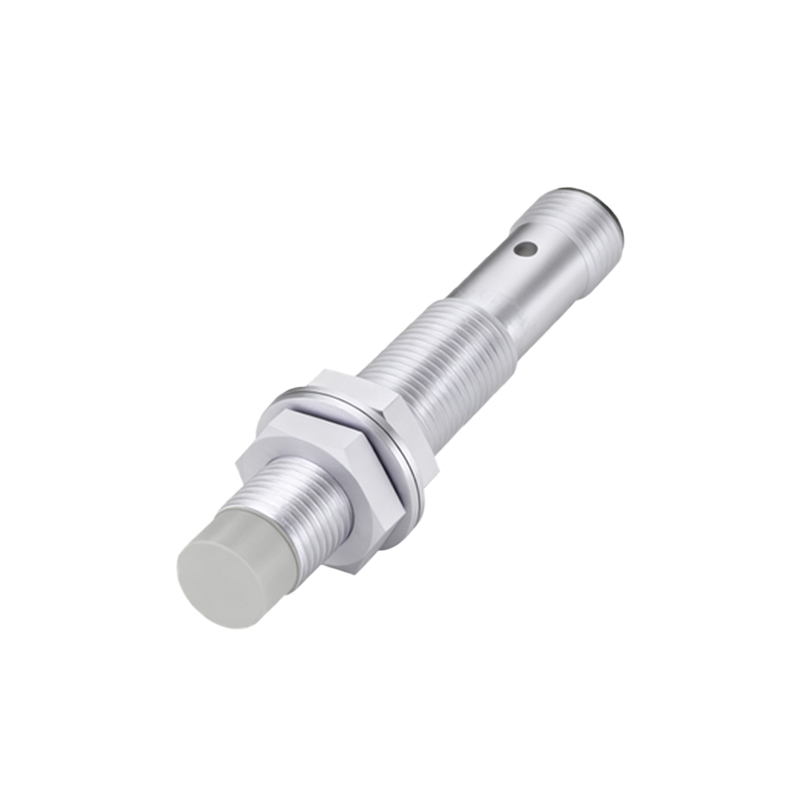
Installation and commissioning are straightforward but demand attention to detail. Sensors must be mounted securely to avoid vibration-induced false triggers. A critical rule is to maintain a minimum clearance between the sensor and any surrounding metal (the "mounting flush" condition), as specified in the datasheet, to prevent interference with the electrostatic field. During setup, the sensitivity potentiometer should be adjusted with the target material present, increasing sensitivity until a stable detection is achieved, then backing off slightly to ensure immunity to environmental changes like humidity or material buildup on the sensing face.
In conclusion, capacitive proximity sensors are a cornerstone of modern industrial sensing. Their ability to interact with almost any material opens doors to automation solutions that would be impossible or unreliable with other sensor types. By understanding their operating principle, meticulously selecting the appropriate model for the application, and following proper installation practices, engineers and technicians can leverage these robust devices to enhance process control, improve product quality, and boost overall operational efficiency. As industries continue to evolve towards smarter, more flexible manufacturing, the role of the versatile capacitive sensor will only grow in significance.