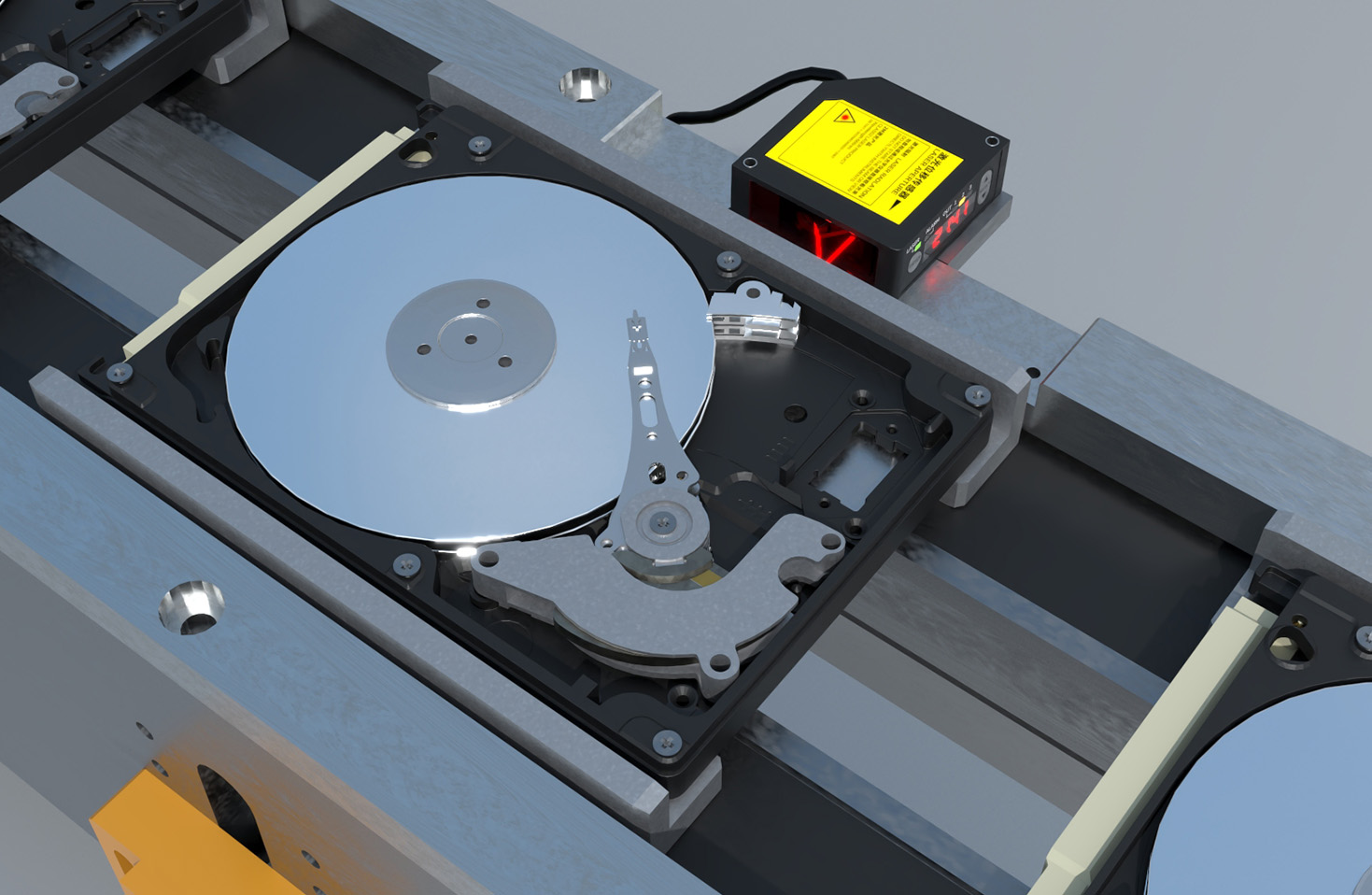
Strip laser distance sensors represent a significant advancement in non-contact measurement technology, offering high precision and reliability for various industrial applications. Unlike traditional point laser sensors that measure a single spot, strip laser sensors project a linear laser line onto a target surface. This line is captured by a high-resolution CMOS or CCD camera, and through triangulation algorithms, the sensor calculates distance profiles across the entire line. This enables the simultaneous measurement of multiple points, making it ideal for inspecting surface contours, detecting edge positions, and profiling objects on production lines.
The core working principle involves optical triangulation. A laser diode emits a focused fan-shaped beam, creating a visible laser line. When this line strikes an object, its deformation or displacement is observed from a different angle by the imaging sensor. The precise position of each point along the line in the camera's field of view changes proportionally with the object's distance. Sophisticated onboard processors analyze these positional shifts in real-time to generate accurate distance data for the entire strip. Key performance parameters include measurement range, which can vary from a few millimeters to several meters; linearity error, often within ±0.1% of full scale; and resolution, which can reach micrometer levels. The scanning frequency, determining how often profiles are captured, is crucial for high-speed applications like conveyor belt inspection.
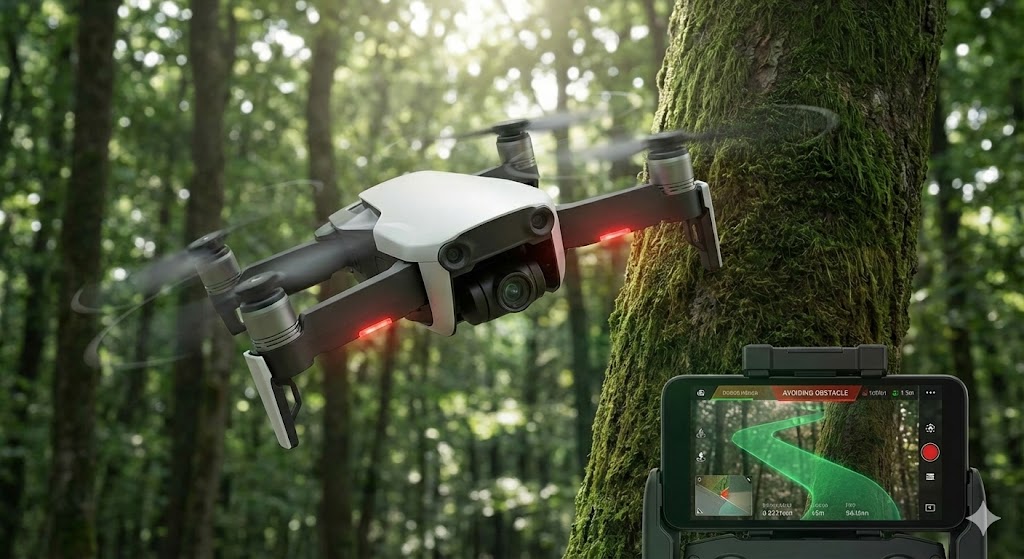
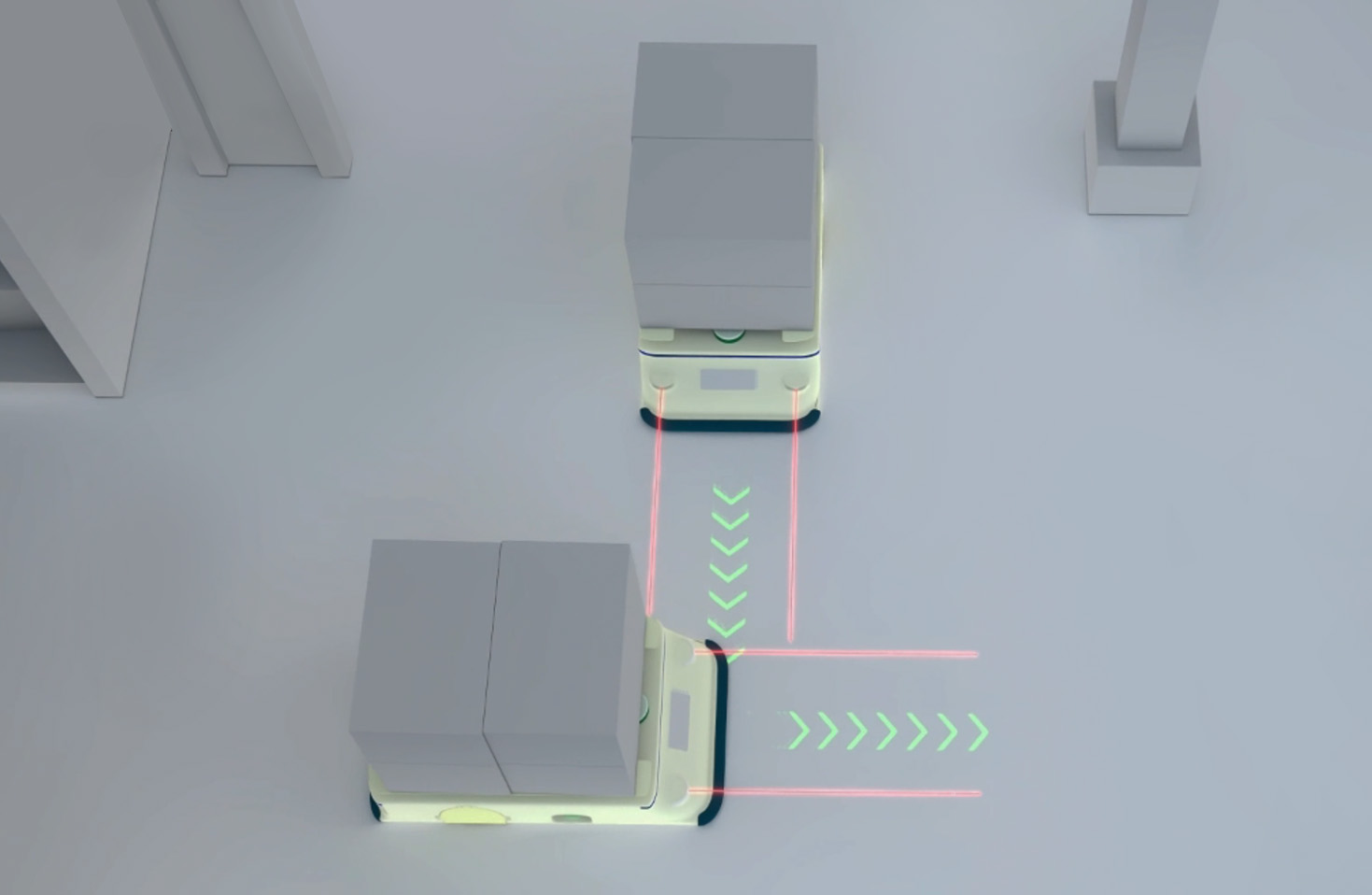
In industrial automation, the applications are vast and transformative. In robotics and automated guided vehicles (AGVs), strip laser sensors provide essential 3D contour data for navigation, obstacle avoidance, and bin-picking tasks. They enable robots to perceive object height and orientation, allowing for precise gripping and placement. On assembly lines, these sensors perform critical quality control checks, such as verifying component presence, measuring solder paste height on PCBs, and inspecting sealant bead dimensions. The automotive industry relies on them for gap and flush measurement between body panels, ensuring consistent build quality. Furthermore, in logistics, they facilitate parcel dimensioning and volume calculation for warehouse management systems.
Compared to other technologies like ultrasonic sensors or single-point lasers, strip laser sensors offer distinct advantages. They provide rich profile data instead of a single data point, enabling more comprehensive inspection. Their non-contact nature prevents damage to delicate surfaces. However, challenges exist. Environmental factors like ambient light interference, dust, or highly reflective surfaces can affect accuracy. Modern sensors incorporate solutions such as optical filters, adaptive exposure control, and advanced algorithms to mitigate these issues. Integration is also streamlined through standard industrial communication protocols like Ethernet/IP, PROFINET, and IO-Link, allowing seamless data transfer to PLCs and control systems.
Looking ahead, the evolution of strip laser sensor technology is geared towards smarter, more integrated systems. The integration of AI and machine learning for edge computing allows sensors to not only capture data but also perform preliminary analysis and anomaly detection directly on the device. Miniaturization continues, enabling installation in space-constrained locations. Enhanced connectivity through Industrial IoT frameworks facilitates predictive maintenance, where sensor data predicts equipment wear before failure occurs. As Industry 4.0 advances, the role of precise, profile-based measurement provided by strip laser sensors will only become more central to achieving higher efficiency, quality, and flexibility in automated manufacturing and beyond. Their ability to deliver detailed spatial information in real-time makes them an indispensable tool for the smart factories of today and the future.