Laser position sensors are critical components in modern industrial automation, enabling precise non-contact measurement of object location, displacement, and dimensions. These devices operate based on the principle of triangulation or time-of-flight measurement, offering high accuracy, speed, and reliability in diverse applications.
At the core of a triangulation-based laser sensor is a laser diode that emits a focused beam of light onto the target surface. The reflected light is captured by a receiver lens and projected onto a position-sensitive detector, typically a CMOS or CCD array. When the target moves, the angle of reflection changes, causing the light spot to shift on the detector. By calculating the displacement of the spot, the sensor determines the exact position of the target with micron-level precision. This method is ideal for short to medium-range measurements, such as in semiconductor manufacturing, automotive assembly, and quality control inspections.
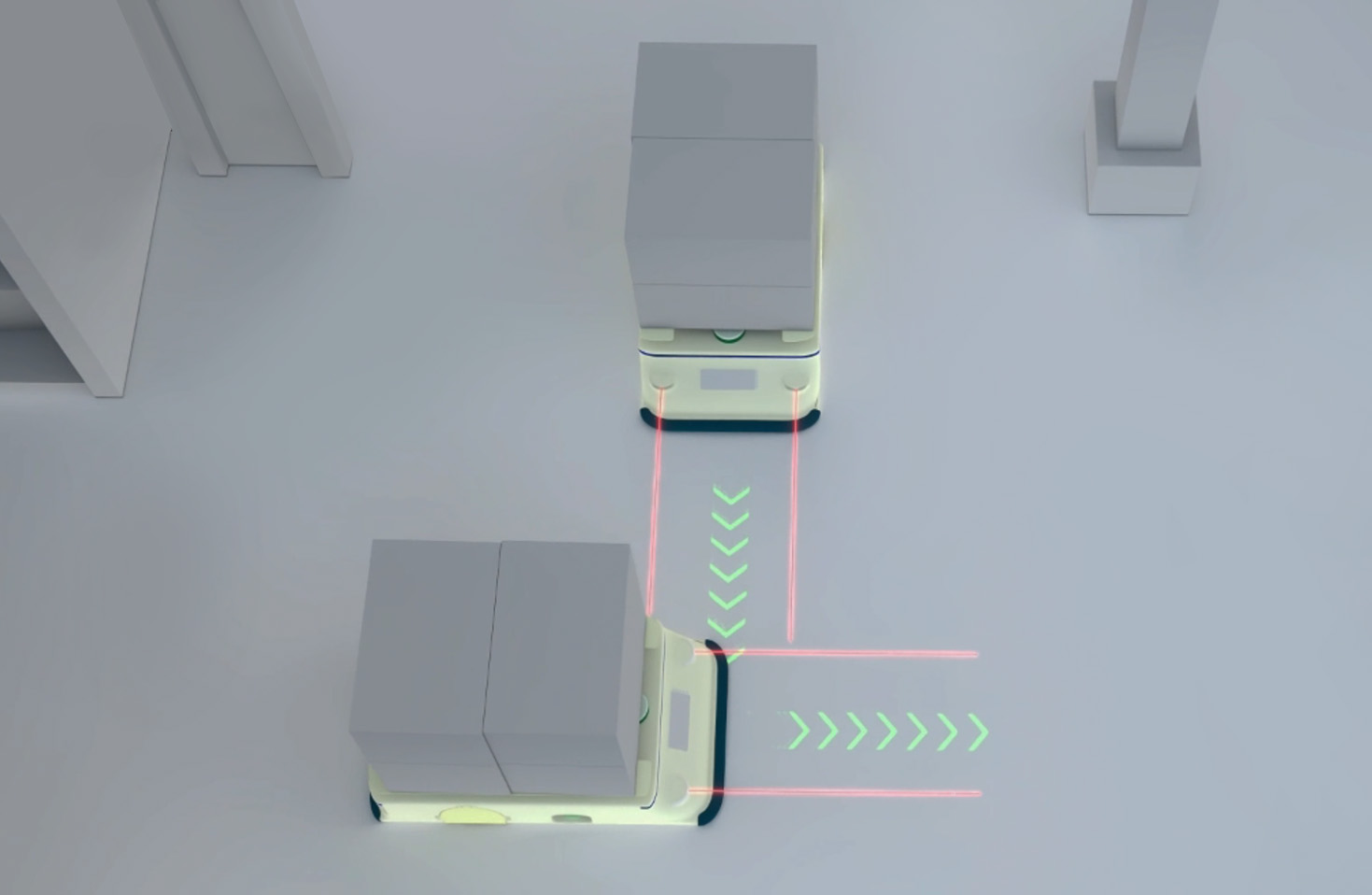
Time-of-flight (ToF) laser sensors, on the other hand, measure distance by calculating the time it takes for a laser pulse to travel to the target and back. A pulsed laser emits light, and a high-speed photodetector captures the reflection. Using the known speed of light, the sensor computes the distance based on the elapsed time. ToF sensors excel in long-range applications, such as warehouse logistics, robotics navigation, and construction surveying, where they can measure distances up to several hundred meters with millimeter accuracy.
Key advantages of laser position sensors include their non-contact nature, which eliminates wear and tear, and their ability to measure reflective, transparent, or uneven surfaces. Advanced models incorporate environmental compensation algorithms to account for temperature fluctuations, ambient light, and surface variations, ensuring consistent performance. Integration with PLCs and industrial networks like EtherCAT or PROFINET allows real-time data processing and seamless automation control.

In practice, these sensors are deployed for tasks like edge detection, thickness monitoring, vibration analysis, and robotic guidance. For instance, in packaging lines, laser sensors verify label placement, while in metal fabrication, they monitor sheet flatness. Emerging trends include miniaturization, enhanced AI-driven diagnostics, and multi-beam arrays for 3D profiling.
Despite their robustness, laser sensors require careful calibration and protection from contaminants like dust or oil mist. Regular maintenance, including lens cleaning and alignment checks, is essential to sustain accuracy. As Industry 4.0 evolves, laser position sensors will continue to advance, integrating with IoT platforms for predictive maintenance and adaptive manufacturing systems.
Overall, laser position sensors represent a fusion of optics, electronics, and software, driving efficiency and precision in industrial environments. Their adaptability to harsh conditions and evolving technological capabilities make them indispensable for future automation challenges.