In the rapidly evolving landscape of industrial automation and precision engineering, the demand for accurate, reliable, and efficient measurement solutions has never been greater. Among the forefront technologies meeting this demand is the laser distance sensor, a critical component in countless applications from manufacturing and construction to robotics and logistics. Newale, as a prominent innovator in this field, has developed a series of laser distance sensors that exemplify the cutting edge of non-contact measurement technology. This article delves into the operational principles, key features, and diverse industrial applications of Newale laser distance sensors, highlighting their role in enhancing productivity and precision.
At its core, a laser distance sensor operates on the principle of time-of-flight or phase-shift measurement. The sensor emits a focused laser beam toward a target object. The beam reflects off the object's surface and returns to the sensor's receiver. By precisely calculating the time delay between emission and reception, or by analyzing the phase shift of the modulated laser light, the sensor determines the distance to the object with remarkable accuracy. Newale sensors utilize advanced optoelectronic components and signal processing algorithms to ensure measurements are both fast and stable, even in challenging environments with variable ambient light or on surfaces with different reflectivities.
One of the defining characteristics of Newale laser distance sensors is their exceptional precision and range. Models are available with measurement accuracies down to sub-millimeter levels and ranges extending from a few centimeters to several hundred meters. This versatility allows them to be deployed in scenarios as delicate as aligning micro-components on a circuit board to as expansive as monitoring stockpile volumes in a mining quarry. The sensors often feature a compact and robust housing, designed to withstand industrial rigors including dust, moisture, and vibration, aligning with protection ratings such as IP67.
Integration is another area where Newale excels. These sensors typically support a variety of output interfaces, including analog voltage/current (0-10V, 4-20mA), digital interfaces like RS-232, RS-485, and industrial Ethernet protocols such as EtherNet/IP or PROFINET. This connectivity flexibility ensures seamless communication with Programmable Logic Controllers (PLCs), Human-Machine Interfaces (HMIs), and broader Industrial Internet of Things (IIoT) systems. Users can configure measurement parameters, set thresholds for control actions, and stream data for real-time monitoring and analytics via dedicated software tools.
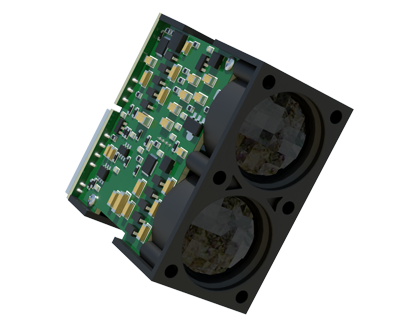
The application spectrum for Newale laser distance sensors is vast. In automated production lines, they are indispensable for precise positioning of robotic arms, dimensional inspection of manufactured parts, and controlling fill levels in packaging machinery. In the construction sector, they facilitate tasks like terrain mapping, crane hook positioning, and alignment of structural elements. Logistics and warehousing benefit from their use in palletizing, inventory management through volume measurement, and automated guided vehicle (AGV) navigation. Furthermore, they play a crucial role in safety systems, such as creating virtual protective zones around hazardous machinery.
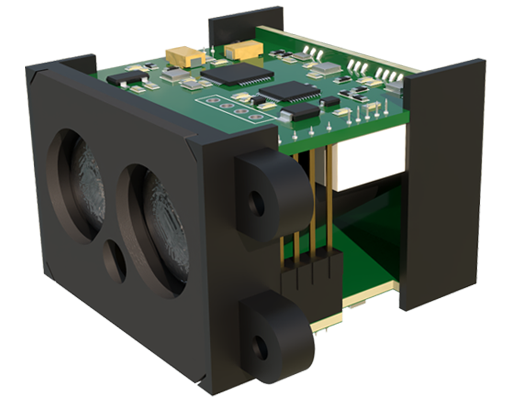
A significant advantage is the non-contact nature of the measurement. Unlike mechanical probes or tactile methods, laser sensors do not physically touch the target, eliminating wear and tear on both the sensor and the measured object. This leads to lower maintenance costs, higher operational longevity, and the ability to measure delicate, hot, or moving surfaces without interference. Newale designs incorporate features like background suppression and advanced filtering to ignore irrelevant objects, ensuring the sensor responds only to the intended target.
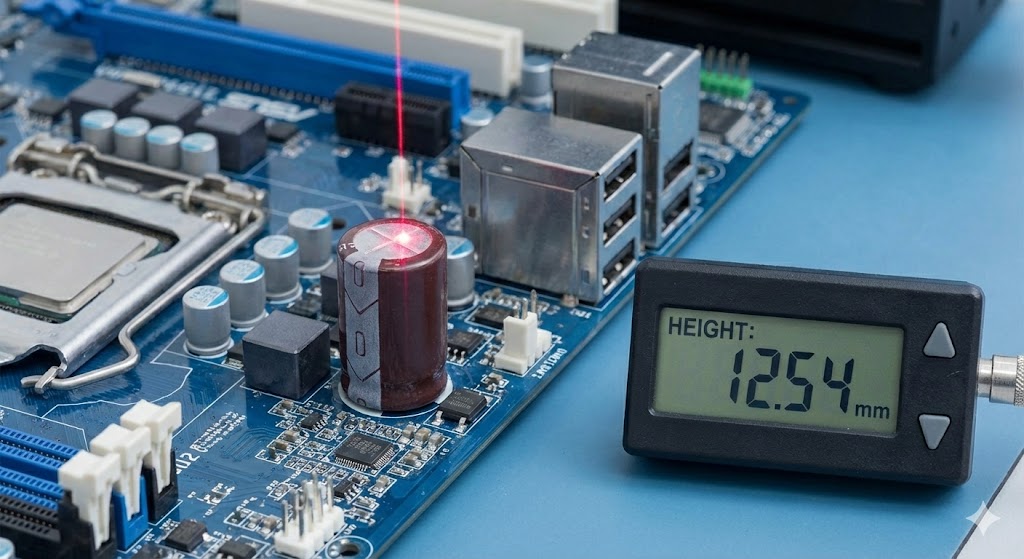
Looking ahead, the integration of smarter features is a clear trend. Future iterations of Newale sensors may include enhanced onboard diagnostics, predictive maintenance capabilities, and more sophisticated data fusion with other sensor types. As Industry 4.0 and smart factory concepts deepen, the role of precise, connected measurement devices like the Newale laser distance sensor will only become more central to operational excellence.
In conclusion, Newale laser distance sensors represent a synthesis of precision optics, robust engineering, and intelligent connectivity. They provide a fundamental solution for industries striving to improve accuracy, efficiency, and automation in their measurement and control processes. By offering reliable performance across diverse conditions and applications, these sensors empower engineers and technicians to build more responsive, efficient, and intelligent industrial systems.