In the realm of industrial automation and machine control, the reliable detection of object presence, position, or movement is paramount. Two fundamental components that serve this critical function are proximity sensors and limit switches. While their end goal—providing a control signal based on a physical condition—is similar, their underlying technologies, applications, and performance characteristics differ significantly. Understanding these differences is essential for engineers and technicians to select the optimal device for a given task, ensuring system reliability, efficiency, and longevity.
Proximity sensors, as the name implies, detect the presence or absence of an object without any physical contact. They operate on various principles, with inductive, capacitive, and photoelectric being the most common. Inductive proximity sensors generate an electromagnetic field and detect changes caused by metallic targets. They are highly reliable, wear-free, and excellent for harsh environments with dust, oil, or moisture. Capacitive sensors can detect both metallic and non-metallic materials (like plastic, wood, or liquids) by sensing changes in capacitance. Photoelectric sensors use a light beam (visible, infrared, or laser) and are ideal for long-range detection or sensing transparent objects. The key advantages of proximity sensors include high switching frequencies, long operational life due to no moving parts, and resistance to mechanical wear. They are often the preferred choice for high-speed counting, precise positioning, or applications where gentle handling of the target is required.
On the other hand, limit switches, also known as mechanical travel switches, are electromechanical devices. They consist of an actuator (like a lever, roller, or plunger) mechanically linked to a set of electrical contacts. When an object physically contacts and moves the actuator to a predetermined point, it causes the contacts to open or close, thereby changing the state of an associated electrical circuit. This direct mechanical action is their defining characteristic. Limit switches are known for their simplicity, robustness, and high electrical switching capacity. They can directly control higher-power loads without requiring an intermediary relay in many cases. Their tactile feedback and clear physical actuation point make them intuitive for setting machine limits or as safety interlocks on guards and doors. However, the mechanical nature introduces moving parts that are subject to wear, fatigue, and eventual failure. The need for physical contact also limits switching speed and can cause abrasion on both the switch and the target object.
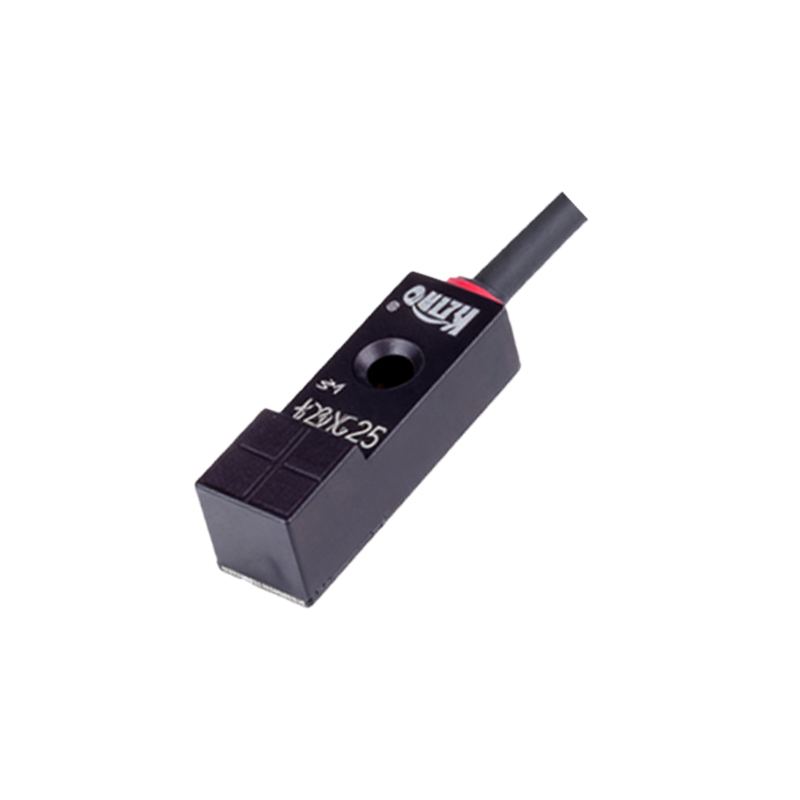
The choice between a proximity sensor and a limit switch hinges on several application-specific factors. For environments with heavy vibration, shock, or where physical impact is expected, a robust limit switch might outperform a sensitive electronic sensor. Conversely, in clean, high-speed automation lines—such as packaging or semiconductor manufacturing—non-contact proximity sensors eliminate maintenance downtime and provide millions of reliable cycles. Factors like target material, required sensing distance (proximity sensors often offer larger ranges), environmental conditions (temperature, contaminants), switching frequency, and electrical load requirements must all be weighed. Cost is another consideration; while basic limit switches can be less expensive upfront, the total cost of ownership may favor proximity sensors in demanding cycles due to their maintenance-free operation.
In modern system design, these devices are not always mutually exclusive. They often work in concert. A limit switch might be used as a reliable, fail-safe "home" position sensor for a robotic arm, while an array of inductive proximity sensors provides fine-grained positional feedback along its travel. Understanding the strengths and limitations of each technology allows for intelligent, hybrid solutions that maximize both safety and performance.
Ultimately, the evolution towards Industry 4.0 and smart factories continues to drive innovation in both fields. Modern proximity sensors come with advanced diagnostics, IO-Link communication, and enhanced sensing capabilities. Similarly, limit switches have evolved with sealed bodies, improved actuator designs, and solid-state variants. The fundamental decision, however, remains rooted in the core principle: the need for physical contact. By carefully evaluating the operational parameters and long-term reliability needs of the application, engineers can make an informed selection between the silent, non-contact vigilance of a proximity sensor and the definitive, tactile confirmation of a limit switch, ensuring optimal control and efficiency in any industrial setting.