In industrial automation and control systems, 24V proximity sensors are fundamental components for non-contact detection of metallic or non-metallic objects. Their reliability and performance heavily depend on a stable and appropriate power supply. This article delves into the critical aspects of supplying 24V proximity sensors, addressing common challenges and providing practical solutions for engineers and procurement specialists.
A 24V DC power supply is the standard for most industrial proximity sensors due to its safety, compatibility with Programmable Logic Controllers (PLCs), and reduced electrical noise compared to higher voltages. The supply must deliver a stable voltage within the sensor's specified operating range, typically 10-30V DC for a 24V nominal sensor. Voltage drops, often caused by long cable runs or undersized wiring, can push the voltage below the minimum threshold, leading to sensor malfunction or failure. To mitigate this, calculate the total loop resistance and ensure the power source can compensate for the expected drop. Using thicker gauge wires for long distances is a standard practice.
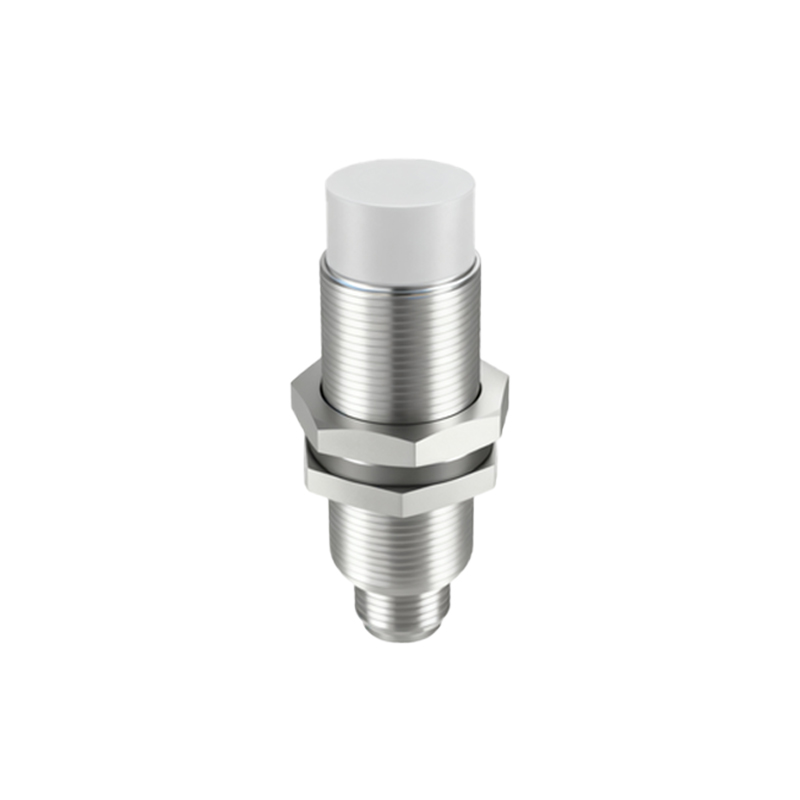
Current sourcing is another vital factor. Each sensor has a quiescent current draw (when idle) and a higher load when active. The power supply must be rated to handle the total current of all connected sensors simultaneously, plus a safety margin of 20-25%. Overloading a power supply causes voltage sag, affecting all connected devices. For large installations, consider distributed power architecture with multiple regulated power supplies instead of a single central unit to enhance reliability and simplify troubleshooting.

Wiring and protection are paramount. Always adhere to the manufacturer's wiring diagram, distinguishing between PNP (sourcing) and NPN (sinking) sensor types, as this determines the common connection point (positive or negative). Incorrect wiring can damage the sensor or the controller input. Implement protective measures such as fuses or circuit breakers on each supply line. For sensors in electrically noisy environments (near motors, variable frequency drives), using shielded cables with the shield properly grounded at one end is essential to prevent false triggering. In some cases, adding a surge protection device or a ferrite core can suppress voltage spikes and electromagnetic interference.
The choice of power supply type influences system stability. Switch-mode power supplies (SMPS) are common for their efficiency and compact size but can generate high-frequency noise. Linear power supplies offer cleaner output but are less efficient and bulkier. For sensitive applications, select an SMPS with low ripple and noise specifications. Ensure the power supply has adequate protection features like overload, short-circuit, and over-voltage protection to safeguard the sensors.
Maintenance and diagnostics form the final pillar. Regularly monitor the supply voltage at the sensor terminal, not just at the power source, to identify developing issues. Many modern sensors feature diagnostic LEDs indicating power status and output state, which are invaluable for quick fault isolation. When integrating a new batch of sensors, verify their compatibility with the existing supply's electrical characteristics. A common oversight is neglecting the inrush current of certain sensor models, which can momentarily trip protective devices.
In summary, a robust 24V supply for proximity sensors is not merely about connecting to a 24V source. It requires careful planning regarding voltage stability, current capacity, correct wiring, environmental protection, and appropriate power supply selection. By addressing these factors, engineers can ensure maximum sensor longevity, reduce downtime, and maintain the high reliability expected in modern industrial automation systems. Investing time in proper power design pays dividends in operational consistency and reduced maintenance costs over the system's lifecycle.