In modern industrial operations, conveyor belts are the lifelines of material handling across mining, quarrying, cement production, and logistics. Their continuous, high-load operation, however, makes them susceptible to catastrophic failures, with longitudinal belt rips being among the most severe and costly. Traditional detection methods, such as mechanical rip switches or embedded sensor loops, often suffer from delayed response, high maintenance needs, or susceptibility to environmental interference. This is where Laser Belt Rip Sensors emerge as a transformative, non-contact solution for proactive conveyor safety and asset protection.
Operating on the principle of laser triangulation or time-of-flight measurement, these sensors project a precise, coherent laser line or pattern across the full width of the conveyor belt's underside or along its critical edge zones. A high-resolution CMOS or CCD receiver continuously captures the reflected light pattern. Under normal conditions, the belt surface reflects a consistent, expected profile. The core intelligence lies in the sensor's integrated processor and sophisticated algorithms. When a longitudinal rip or significant tear occurs, it creates a discontinuity—a gap—in the belt material. This discontinuity alters the laser's reflection pattern dramatically. The sensor's firmware is programmed to recognize these specific anomaly signatures in real-time, distinguishing them from normal belt seams, splices, or benign surface irregularities like dirt or moisture.
The moment a rip signature is confirmed, the sensor transmits an immediate stop signal—typically a relay dry contact or a high-speed digital protocol like IO-Link or PROFINET—to the conveyor's central PLC or safety circuit. This triggers an emergency shutdown within milliseconds, preventing the rip from propagating further, which could otherwise result in hundreds of meters of belt destruction, massive spillage, and extended, costly downtime. The key advantage is the non-contact nature. Unlike mechanical devices that must physically touch or penetrate the belt, laser sensors avoid wear and tear on both the sensor and the belt itself. They are mounted at a safe distance, immune to the belt's vibration, misalignment, and abrasion.
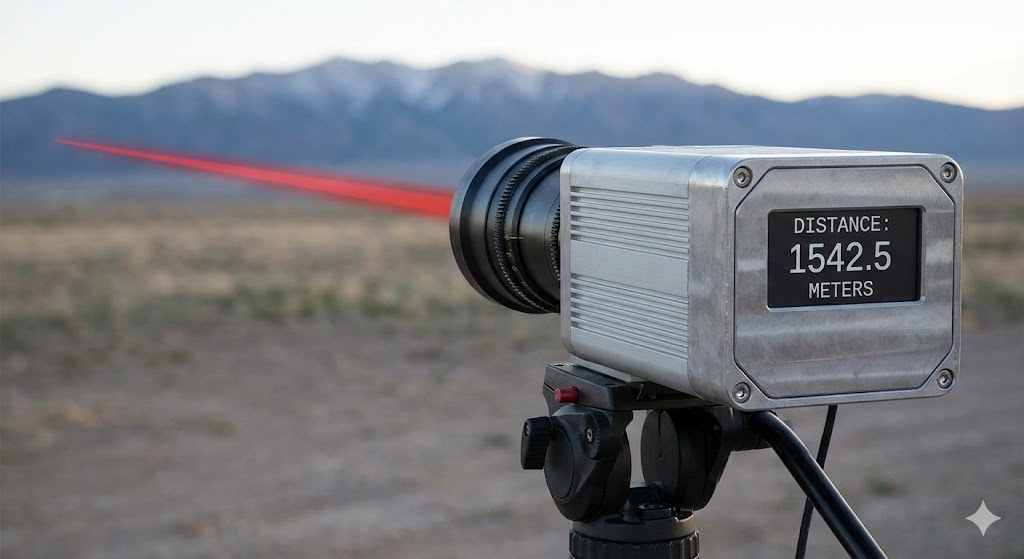
Deployment and configuration are critical for optimal performance. Engineers must consider the sensor's mounting position, usually 50-300mm from the belt surface, ensuring the laser line is perpendicular and covers the entire monitoring zone. The ambient environment poses challenges: dust, steam, and varying belt colors can attenuate the laser signal. Modern laser rip sensors combat this with high-power Class 2M lasers for better penetration, adaptive sensitivity thresholds, and integrated air purging units to keep the lens clean. Regular calibration via intuitive software interfaces ensures sustained accuracy. These sensors often form part of a layered safety system, integrated with belt misalignment sensors, speed monitors, and pull-cord switches for comprehensive protection.
The return on investment is substantial. By preventing a single major rip event, a laser sensor system can save tens to hundreds of thousands in belt replacement costs, cleanup operations, and lost production. It enhances operational safety by reducing the risk of secondary damage to idlers, pulleys, and structures, and minimizes the need for personnel to inspect hazardous, moving belt lines frequently. As Industry 4.0 advances, these sensors are evolving into smart nodes, offering predictive diagnostics by trending belt surface wear data and communicating directly with plant-wide asset management systems.
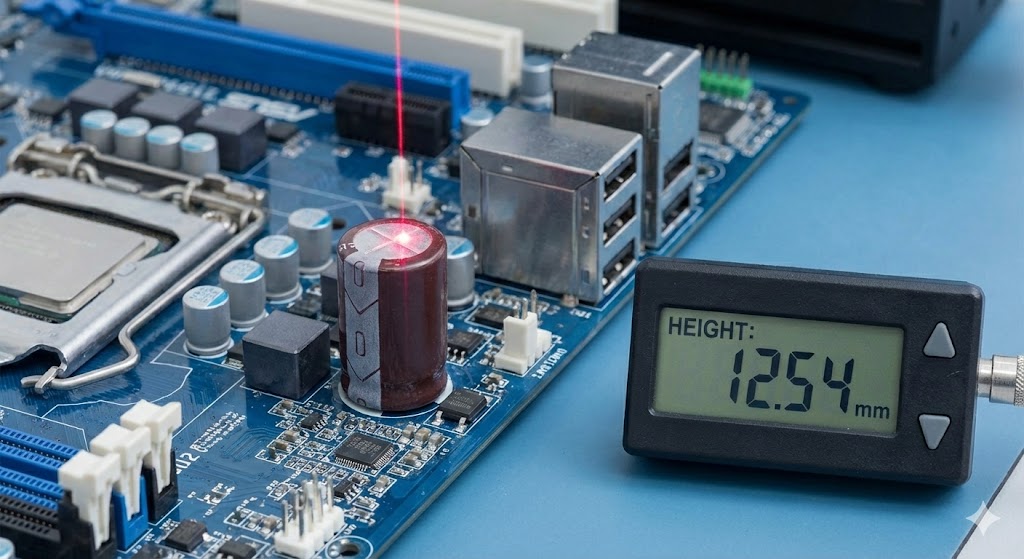
In conclusion, laser belt rip sensors represent a significant leap from reactive to predictive maintenance in bulk handling. Their precision, reliability, and non-contact operation set a new standard for conveyor belt protection. For engineers and plant managers prioritizing safety, uptime, and total cost of ownership, integrating a robust laser-based rip detection system is not merely an upgrade—it is an essential safeguard for the heart of the material transport process.