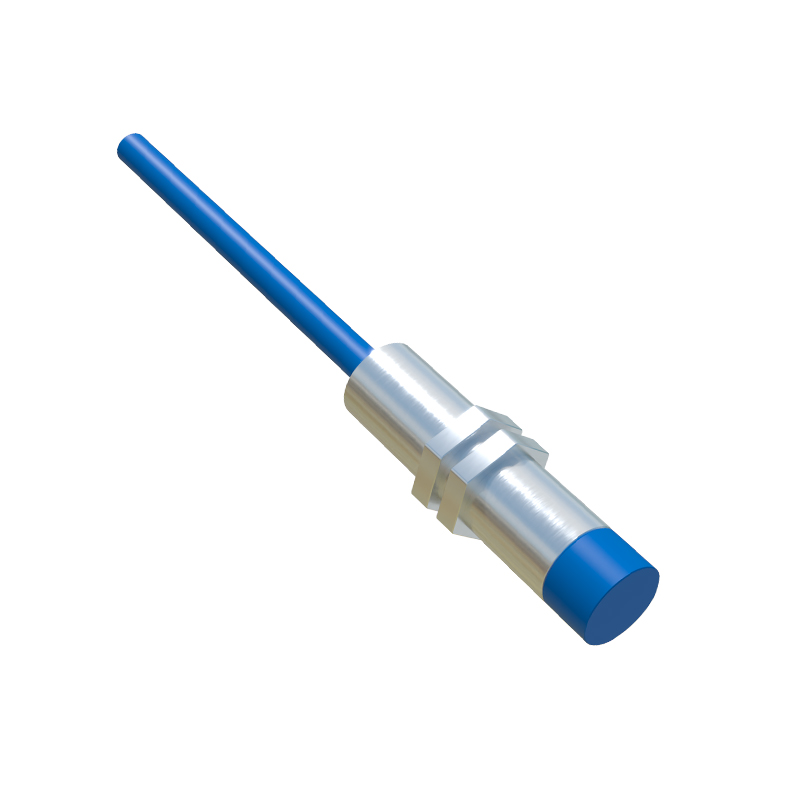
In the realm of industrial automation and control systems, proximity sensors are indispensable components for non-contact detection of objects. Among the various configurations available, the 3-wire PNP proximity sensor stands out for its widespread use, particularly in regions following European and Asian electrical standards. This article delves into the operational principles, wiring methodologies, and practical application considerations of this critical sensor type.
Fundamentally, a proximity sensor detects the presence or absence of a metallic object (ferrous or non-ferrous, depending on the technology) within its sensing range without physical contact. The 3-wire PNP sensor is a solid-state, electronic switching device. The acronym "PNP" refers to the type of transistor used in its output stage. In a PNP configuration, the output acts as a sourcing switch. This means that when an object is detected (sensor is active), the output terminal connects to the positive supply voltage (+V), sourcing current to the load. The load (e.g., a PLC input, relay coil, or indicator lamp) is connected between the sensor's output wire and the common negative (0V) line.
A standard 3-wire PNP proximity sensor has three distinct wires, typically color-coded as Brown, Blue, and Black. The Brown wire is connected to the positive DC supply voltage (commonly +24V DC). The Blue wire is connected to the common negative or 0V DC. The Black wire is the switched output signal line. When the sensor is idle (no target detected), the Black wire is in a high-impedance state, effectively disconnected. Upon detection of a valid target within its specified sensing distance, the internal PNP transistor switches on, connecting the Black wire to the positive supply (Brown wire), thus providing a voltage signal to the connected load.
The advantages of using a 3-wire PNP sensor are significant. They offer a straightforward interface with Programmable Logic Controllers (PLCs), as most PLC digital input modules are designed to accept a sourcing (PNP) signal. The solid-state design ensures fast switching speeds, high reliability, and long operational life with no moving parts subject to wear. Furthermore, they are generally immune to contact bounce and can operate in demanding environments with resistance to vibration, dust, and moisture when appropriately rated (e.g., IP67).
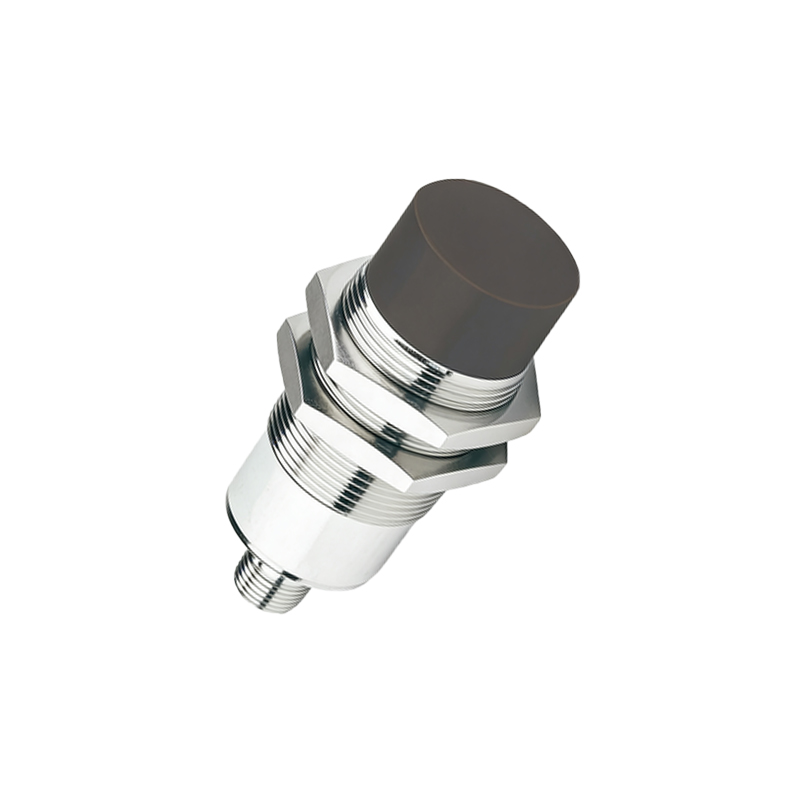
When integrating a 3-wire PNP sensor into a control circuit, several key factors must be considered. First, ensure the power supply voltage matches the sensor's rated voltage (e.g., 10-30V DC). Incorrect voltage can damage the sensor. Second, the load connected to the output must not exceed the sensor's maximum switching current capacity. It is often necessary to use an interposing relay for higher-current loads. Third, pay close attention to the sensing characteristics: the nominal sensing distance (Sn), the material factor for different metals, and the hysteresis (the difference between the switch-on and switch-off points) to ensure reliable operation without false triggers.
Installation is another critical aspect. Metallic mounting surfaces can influence the sensor's magnetic or capacitive field, potentially reducing its effective sensing range. Manufacturers typically specify non-metallic mounting zones or provide shielded and non-shielded versions. Shielded (flush-mountable) sensors can be installed flush with a metal surface, while non-shielded (non-flush) sensors require a clear area around the sensing face for optimal performance.
Troubleshooting a malfunctioning 3-wire PNP sensor typically involves a systematic approach. Use a multimeter to verify power supply voltage between Brown (+) and Blue (-) wires. Next, measure the voltage on the Black output wire relative to the Blue wire. With no target present, it should read near 0V. When a target is presented, the voltage should rise to near the supply voltage (e.g., 24V). If the voltage does not change, the sensor may be faulty, misaligned, or the target may be outside its sensing range or made of an incompatible material.
In conclusion, the 3-wire PNP proximity sensor is a robust, efficient, and versatile solution for object detection in countless industrial applications, from packaging and material handling to automotive assembly and CNC machinery. Understanding its sourcing output behavior, correct wiring practices, and application nuances is essential for any engineer or technician involved in designing, maintaining, or troubleshooting modern automated systems. Its role in enabling precise, reliable, and maintenance-free operation continues to make it a cornerstone of industrial sensor technology.