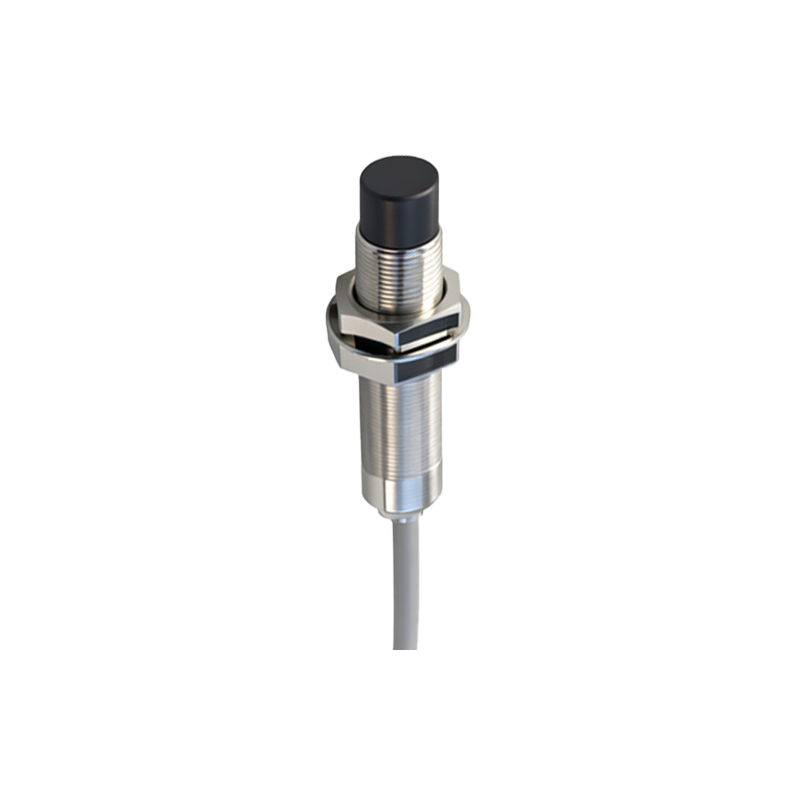
In the realm of industrial automation and electrical control systems, proximity switch sensors play a pivotal role in enabling non-contact detection of objects. Among the prominent manufacturers, Changhong stands out for its robust and reliable sensor solutions. This article delves into the technical aspects, applications, and selection criteria for Changhong proximity sensors, providing a detailed overview for electrical engineers and industry professionals.
Proximity sensors, fundamentally, are devices that detect the presence or absence of an object without physical contact. They achieve this by emitting an electromagnetic field or a beam of electromagnetic radiation and looking for changes in the field or return signal. Changhong offers a diverse range of these sensors, primarily categorized into inductive, capacitive, and magnetic types. Inductive proximity sensors are the most common in industrial settings. They detect metallic objects by generating an oscillating electromagnetic field. When a metal target enters this field, it induces eddy currents, causing a change in the oscillation amplitude. This change is detected by the sensor's circuitry, triggering a solid-state output switch. Changhong's inductive sensors are renowned for their high switching frequency, excellent repeat accuracy, and resilience in harsh environments, often featuring IP67 or higher ingress protection ratings for dust and water resistance.
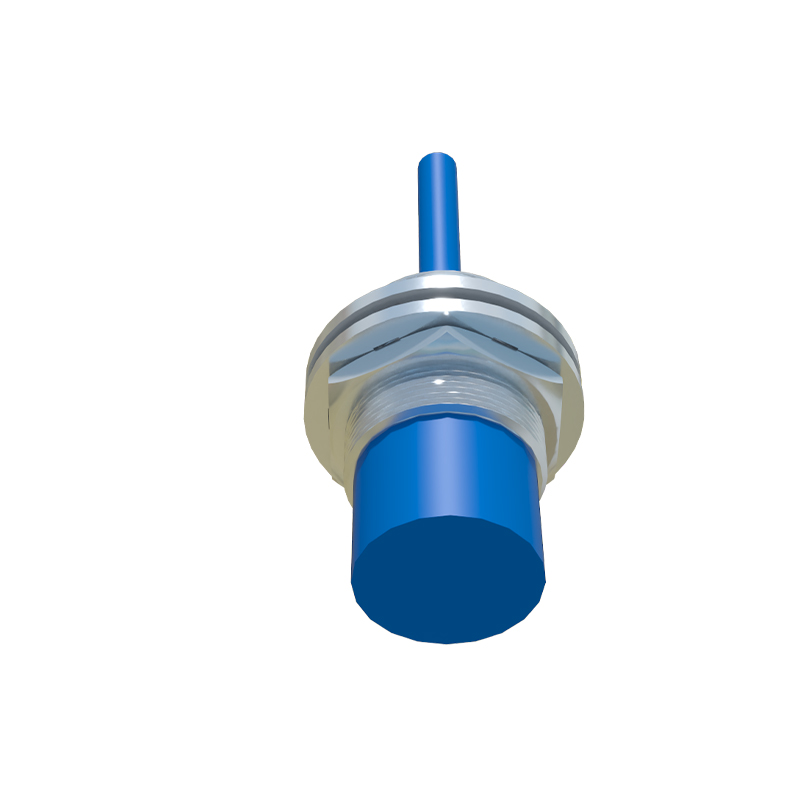
Capacitive proximity sensors, another key product line from Changhong, can detect both metallic and non-metallic materials such as liquids, plastics, and wood. They operate by generating an electrostatic field. The presence of any material with a dielectric constant different from air alters the capacitance of the system, which is then detected. This makes them ideal for applications like level detection in tanks or presence detection of packaging materials. Magnetic proximity sensors, or reed switches, are designed to detect permanent magnets. They are simple, cost-effective, and widely used in safety applications, such as door position sensing on machinery guards.
The selection of an appropriate Changhong proximity sensor hinges on several critical parameters. First, the sensing distance, or nominal range, must be chosen based on the application's requirements, ensuring a small safety margin to account for mechanical tolerances. Second, the output type is crucial: NPN (sinking) or PNP (sourcing) transistor outputs are standard for DC sensors, while AC models might use relay contacts. Engineers must match the sensor's output configuration with the control system's input module (PLC, relay, etc.). Third, the housing material and form factor (e.g., cylindrical, rectangular) must suit the installation environment, considering factors like mechanical stress, chemical exposure, and temperature ranges, which Changhong sensors are typically rated for from -25°C to 70°C.
Installation and wiring are straightforward but require attention to detail. Maintaining the correct clearance around the sensor's active face is essential to prevent false triggering from surrounding metal (the "flush-mountable" feature in shielded models mitigates this). Proper grounding and the use of shielded cables in electrically noisy environments are recommended practices to ensure signal integrity. Changhong sensors usually come with clear wiring diagrams: brown wire for DC+, blue for DC-, and black for the switched output signal.
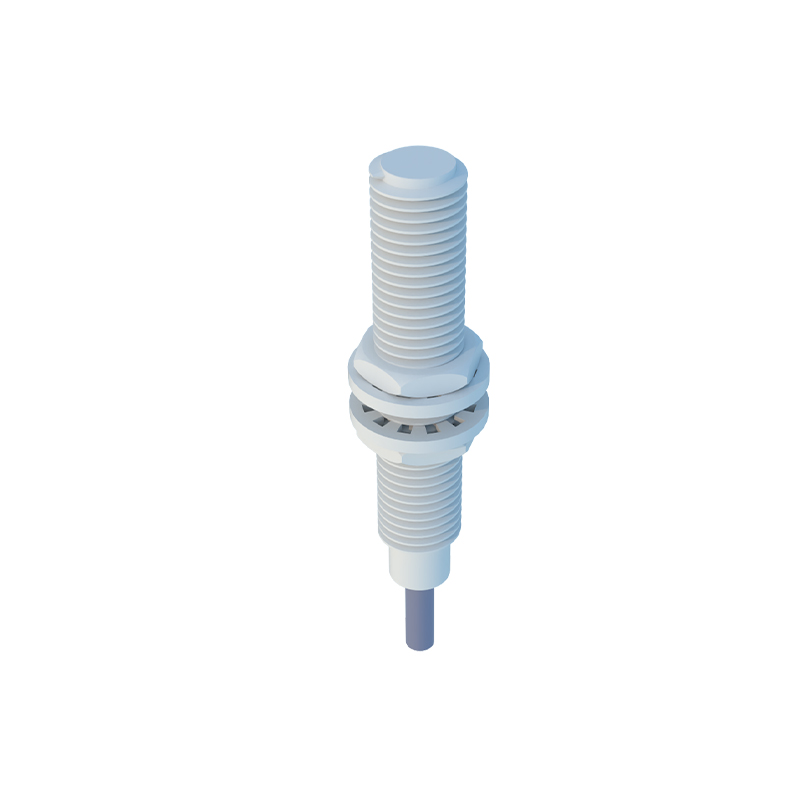
In practical applications, Changhong proximity sensors are ubiquitous. On automated assembly lines, they count products, detect part positions, and confirm end-of-travel for actuators. In material handling, they monitor conveyor belt operations and control sorting gates. Within machine tools, they provide precise position feedback for slides and spindles. Their non-contact nature ensures long operational life with minimal maintenance, as there are no mechanical parts to wear out.
Troubleshooting typically involves checking the power supply, verifying the target material and distance, and inspecting for physical damage or contamination on the sensing face. A multimeter can be used to check for output switching when a target is presented. Changhong's design often includes LED status indicators for quick visual diagnostics.
In conclusion, Changhong proximity switch sensors represent a blend of reliability, precision, and durability essential for modern industrial automation. Understanding their operating principles, key specifications, and application nuances allows electrical engineers to design more efficient, safe, and resilient control systems. As Industry 4.0 advances, the role of such fundamental sensing components remains irreplaceable, forming the sensory backbone of intelligent manufacturing environments.