In the rapidly evolving landscape of industrial automation, proximity sensors play a pivotal role in enabling precise, non-contact detection of metallic objects. Among the leading innovators in this field, Melexis stands out with its advanced inductive proximity sensors, which are engineered to deliver high reliability, durability, and performance across diverse applications. This article delves into the technology behind Melexis inductive proximity sensors, their operational principles, key features, and practical industrial uses, providing insights for engineers and industry professionals seeking robust sensing solutions.
Inductive proximity sensors operate on the principle of electromagnetic induction. A Melexis sensor typically consists of an oscillator circuit that generates a high-frequency electromagnetic field from a coil wound around a ferrite core. When a metallic object enters this field, eddy currents are induced on the surface of the target, causing a change in the oscillation amplitude or frequency. This alteration is detected by the sensor's circuitry, which then triggers an output signal—usually a switching action—to indicate the presence of the object. Unlike capacitive or optical sensors, inductive variants are specifically designed for metal detection, offering immunity to non-metallic materials, dust, moisture, and other environmental contaminants. This makes them ideal for harsh industrial settings.
Melexis inductive proximity sensors are renowned for their compact design and high precision. Key technological features include robust housing materials such as stainless steel or nickel-plated brass, which provide resistance to mechanical stress, corrosion, and extreme temperatures. Many models incorporate embedded microcontrollers that enable programmable functions like adjustable sensing ranges, output delay, and temperature compensation. For instance, the MLX90316 series offers analog or digital outputs with high linearity, allowing for precise position sensing in addition to simple proximity detection. The sensors often comply with international standards like IP67 or IP69K for ingress protection, ensuring reliable operation in wet or dusty environments common in automotive, manufacturing, and robotics applications.
One of the standout advantages of Melexis sensors is their low power consumption and extended operational lifespan. By utilizing advanced semiconductor technology, these devices minimize energy usage while maintaining fast response times—often in the microsecond range. This efficiency is critical in battery-powered systems or energy-conscious industrial setups. Additionally, Melexis integrates self-diagnostic capabilities that monitor sensor health, alerting users to potential issues like coil degradation or circuit faults, thereby reducing downtime and maintenance costs.
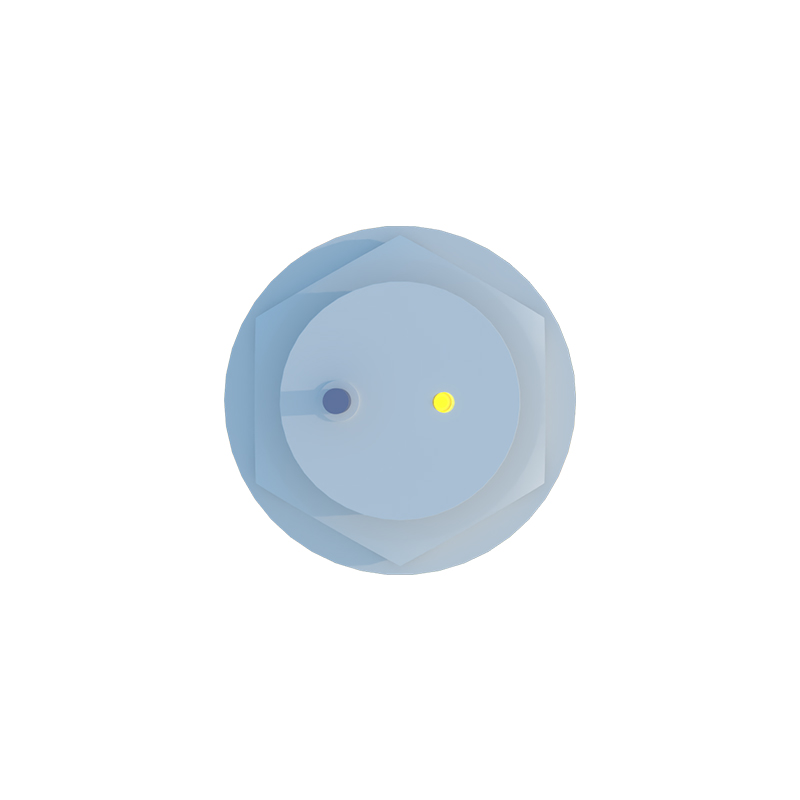
In practical terms, Melexis inductive proximity sensors find extensive use across multiple sectors. In automotive manufacturing, they are deployed for tasks such as detecting piston position in engines, monitoring brake pad wear, or ensuring proper alignment in assembly lines. The food and beverage industry employs them in packaging machinery to count metal containers or verify lid placement, leveraging their hygiene-friendly sealed designs. Robotics applications benefit from their precision in end-effector positioning and collision avoidance, while in heavy machinery, they serve as safety sensors to prevent equipment damage by detecting the proximity of metal parts.
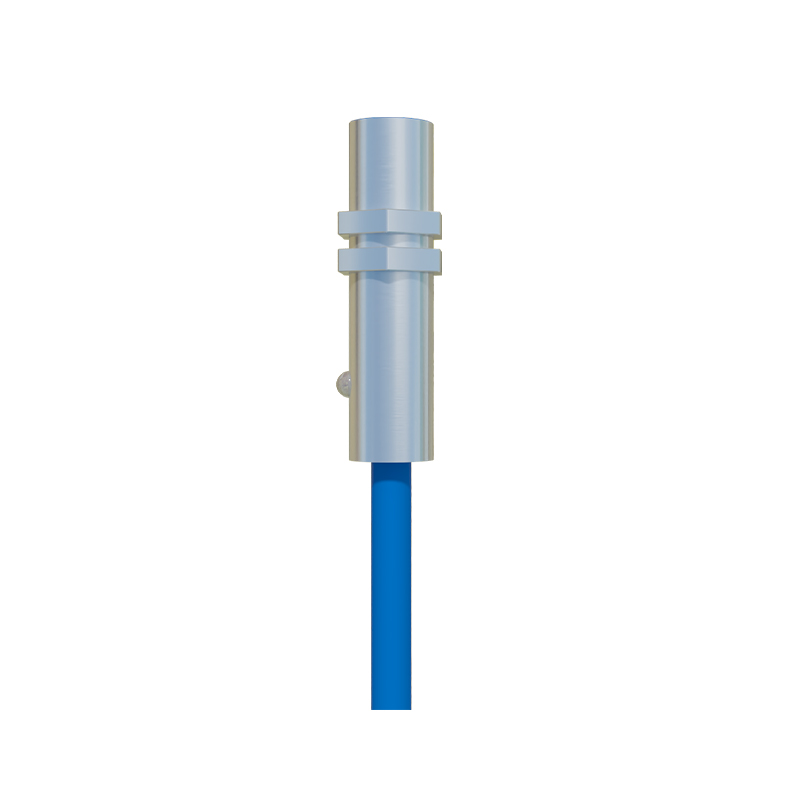
When selecting a Melexis inductive proximity sensor, engineers must consider factors like sensing distance, target material, and output type. Ferrous metals like iron and steel typically yield longer detection ranges compared to non-ferrous metals such as aluminum or copper. Melexis provides detailed datasheets specifying nominal sensing distances, which can range from a few millimeters to several centimeters, depending on the model. Output configurations include NPN, PNP, or push-pull transistors, as well as analog voltage or current signals, allowing seamless integration with PLCs (Programmable Logic Controllers) and other control systems.
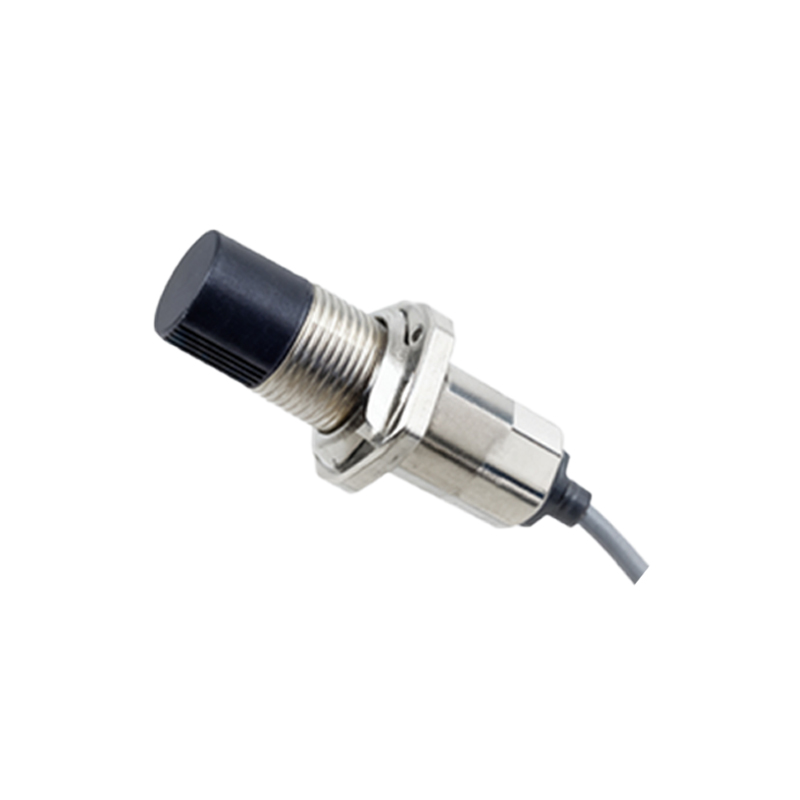
Installation and environmental considerations are also paramount. To ensure optimal performance, sensors should be mounted without interference from adjacent metal objects, and operating temperatures should stay within specified limits, usually between -25°C and 85°C for standard models. Regular calibration and testing are recommended, though Melexis sensors are designed for long-term stability with minimal drift.
Looking ahead, trends in Industry 4.0 and IoT (Internet of Things) are driving innovations in inductive sensing. Melexis is at the forefront, developing sensors with enhanced connectivity features, such as IO-Link compatibility, which enables real-time data exchange and remote configuration. These smart sensors contribute to predictive maintenance strategies and overall system efficiency, aligning with the growing demand for intelligent automation.
In conclusion, Melexis inductive proximity sensors represent a blend of cutting-edge technology and practical engineering, offering reliable solutions for metal detection in challenging industrial environments. Their durability, precision, and adaptability make them a preferred choice for engineers aiming to enhance automation processes. As industries continue to advance, these sensors will undoubtedly play a crucial role in shaping the future of manufacturing and beyond.