Reflective infrared (IR) proximity sensors are pivotal components in automation, robotics, and consumer electronics, enabling non-contact detection of objects by leveraging infrared light. The fundamental principle revolves around the emission and reception of IR radiation. A typical sensor comprises an IR emitter, usually an infrared LED, and a photodetector, such as a phototransistor or photodiode, positioned adjacently. The emitter continuously projects a beam of infrared light. When an object enters the sensor's detection range, this IR light reflects off the object's surface and returns to the photodetector. The photodetector converts the received infrared radiation into an electrical signal, typically a change in current or voltage. This signal is then processed by integrated circuitry or external controllers to determine the presence, absence, or approximate distance of the object.
The effectiveness of detection hinges on several factors. The reflectivity of the target surface is paramount; light-colored, matte surfaces reflect IR diffusely, providing a consistent signal, while dark or glossy surfaces may absorb or specularly reflect the beam, potentially reducing reliability. Sensor design often incorporates modulation techniques to mitigate ambient light interference. The IR emitter is pulsed at a specific frequency, and the receiver circuit is tuned to respond only to signals modulated at that same frequency. This approach significantly enhances immunity to natural or artificial ambient light, ensuring stable operation in varied lighting conditions. Additionally, the sensor's range and sensitivity are adjustable through lens design, emitter power, and detector gain, allowing customization for specific applications, from close-range precision detection to longer-range presence sensing.
Advanced reflective IR sensors integrate digital signal processing for improved accuracy. Time-of-flight (ToF) variants measure the time delay between emission and reception to calculate distance precisely, while triangulation-based sensors use the position of the reflected spot on a detector array to determine proximity. These sophisticated versions find use in applications requiring high precision, such as level sensing in tanks, paper thickness measurement in manufacturing, or gesture recognition in devices.
In industrial settings, these sensors are valued for their durability, fast response times, and lack of mechanical wear. They are employed in conveyor belt systems for object counting, in automated guided vehicles (AGVs) for obstacle avoidance, and in packaging machinery for detecting label positions. In consumer electronics, they enable touchless faucets, automatic soap dispensers, and smartphone screen blanking during calls. The evolution towards miniaturization and integration with IoT platforms is expanding their utility, facilitating smart inventory management and predictive maintenance.
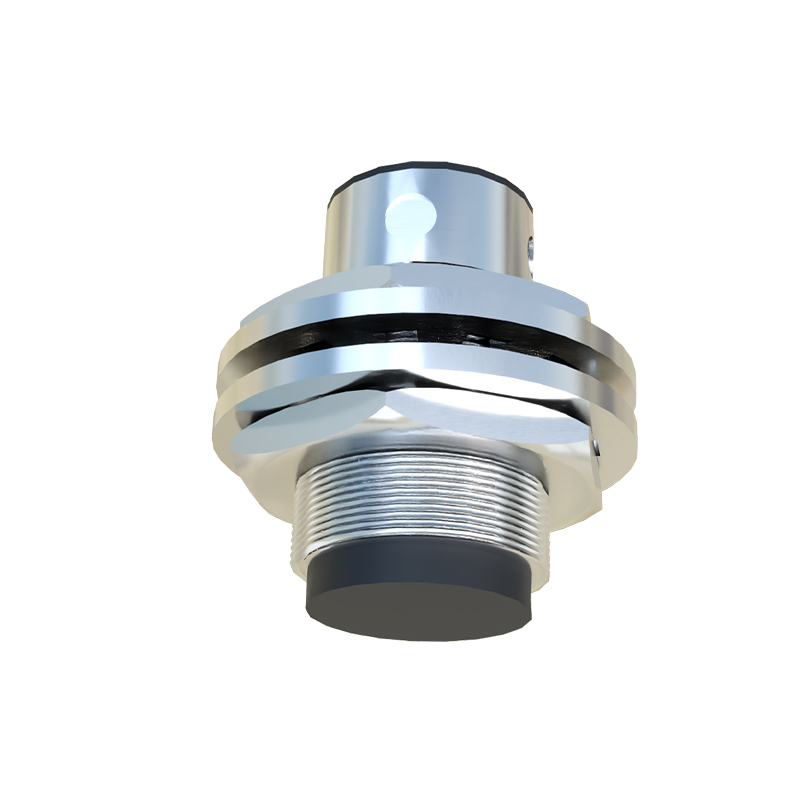
Despite their advantages, limitations exist. Performance can degrade in environments with excessive dust, steam, or highly variable reflectivity surfaces. Regular calibration and environmental shielding are often necessary for optimal operation. Understanding these principles allows engineers to select, configure, and troubleshoot reflective IR proximity sensors effectively, ensuring robust performance across diverse automated systems.