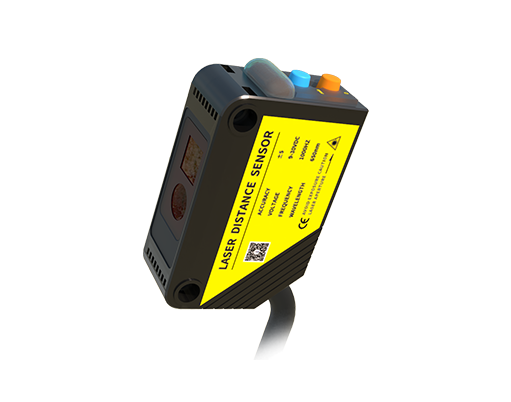
In modern hydraulic engineering, precise water level measurement is critical for flood control, reservoir management, irrigation systems, and environmental monitoring. Traditional methods like float gauges or pressure sensors often face challenges such as mechanical wear, sediment interference, and limited accuracy. Laser distance sensors have emerged as a transformative solution, offering non-contact, high-precision measurement capabilities that enhance operational efficiency and safety in water resource management.
Laser distance sensors operate on the time-of-flight (ToF) principle or phase-shift measurement. A laser diode emits pulsed or continuous-wave light toward the water surface, and the reflected signal is detected by a receiver. By calculating the time delay or phase difference between emission and reception, the sensor determines the distance to the water surface with millimeter-level accuracy. This non-contact approach eliminates issues like corrosion or fouling common in submerged probes, making it ideal for harsh environments with debris, ice, or turbulent flows.
Key advantages of laser sensors in hydraulic applications include their high measurement range (from centimeters to hundreds of meters), fast response times, and minimal maintenance needs. For instance, in dam monitoring, laser sensors can track water level fluctuations in real-time, providing data for spillway control and early flood warnings. In wastewater treatment plants, they optimize pump operations by measuring tank levels without physical contact, reducing contamination risks. Additionally, their compact design allows easy integration into existing SCADA (Supervisory Control and Data Acquisition) systems, enabling remote monitoring and data logging.
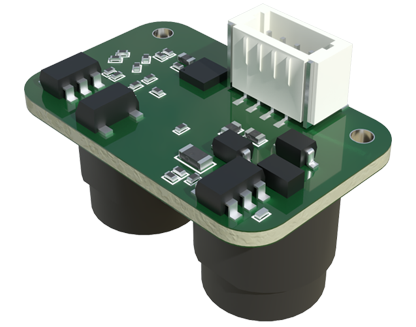
Environmental factors like fog, rain, or surface waves can affect laser accuracy, but advanced models incorporate filtering algorithms and robust housings (IP67-rated or higher) to mitigate these impacts. Regular calibration and installation at stable vantage points—such as bridges or fixed platforms—ensure long-term reliability. Case studies show that laser sensors reduce operational costs by up to 30% compared to mechanical systems, thanks to lower downtime and reduced manual inspections.

Future trends include the integration of IoT connectivity, allowing sensors to transmit data to cloud platforms for predictive analytics. As climate change intensifies water-related challenges, laser distance sensors will play a pivotal role in smart water management, supporting sustainable resource use and disaster prevention. Engineers and project managers should consider laser technology for upgrades or new installations, prioritizing models with industry certifications and environmental adaptability.
In summary, laser distance sensors represent a leap forward in hydraulic measurement, combining precision, durability, and automation to address the evolving demands of water infrastructure. Their adoption aligns with global shifts toward digitalization and resilience in engineering practices.