Laser through-beam sensors, also known as laser photoelectric or laser interruption sensors, are a cornerstone of modern industrial automation. Operating on a straightforward yet highly reliable principle, these sensors consist of two separate units: a laser transmitter and a receiver. The transmitter emits a continuous, focused beam of coherent light, typically in the visible red or infrared spectrum. The receiver, positioned directly opposite, detects this beam. An object passing between the two units interrupts the light beam, causing a change in the receiver's output signal. This simple "beam broken" detection method is the key to their exceptional performance.
The primary advantage of laser through-beam sensors lies in their unparalleled sensing range and precision. Compared to diffuse-reflective or retro-reflective photoelectric sensors, the through-beam configuration allows for the longest possible detection distances, often exceeding 50 meters in ideal conditions. The highly collimated laser beam provides a precise detection point, enabling the sensing of extremely small objects or precise edge detection. This makes them ideal for applications like counting small parts on a high-speed conveyor, detecting the presence of thin wires or fibers, and ensuring precise positioning in assembly machinery.
Furthermore, laser through-beam sensors exhibit remarkable stability and are largely immune to common environmental challenges. The focused beam minimizes the influence of background light, dust, or target surface characteristics (color, reflectivity, texture). Since the receiver detects only the specific light from its paired transmitter, issues like false triggers from reflective surfaces or ambient light are virtually eliminated. This reliability is critical in harsh industrial environments found in manufacturing, packaging, and material handling.
When selecting a laser through-beam sensor for an application, several technical parameters must be considered. The sensing range, or maximum distance between transmitter and receiver, is paramount. The light source type, usually a Class 1 or Class 2 laser for safety, determines visibility and suitability for alignment. Output configuration (PNP/NPN, NO/NC) must match the control system's PLC or controller. Enclosure rating (e.g., IP67 for dust and water resistance) ensures durability. Modern variants also offer features like built-in alignment indicators, adjustable sensitivity, and synchronization capabilities to prevent crosstalk in multi-sensor setups.
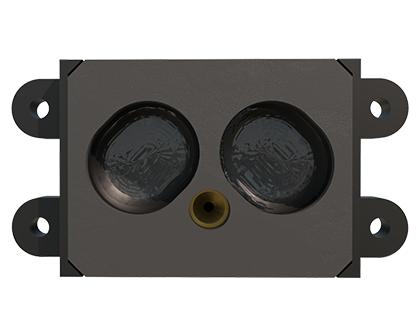
Typical applications span numerous industries. In packaging, they detect missing labels or monitor fill levels by sensing the height of products. In automotive assembly, they verify the presence of tiny components like pins or springs. In electronics manufacturing, they ensure precise placement of circuit boards. On conveyor systems, they provide accurate object counting and jam detection. Their long range also facilitates large-area monitoring, such as gate or door security and perimeter guarding for machinery safety.
Installation and alignment, while conceptually simple, require attention to detail. The transmitter and receiver must be securely mounted in perfect opposition. Many models feature bright visible laser spots and audible or visual alignment aids on the receiver to simplify this process. Proper alignment is crucial for maximizing operational range and signal stability. Regular maintenance involves keeping the lenses clean from obstructions like dirt, oil, or debris to maintain optimal performance.
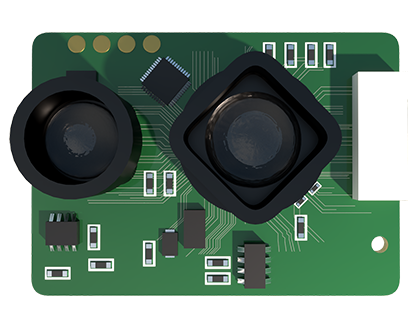
In conclusion, laser through-beam sensors offer a robust, long-range, and precise solution for object detection challenges in automation. Their immunity to target surface properties and environmental factors, combined with high speed and accuracy, makes them an indispensable tool for engineers designing reliable and efficient automated systems. As technology advances, we see integration with IO-Link for digital parameterization and diagnostics, further enhancing their role in the evolving landscape of smart factories and Industry 4.0.