The CYB02546X proximity sensor represents a significant advancement in industrial sensing technology, designed to deliver high precision, reliability, and durability in demanding environments. As an inductive proximity sensor, it operates on the principle of electromagnetic induction to detect metallic objects without physical contact, making it ideal for automation, robotics, and manufacturing processes. This article delves into the technical specifications, operational benefits, and practical applications of the CYB02546X, providing insights for engineers and industry professionals seeking to optimize their systems.
One of the standout features of the CYB02546X is its robust construction, which ensures consistent performance under harsh conditions. Encased in a stainless-steel housing, the sensor is resistant to corrosion, moisture, and mechanical impacts, allowing it to function effectively in industries such as automotive, packaging, and material handling. Its IP67 rating guarantees protection against dust and temporary immersion in water, making it suitable for outdoor or wet environments. Additionally, the sensor operates across a wide temperature range, typically from -25°C to 70°C, ensuring stability in varying climatic conditions.
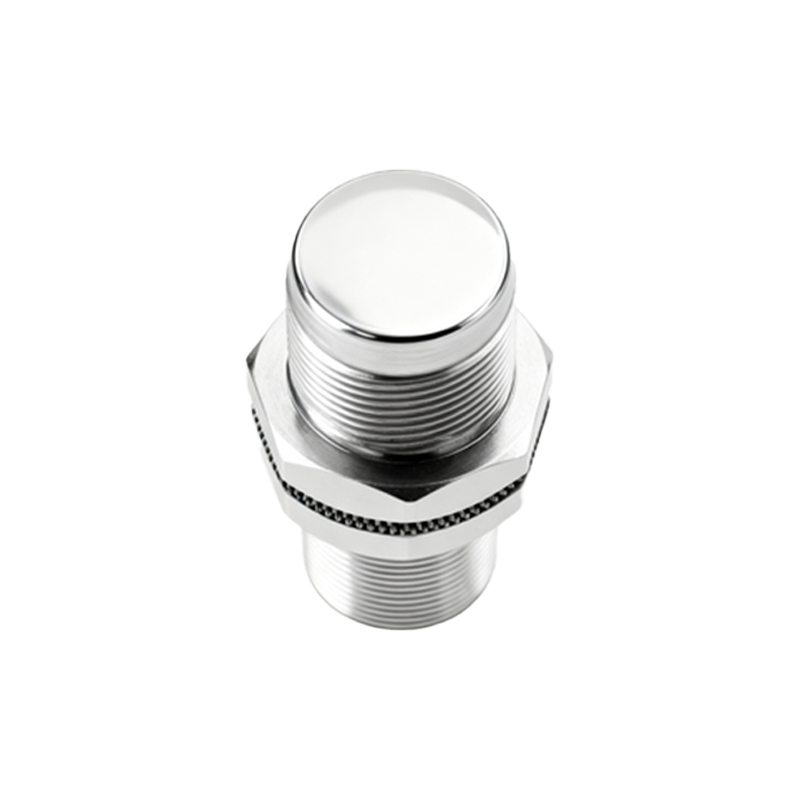
In terms of technical performance, the CYB02546X offers a sensing range of up to 15 mm, depending on the target material and size. It utilizes a high-frequency oscillation circuit to detect ferrous and non-ferrous metals, with a response time of less than 1 millisecond, enabling rapid detection in high-speed applications. The sensor outputs a digital signal, typically in NPN or PNP configurations, compatible with PLCs (Programmable Logic Controllers) and other control systems. Its low current consumption and LED status indicator enhance energy efficiency and ease of maintenance, reducing downtime in production lines.
The CYB02546X is engineered for versatility, with multiple mounting options and form factors to suit diverse installation needs. Its compact design allows for integration into tight spaces, while shielded and unshielded variants provide flexibility in avoiding interference from adjacent metal objects. Engineers can select from different cable lengths and connector types to streamline wiring and reduce installation costs. Furthermore, the sensor's immunity to electrical noise and vibration ensures accurate readings in electrically noisy industrial settings, minimizing false triggers and improving overall system reliability.
Applications of the CYB02546X span various sectors, highlighting its adaptability. In automotive manufacturing, it is used for part positioning, robotic arm control, and assembly verification, enhancing precision and safety. In packaging machinery, the sensor detects product presence, counts items, and monitors conveyor belt movements, boosting efficiency and reducing waste. For material handling systems, it aids in palletizing, sorting, and inventory management, supporting seamless logistics operations. Its durability also makes it a preferred choice in heavy industries like steel production, where it withstands extreme temperatures and abrasive conditions.
To maximize the benefits of the CYB02546X, proper installation and calibration are crucial. Users should consider factors such as target material, sensing distance, and environmental interferences during setup. Regular maintenance, including cleaning the sensing face and checking electrical connections, can prolong the sensor's lifespan. As industries move toward Industry 4.0 and smart manufacturing, the CYB02546X can be integrated into IoT (Internet of Things) networks for real-time monitoring and predictive maintenance, contributing to data-driven decision-making and operational excellence.
In conclusion, the CYB02546X proximity sensor stands out as a reliable and efficient solution for modern industrial automation. Its combination of rugged design, fast response, and flexible integration makes it a valuable asset in improving productivity and reducing operational costs. By understanding its features and applications, engineers can leverage this sensor to enhance system performance and drive innovation in their respective fields.