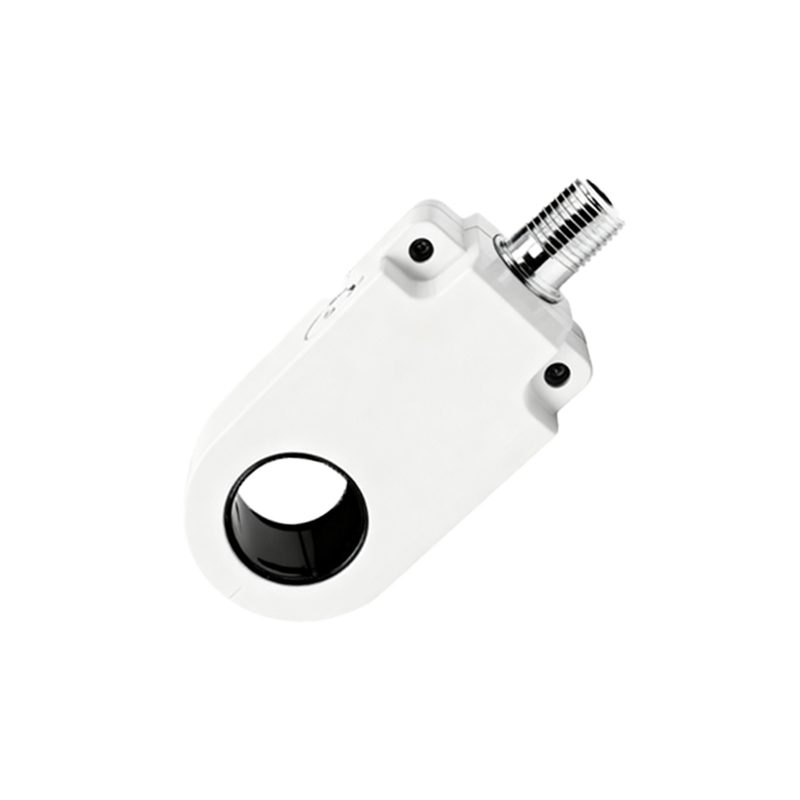
In the intricate dance of modern automation and smart systems, there exists a class of silent, vigilant sentinels. These are proximity sensor agents, sophisticated components that bridge the physical and digital worlds by detecting the presence, absence, or position of nearby objects without any physical contact. Their role is fundamental, yet often overlooked, serving as the critical first point of data acquisition in countless applications.
At its core, a proximity sensor agent is more than just the sensor hardware itself. It represents an integrated system—a combination of the sensing element, signal conditioning circuitry, and often embedded intelligence or communication protocols that allow it to act as an autonomous "agent." This agentic capability means it can not only detect an object but also make preliminary decisions or trigger specific actions based on pre-defined parameters. For instance, in an automotive assembly line, an inductive proximity sensor agent might detect a metal component's correct positioning and immediately send a verified "go" signal to the robotic welder, all within milliseconds. This localized decision-making reduces latency and central processor load, enhancing overall system efficiency and reliability.
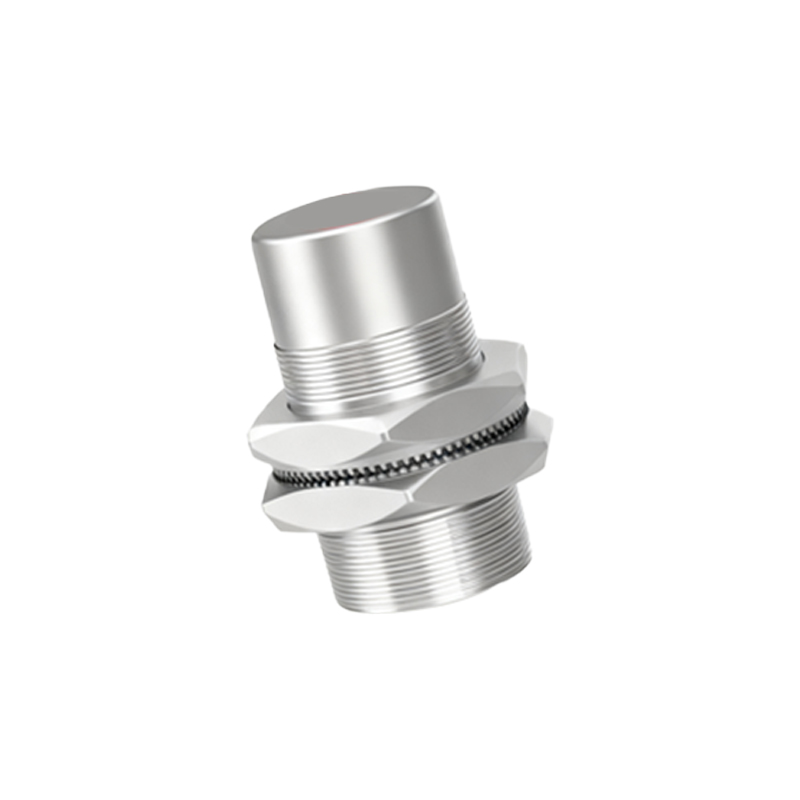
The technology underpinning these agents is diverse, tailored to specific environmental and operational needs. Inductive sensors are the workhorses for detecting metallic objects, generating an electromagnetic field to sense ferrous and non-ferrous metals. Capacitive sensors, on the other hand, can detect a wider range of materials, including liquids, plastics, and wood, by measuring changes in capacitance. For longer ranges or precise positioning, ultrasonic sensors emit sound waves, while photoelectric sensors use beams of light. The "agent" aspect is empowered by microcontrollers and integrated circuits that process the raw signal, compensate for environmental factors like temperature or contamination, and communicate via industry-standard protocols like IO-Link, PROFINET, or simple digital outputs.
The applications are virtually limitless. In consumer electronics, a miniature infrared proximity sensor agent in a smartphone manages display behavior during calls, conserving battery by turning off the screen when held to the ear. In industrial settings, they are the backbone of safety systems, ensuring a protective door is sealed before heavy machinery activates. They count products on high-speed packaging lines, control the fill levels in tanks without touching the liquid, and guide automated guided vehicles (AGVs) through warehouses by sensing navigational markers. In the emerging realm of the Internet of Things (IoT), these agents become intelligent nodes, reporting their status and collected data to cloud platforms for predictive maintenance and system-wide analytics.
The advantages of employing a proximity sensor agent philosophy are substantial. Reliability is paramount; their non-contact nature eliminates mechanical wear and tear, ensuring a long operational life. Speed is another critical factor, as they provide near-instantaneous response, which is essential for high-throughput manufacturing. Furthermore, their ability to operate in harsh environments—resisting dust, moisture, vibrations, and extreme temperatures—makes them indispensable for outdoor, automotive, and heavy industrial applications. By embedding basic logic, they decentralize control, leading to more robust and fault-tolerant system architectures.
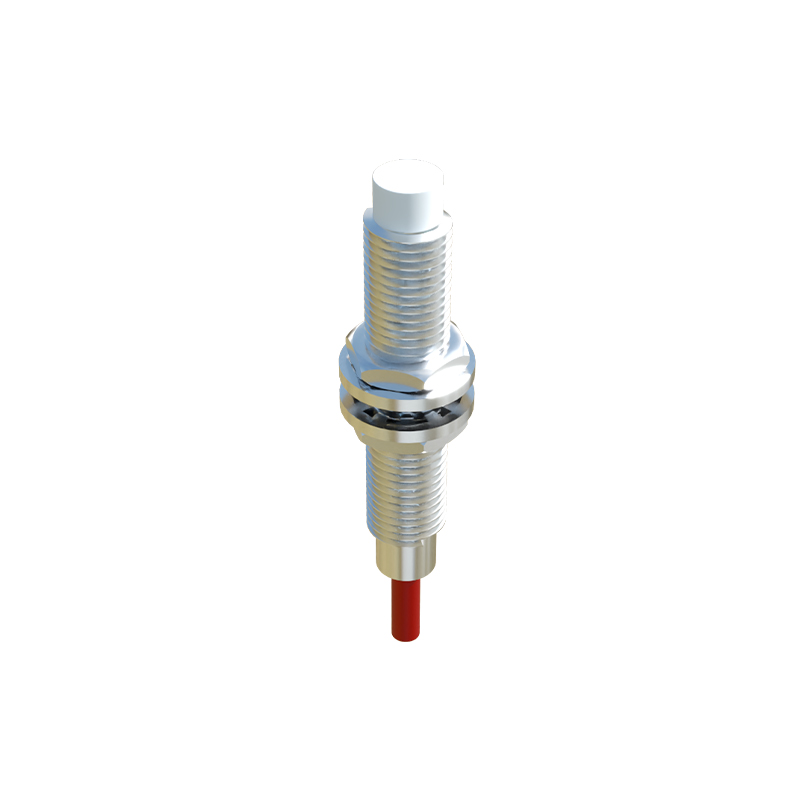
Looking forward, the evolution of proximity sensor agents is tightly linked with trends in miniaturization, energy efficiency, and enhanced intelligence. The integration of Artificial Intelligence at the edge, though not in a speculative sense but as a practical engineering progression, will enable more sophisticated pattern recognition and anomaly detection directly at the sensor level. For example, an agent could learn the normal vibration signature of a passing machine part and alert operators to deviations indicative of wear. Advances in materials science may lead to sensors that are smaller, more sensitive, and even flexible, opening new applications in wearable technology and biomedical devices.
Selecting the right proximity sensor agent requires careful consideration of the target material, required sensing distance, environmental conditions, output needs, and response speed. Engineers must balance performance specifications with cost constraints. The ongoing standardization of communication interfaces is simplifying integration, fostering a plug-and-produce environment that reduces commissioning time and boosts flexibility in smart factories.
In conclusion, proximity sensor agents are far from simple switches. They are intelligent, adaptive interfaces that provide the essential context of "where" and "if" to automated systems. As industries stride towards greater autonomy and interconnectedness, these invisible guardians will continue to be pivotal, ensuring precision, safety, and efficiency. Their silent vigilance enables the visible marvels of modern technology, making them unsung heroes in an increasingly automated world.