In the realm of industrial automation and control systems, the 24V proximity sensor stands as a cornerstone component, renowned for its reliability and widespread compatibility. As a seasoned electrical engineer, I often field the question: "How good are 24V proximity sensors, really?" The answer is multifaceted, rooted in their design principles, performance characteristics, and integration within modern industrial environments.
Fundamentally, a 24V proximity sensor is a non-contact electronic device that detects the presence or absence of a target object within its sensing range. Operating on a 24V DC supply—the de facto standard voltage for control circuits in industrial machinery—these sensors convert detection events into clean electrical switching signals. Their "goodness" is first evidenced by their inherent safety and compatibility. The 24VDC level is considered safe for low-voltage control circuits, reducing risks associated with electrical shock during installation or maintenance. Moreover, this voltage aligns perfectly with Programmable Logic Controller (PLC) input modules and other industrial control devices, eliminating the need for additional signal conditioning or voltage converters in most setups.
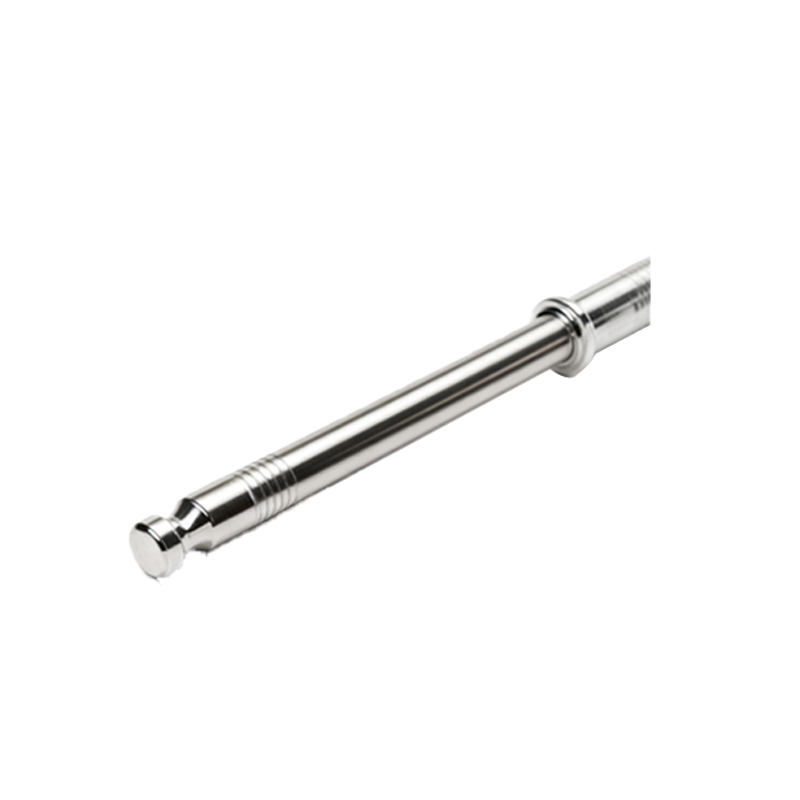
Performance-wise, 24V DC proximity sensors excel in several key areas. Their switching speed is exceptionally high, often capable of detecting objects at frequencies reaching several kilohertz. This makes them ideal for high-speed counting, positioning, and inspection tasks on fast-moving production lines. The sensing distance, while varying by type (inductive for metals, capacitive for non-metals, and ultrasonic for various materials), is precise and repeatable, ensuring consistent operation. A significant advantage is their immunity to environmental factors. High-quality 24V sensors are typically housed in robust casings made of nickel-plated brass, stainless steel, or PBT plastic, offering high degrees of protection (IP67, IP69K) against dust, moisture, oils, and coolants. They perform reliably in temperature ranges from -25°C to 70°C, suiting harsh factory floors.
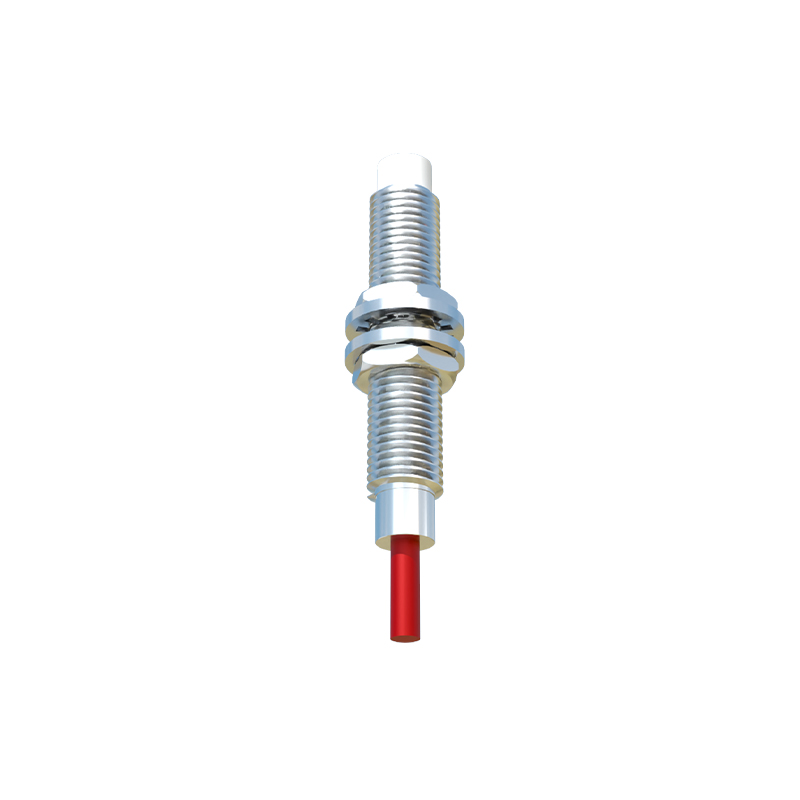
From an electrical design perspective, the 24V DC operation offers stable performance with minimal voltage drop over long cable runs compared to lower voltage sensors. They commonly feature short-circuit and reverse polarity protection, safeguarding both the sensor and the control system from wiring errors. The output configurations are versatile: NPN (sinking) and PNP (sourcing) transistor outputs, as well as analog (4-20mA or 0-10V) and IO-Link digital versions for Industry 4.0 applications. The NPN and PNP types, with their three-wire connection, provide a clear, bounce-free signal crucial for PLC logic.
When discussing "how good" they are, their durability is paramount. With no moving mechanical parts and no physical contact with the target, they suffer virtually no wear from the sensing action itself. Their mean time between failures (MTBF) is remarkably high, leading to reduced downtime and maintenance costs. This solid-state reliability is a primary reason for their dominance over mechanical limit switches.
However, a balanced assessment must consider limitations. Inductive sensors, the most common 24V type, only detect metallic objects. For non-metallic targets, capacitive or photoelectric sensors at 24V are required. The sensing range, though precise, is relatively short compared to some photoelectric sensors. Furthermore, extremely thin or small metallic objects might challenge detection limits. Electromagnetic interference (EMI) from nearby motors or frequency converters can occasionally affect performance, though shielded models and proper installation practices mitigate this.
In practical application, selecting the right 24V sensor involves careful consideration of the target material, required sensing distance, environmental conditions, output type needed, and housing form factor (cylindrical, rectangular, etc.). Proper installation is critical—ensuring the correct gap, avoiding sensor-to-sensor interference, and using shielded cables in noisy environments.
In conclusion, 24V DC proximity sensors are exceptionally good at what they are designed for: providing robust, reliable, and precise non-contact detection in industrial settings. Their synergy with standard control voltages, combined with high-speed operation, environmental resilience, and excellent longevity, makes them an indispensable component in automation. While not a universal solution for every detection problem, their performance profile offers an optimal balance of cost, reliability, and functionality for a vast array of applications, from packaging machinery and automotive assembly to material handling and beyond. Their continued evolution with smart features like IO-Link further cements their role in the connected factories of today and tomorrow.