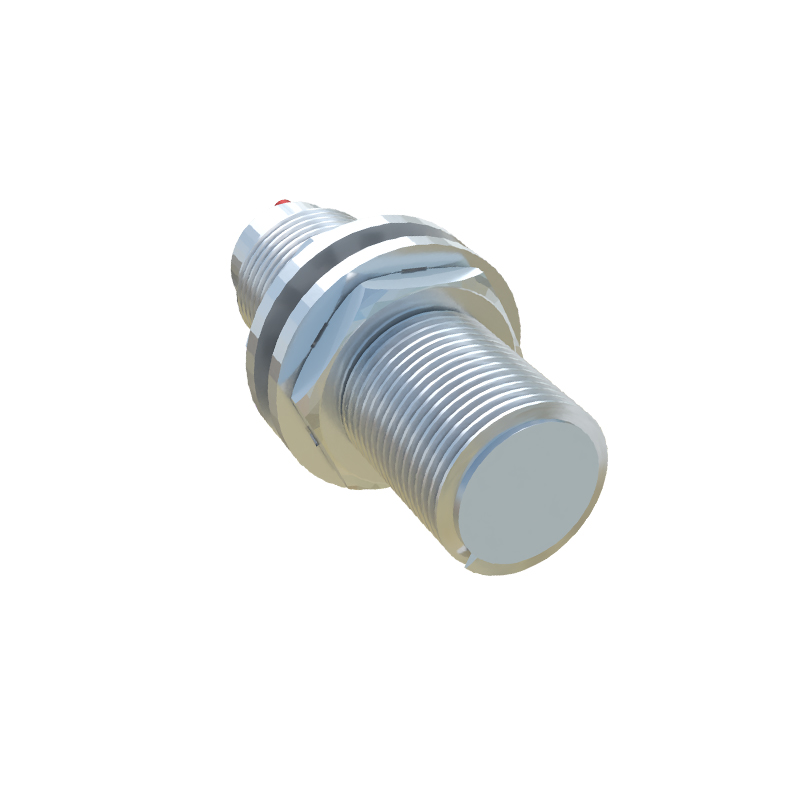
Proximity photoelectric sensors are pivotal components in modern industrial automation, offering non-contact detection capabilities essential for precision, safety, and efficiency. These sensors operate by emitting a light beam—typically infrared, visible red, or laser—and detecting changes in the received light to sense the presence, absence, or position of an object. Unlike mechanical switches, they provide rapid response times, high repeatability, and minimal wear, making them ideal for harsh environments with dust, moisture, or vibration.
Detection equipment utilizing proximity photoelectric sensors includes diffuse, retro-reflective, and through-beam types, each suited to specific applications. Diffuse sensors detect objects by measuring reflected light from the target itself, ideal for short-range detection where mounting space is limited. Retro-reflective sensors use a reflector to bounce light back to the receiver, enabling longer ranges and reliable operation even with irregular surfaces. Through-beam sensors, with separate emitter and receiver units, offer the longest detection distances and highest accuracy, commonly used in conveyor systems for object counting or positioning.
Key performance parameters in selecting these sensors involve sensing range, response time, light source type, and environmental ratings. For instance, infrared sensors excel in low-light conditions, while laser variants provide pinpoint accuracy for minute objects. Industrial-grade sensors often feature IP67 or higher protection against water and dust, with temperature tolerances from -25°C to 70°C, ensuring durability in manufacturing plants or outdoor settings. Advanced models incorporate background suppression technology to ignore distant objects, or polarized filters to reduce false triggers from reflective surfaces like metal.
In practice, proximity photoelectric sensors are integral to automated assembly lines, packaging machinery, robotics, and safety systems. They enable precise part detection in automotive manufacturing, monitor fill levels in bottling processes, and trigger emergency stops in machinery guards. Regular calibration and maintenance, such as lens cleaning and alignment checks, are crucial to sustain optimal performance. Emerging trends include IO-Link connectivity for real-time diagnostics and smart sensors with adaptive thresholds, enhancing Industry 4.0 integration.
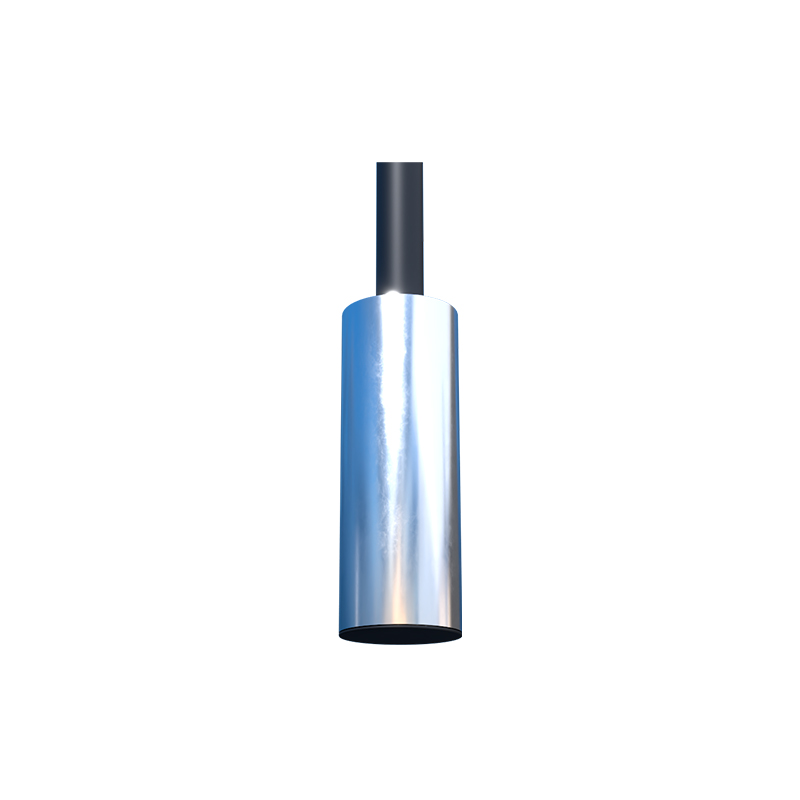
Overall, the reliability and versatility of proximity photoelectric sensors make them indispensable in industrial detection equipment. By understanding their operating principles and application nuances, engineers can optimize system design for enhanced productivity and reduced downtime, driving forward the automation landscape.