Square proximity sensors are widely used in industrial automation for their compact design and reliable performance. These sensors detect the presence or absence of objects without physical contact, making them ideal for harsh environments where durability and precision are crucial. This article explores the main types of square proximity sensors, accompanied by images to illustrate their features and applications.
1. Inductive Square Proximity Sensors
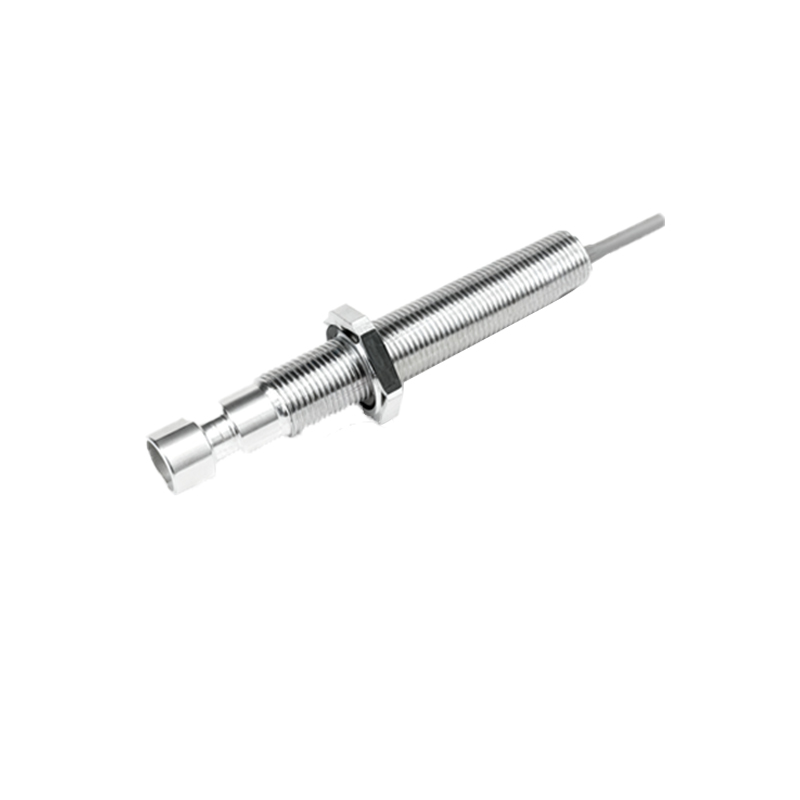
Inductive square proximity sensors are designed to detect metallic objects. They operate by generating an electromagnetic field; when a metal object enters this field, it causes a change in oscillation, triggering the sensor. These sensors are commonly used in manufacturing lines for position detection, counting metal parts, or monitoring machinery. Key features include high switching frequency, resistance to dust and moisture, and typically short sensing ranges (up to 40 mm). An image of an inductive square sensor shows a robust housing with an LED indicator for status monitoring, often in IP67-rated enclosures for industrial use.
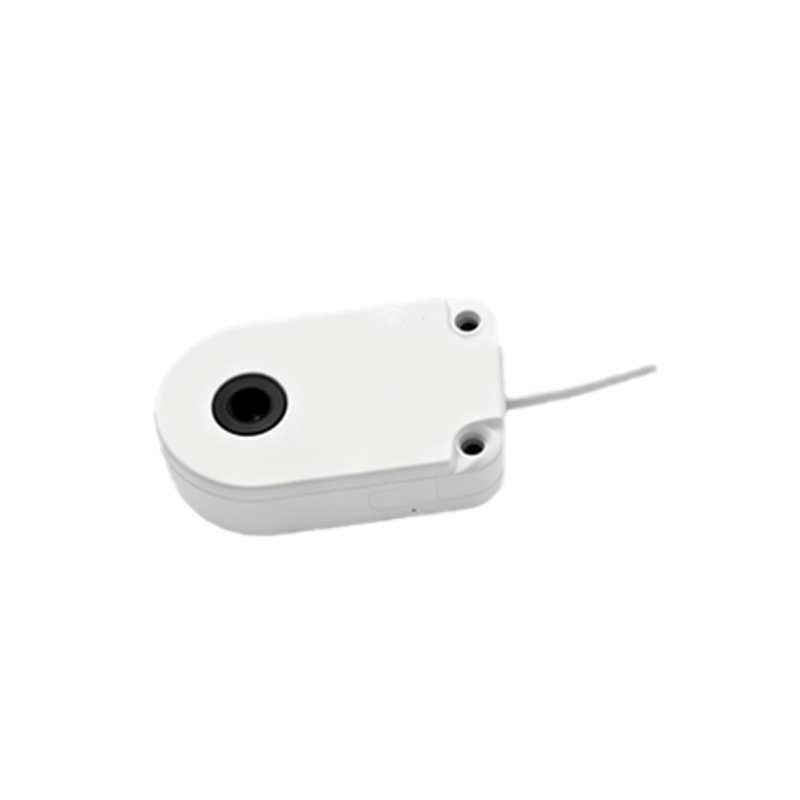
2. Capacitive Square Proximity Sensors
Capacitive square proximity sensors can detect both metallic and non-metallic materials, such as liquids, plastics, or wood. They work by measuring changes in capacitance when an object enters their electrostatic field. These sensors are versatile, suitable for level detection in tanks, material handling, or packaging systems. They often have adjustable sensitivity to handle different materials. An image depicts a capacitive square sensor with a smooth face for easy cleaning, commonly used in food processing or pharmaceutical industries where hygiene is critical.
3. Ultrasonic Square Proximity Sensors
Ultrasonic square proximity sensors use sound waves to detect objects, measuring the time taken for an echo to return. They are effective for a wide range of materials and can operate in challenging conditions like fog or dust. Applications include distance measurement, object detection in logistics, and automated guided vehicles. An image shows a square ultrasonic sensor with a transducer face, often integrated into compact housings for space-constrained installations.
4. Photoelectric Square Proximity Sensors
Photoelectric square proximity sensors employ light beams (infrared or laser) to sense objects. They come in through-beam, retro-reflective, or diffuse reflective types, offering longer sensing distances compared to inductive or capacitive sensors. These are used in conveyor systems, safety barriers, or electronic assembly lines. An image highlights a square photoelectric sensor with a lens and alignment indicators, designed for precise detection in automated environments.
5. Magnetic Square Proximity Sensors
Magnetic square proximity sensors detect magnetic fields, typically from permanent magnets. They are used in applications like door position sensing in machinery or cylinder position detection in pneumatic systems. These sensors are highly reliable and immune to environmental factors like dirt or vibration. An image features a square magnetic sensor with a compact design, often used in conjunction with moving parts in industrial equipment.
When selecting a square proximity sensor, consider factors such as sensing range, material compatibility, environmental conditions (e.g., temperature, humidity), and output type (e.g., NPN, PNP, analog). Installation tips include ensuring proper alignment, avoiding interference from other electrical devices, and regular maintenance for optimal performance. In summary, square proximity sensors offer diverse solutions for automation needs, with each type providing unique advantages based on the application. Images help users identify the right sensor for their specific requirements, enhancing efficiency and safety in industrial operations.