In the intricate world of industrial automation, proximity sensors are the silent, indispensable sentinels. They detect the presence or absence of objects without physical contact, enabling precise control, safety, and efficiency in countless applications. A common and critical question for engineers, system integrators, and procurement specialists is: "Which company makes proximity sensors?" The answer is not singular, as the market is served by a robust ecosystem of global leaders and specialized manufacturers, each offering distinct technologies, strengths, and application expertise.
The landscape of proximity sensor manufacturers is broadly divided into multinational automation conglomerates and focused sensor technology specialists. Among the most prominent global players is Sick AG. Headquartered in Germany, Sick is a powerhouse in sensor intelligence, offering an exceptionally wide portfolio. Their inductive, capacitive, ultrasonic, and magnetic proximity sensors are renowned for high precision, durability in harsh environments, and advanced diagnostic capabilities. For heavy-duty and mission-critical applications, Sick is often a top-tier choice.
Another European giant, Pepperl+Fuchs, is virtually synonymous with industrial sensor technology, particularly in process automation and intrinsic safety. Their expertise in developing sensors for hazardous areas (ATEX, IECEx) is unparalleled. Pepperl+Fuchs provides a comprehensive range of inductive, capacitive, and ultrasonic sensors known for their robust housing designs, high switching frequencies, and exceptional reliability in challenging conditions involving dust, moisture, or explosive atmospheres.
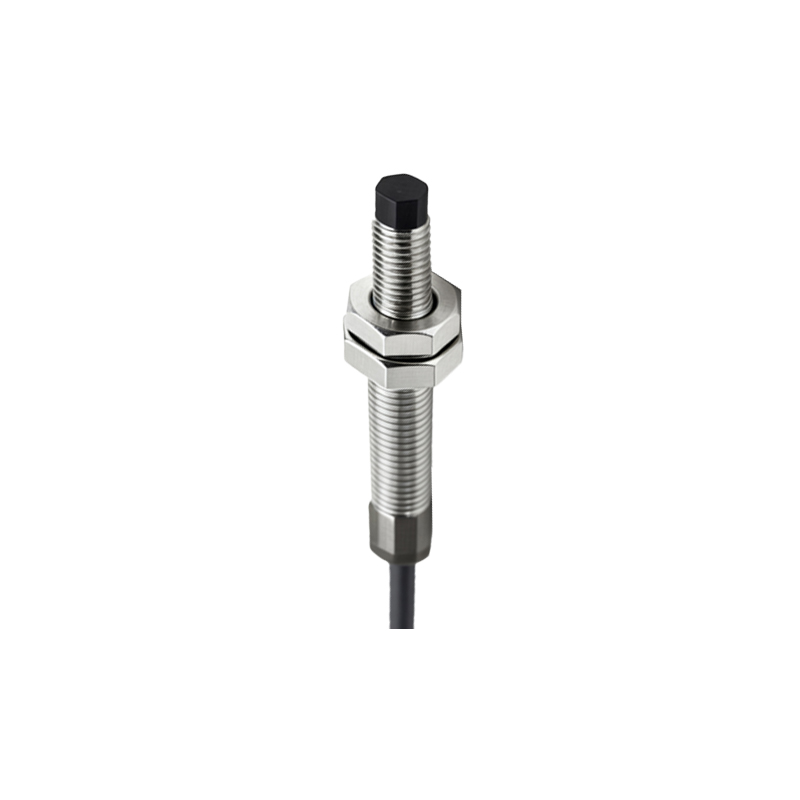
From the United States, Rockwell Automation (Allen-Bradley) stands as a dominant force, especially within integrated control system architectures. Their proximity sensors are designed for seamless compatibility with Allen-Bradley PLCs and Logix control systems. This native integration simplifies wiring, configuration, and diagnostics within a Rockwell ecosystem, making them a preferred choice for OEMs and end-users heavily invested in this platform. Their product line emphasizes ease of use and network connectivity.
Omron Corporation, a Japanese multinational, is a foundational name in factory automation. Omron's proximity sensors are celebrated for their miniaturization, high performance, and innovation. They were a pioneer in developing compact, embeddable sensors and continue to lead in areas like factor-1 (all-metal sensing) inductive sensors and long-distance models. Omron offers exceptional value and reliability for a vast array of general automation tasks, from machine tools to packaging equipment.
Balluff GmbH, a German family-owned company, has carved a significant niche with a strong focus on sensor solutions for factory and logistics automation. Balluff is highly regarded for its innovative form factors, such as rectangular and ring-shaped sensors, and its pioneering work in industrial identification (RFID) and IO-Link communication. Their proximity sensors often feature smart functionalities, allowing for parameter setting and condition monitoring directly from the controller, which is crucial for Industry 4.0 applications.
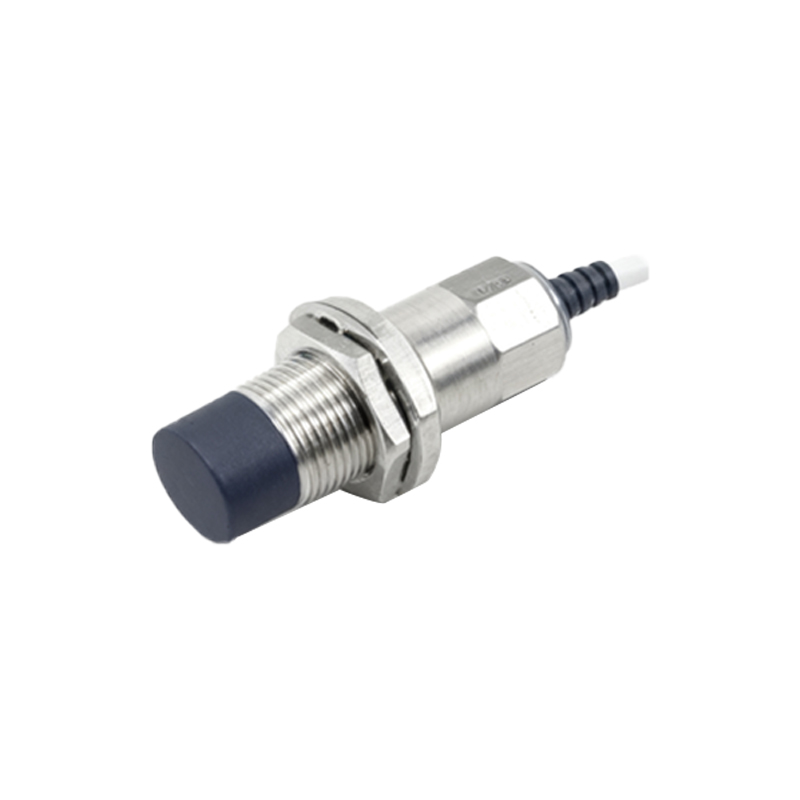
Beyond these giants, several other key manufacturers merit attention. IFM Electronic is renowned for its system-oriented approach and user-friendly diagnostic features. Turck offers a vast selection of sensors with exceptional ingress protection ratings and connectivity options, including multiprotocol blocks. Keyence, while often associated with high-end measurement sensors, also produces extremely advanced and sensitive proximity sensors for specialized inspection and positioning tasks. Schneider Electric (Telemecanique Sensors) and Siemens also provide robust sensor lines that integrate well within their respective automation suites.
Selecting the right manufacturer depends on a matrix of application-specific factors. Key considerations include:
Sensing Technology: Inductive (for metals), Capacitive (for non-metals, liquids), Ultrasonic (for distance and level), or Magnetic (for cylinder position).
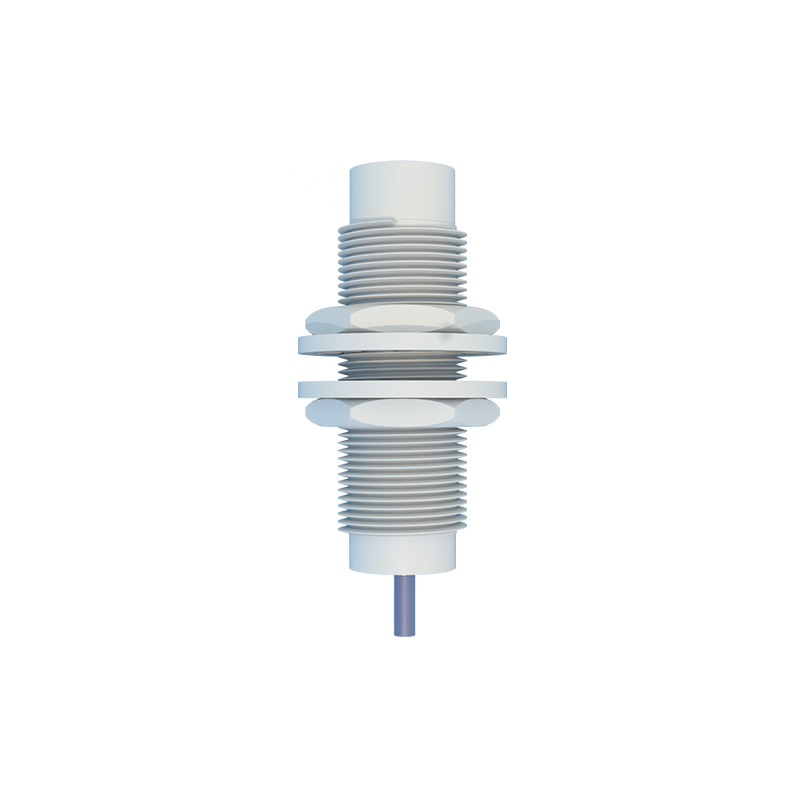
Performance Specifications: Sensing distance, switching frequency, temperature range, and resistance to environmental factors like washdowns, welding spatter, or chemicals.
Electrical Output: NPN/PNP, NO/NC, analog, or IO-Link.
Form Factor and Mounting: Cylindrical, rectangular, or specialized shapes to fit spatial constraints.
System Integration: Compatibility with existing PLCs, networks, and software tools.
Industry & Certification Requirements: Food-grade (FDA, EHEDG), hazardous area (ATEX), or specific automotive standards.
In conclusion, the question of which company makes proximity sensors reveals a diverse and competitive field. For rugged, high-performance sensing in complex environments, Sick or Pepperl+Fuchs are exemplary. For seamless integration within a Rockwell or Siemens control system, choosing the native brand offers significant advantages. For innovative, compact designs and smart sensor capabilities, Omron and Balluff are leaders. Ultimately, the "best" manufacturer is determined by the precise technical requirements, environmental conditions, and strategic automation architecture of the application. A thorough evaluation of specifications from these leading companies is the engineer's pathway to