Laser sensors have become indispensable tools across various industrial sectors due to their precision, reliability, and versatility. These devices operate by emitting a laser beam and measuring the time it takes for the reflection to return, enabling accurate distance, position, and dimension measurements. One of the most prominent applications is in manufacturing and automation, where laser sensors are used for quality control. For instance, in automotive assembly lines, they verify component alignment, detect defects in body panels, and ensure precise placement of parts like engines and transmissions. The non-contact nature of laser sensors prevents damage to sensitive surfaces, making them ideal for inspecting finished products such as electronics or machined components.
In logistics and warehousing, laser sensors facilitate automated guided vehicles (AGVs) and robotic systems by providing real-time navigation and obstacle detection. They help AGVs map their surroundings, avoid collisions, and optimize path planning, thereby enhancing efficiency in distribution centers. Additionally, laser sensors are employed in inventory management to measure stock levels in silos or containers, ensuring accurate monitoring without physical intrusion. This application is crucial in industries handling bulk materials like grains, chemicals, or pharmaceuticals, where manual measurements can be hazardous or imprecise.
The construction and civil engineering fields also benefit from laser sensors, particularly in surveying and alignment tasks. They are used to measure distances for land mapping, monitor structural deformations in bridges or buildings, and guide heavy machinery during excavation or grading. For example, laser level sensors ensure that foundations are perfectly horizontal, while distance sensors help in creating 3D models of construction sites. This reduces human error and accelerates project timelines, contributing to safer and more cost-effective operations.
Another key application is in the medical and healthcare industry, where laser sensors enable high-precision diagnostics and treatment. In imaging systems like CT scanners or surgical robots, they assist in positioning patients and instruments with sub-millimeter accuracy. Laser-based sensors also monitor vital signs, such as respiratory rates, by detecting subtle chest movements, offering a non-invasive alternative to traditional methods. Furthermore, they are integrated into laboratory equipment for analyzing biological samples, ensuring consistent results in research and diagnostics.
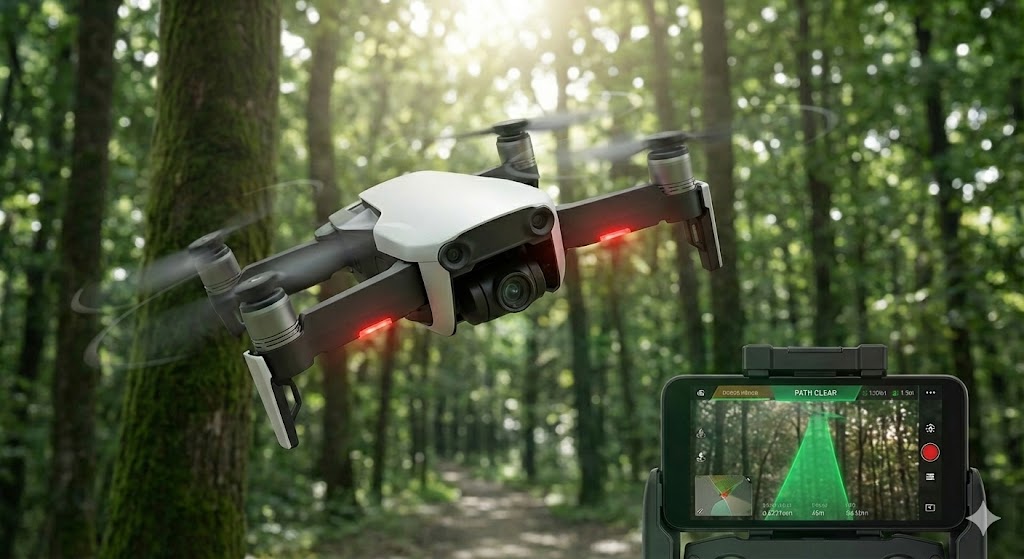
Environmental monitoring and agriculture have seen growing adoption of laser sensors as well. In agriculture, they are used for crop health assessment by measuring plant height and density, enabling targeted irrigation and fertilization. Drones equipped with laser sensors can survey large fields, identifying areas affected by pests or drought. For environmental purposes, these sensors detect air pollution levels by analyzing particulate matter concentrations or monitor water quality through light scattering techniques. This data supports sustainable practices and regulatory compliance.
Despite their advantages, laser sensors face challenges such as sensitivity to ambient light, dust, or reflective surfaces, which can affect accuracy. However, advancements in technology, including adaptive algorithms and protective housings, are mitigating these issues. As industries continue to embrace automation and data-driven decision-making, the demand for laser sensors is expected to rise. Future trends may include miniaturization for portable devices, integration with IoT networks for smart factories, and enhanced capabilities in harsh environments like mining or aerospace.
In summary, laser sensors play a critical role in enhancing productivity, safety, and innovation across diverse sectors. Their ability to deliver precise, non-contact measurements makes them valuable for applications ranging from manufacturing and logistics to healthcare and agriculture. By understanding these common uses, engineers and industry professionals can leverage laser sensors to optimize processes and drive technological progress. As research and development continue, these devices will likely expand into new areas, further solidifying their importance in the modern industrial landscape.