In the realm of industrial automation and control systems, proximity switches and speed sensors stand as critical components that ensure precision, safety, and efficiency. These devices, though often operating behind the scenes, play pivotal roles in monitoring and controlling machinery across various sectors, including manufacturing, automotive, aerospace, and energy. Understanding their functionality, types, and applications is key to optimizing industrial processes.
Proximity switches, also known as proximity sensors, are non-contact devices that detect the presence or absence of an object within a specified range without physical contact. They operate based on different principles, such as electromagnetic, capacitive, or inductive technologies. Inductive proximity switches, for instance, are commonly used to detect metallic objects by generating an electromagnetic field. When a metal object enters this field, it induces eddy currents, causing a change in the sensor's oscillation amplitude, which triggers a switch signal. These sensors are highly reliable in harsh environments, resistant to dust, moisture, and vibrations, making them ideal for applications like conveyor systems, robotic arms, and machine tools. Capacitive proximity switches, on the other hand, can detect both metallic and non-metallic materials, including liquids and plastics, by sensing changes in capacitance. They are often employed in level detection, packaging, and material handling.
Speed sensors, or tachometers, are designed to measure the rotational or linear speed of moving parts. They are essential for monitoring machinery performance, preventing overspeed conditions, and ensuring synchronization in automated systems. Common types include magnetic speed sensors, optical encoders, and Hall effect sensors. Magnetic speed sensors, for example, use a magnet and coil to generate a voltage pulse as a gear tooth or other ferromagnetic object passes by, with the frequency of pulses corresponding to speed. Optical encoders utilize light beams and photodetectors to count rotations or linear movements, offering high accuracy for precision tasks like CNC machining and robotics. Hall effect sensors detect changes in magnetic fields to measure speed, often found in automotive applications for wheel speed detection or engine control.
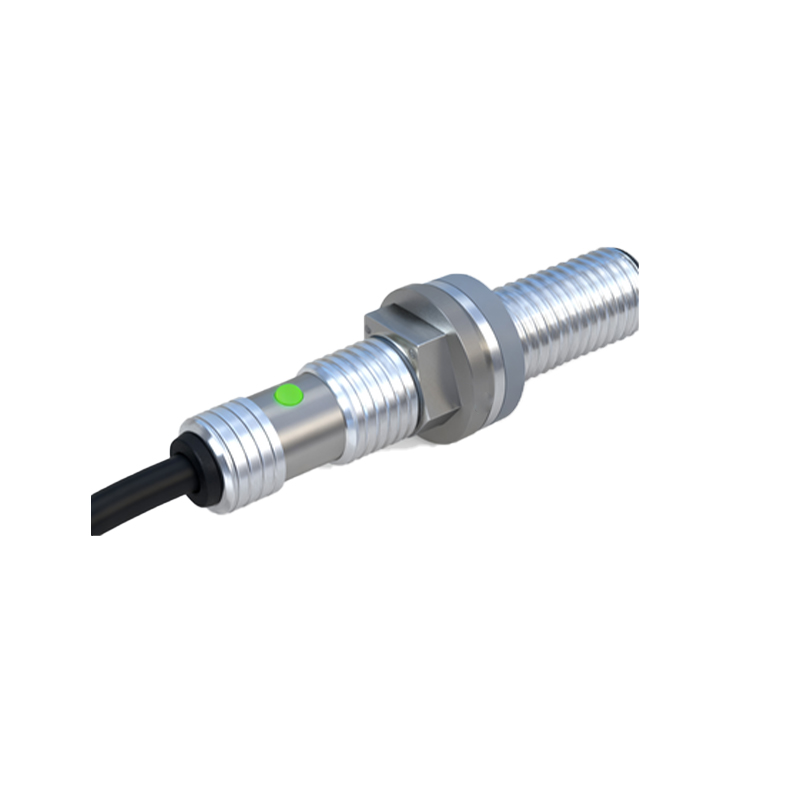
The integration of proximity switches and speed sensors into industrial systems enhances automation by providing real-time data for control loops. For instance, in a production line, proximity switches can detect when a product reaches a specific point, triggering subsequent actions like sorting or packaging, while speed sensors monitor conveyor belt velocity to maintain consistent throughput. In automotive manufacturing, these sensors ensure precise assembly by verifying part presence and measuring rotational speeds of components like engines or wheels. Moreover, they contribute to safety by enabling emergency shutdowns if abnormal conditions, such as unexpected object proximity or excessive speed, are detected.
Advancements in technology have led to smarter, more compact sensors with enhanced features like digital outputs, self-diagnostic capabilities, and connectivity to Industrial Internet of Things (IIoT) networks. This allows for predictive maintenance, where sensors can alert operators to potential failures before they occur, reducing downtime and costs. For example, a proximity switch with IIoT integration might transmit data on object detection frequency, helping to optimize cycle times, while a speed sensor could provide trends on machinery wear based on vibration analysis.
When selecting proximity switches and speed sensors, engineers must consider factors such as detection range, material compatibility, environmental conditions, and output requirements. Proper installation and calibration are crucial to avoid false triggers or inaccurate readings. Regular maintenance, including cleaning and testing, ensures long-term reliability. In summary, proximity switches and speed sensors are indispensable tools in modern industry, driving automation forward with their ability to deliver accurate, contactless sensing and speed measurement. As industries evolve toward greater connectivity and intelligence, these components will continue to be at the forefront, enabling smarter, safer, and more efficient operations worldwide.