In the realm of modern electronics and smart systems, the human body proximity sensor has emerged as a fundamental component, enabling seamless and intuitive interaction between humans and machines. Unlike simple touch interfaces, these sensors detect the presence, absence, or movement of a human body within a defined range without requiring physical contact. This capability forms the backbone of numerous applications that prioritize convenience, energy efficiency, and safety.
At its core, a human body proximity sensor operates by emitting a field or beam of electromagnetic radiation, often infrared (IR), or by sensing changes in a local field, such as capacitance. When a person enters this sensing zone, the field is disturbed. For instance, a passive infrared (PIR) sensor detects the heat radiation emitted by the human body. A capacitive sensor, on the other hand, measures changes in an electrical field caused by the conductive properties of the human body. The sensor's circuitry processes this disturbance and converts it into an electrical signal that triggers a predefined action, such as turning on a light, activating a display, or initiating a safety shutdown.
The advantages of integrating these sensors are multifaceted. Foremost is enhanced energy conservation. In lighting systems, for example, lights equipped with occupancy sensors automatically turn off in unoccupied rooms, leading to significant reductions in electricity consumption. In consumer electronics like laptops and smartphones, proximity sensors detect when the device is held to the ear during a call, deactivating the touchscreen to prevent accidental inputs and saving battery life. Safety is another critical benefit. In industrial settings, proximity sensors can create invisible safety barriers around hazardous machinery, immediately halting operation if a worker gets too close, thereby preventing potential injuries.
The applications of human body proximity sensors are vast and continually expanding. In the smart home ecosystem, they are integral to automated lighting, climate control, and security systems. A sensor can detect a person's approach to a smart doorbell, activating the camera and sending an alert to the homeowner. In retail and public spaces, interactive digital signage can engage customers by displaying content when someone walks by. The automotive industry relies heavily on these sensors for features like keyless entry systems, hands-free trunk opening, and driver alertness monitoring. Furthermore, in the healthcare sector, they are used in touchless faucets and sanitizer dispensers to maintain hygiene, and in patient monitoring systems to alert staff if a vulnerable individual leaves a bed or a designated area.
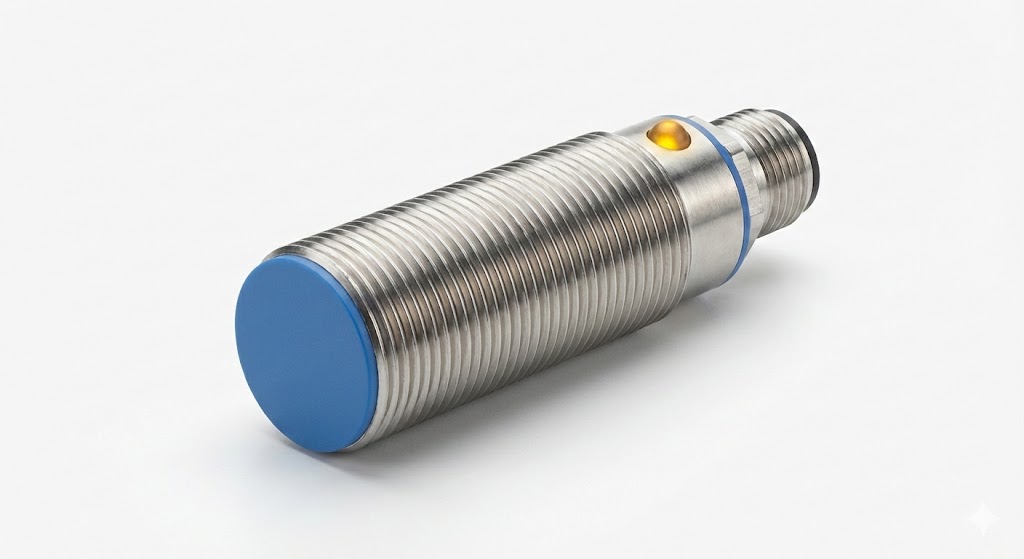
When selecting and implementing a human body proximity sensor, several technical factors must be considered. The sensing range, which can vary from a few centimeters to several meters, must be appropriate for the application. The field of view, especially for PIR sensors, determines the detection area's shape and angle. Response time is crucial for applications requiring immediate reaction, such as safety gates. Environmental robustness is also key; sensors must be designed to operate reliably despite interference from ambient light, temperature fluctuations, or other sources of electromagnetic noise. Modern sensors often incorporate advanced algorithms to filter out false triggers, such as those caused by small pets or moving curtains, ensuring accurate and reliable performance.

Looking ahead, the future of human body proximity sensing is intertwined with advancements in artificial intelligence and the Internet of Things (IoT). Smarter sensors will not only detect presence but also interpret gestures, count people, and even analyze behavioral patterns. Integration with AI will enable predictive automation, where a system learns a user's habits and anticipates actions. For instance, a smart home could learn an individual's evening routine and automatically adjust lighting and temperature as they move from room to room. Miniaturization and reduced power consumption will further enable their proliferation in wearable technology and ultra-compact devices.
In conclusion, the human body proximity sensor is a silent yet powerful enabler of the interactive, efficient, and safe technological environments we are building. From conserving energy in our homes to ensuring safety in factories and adding convenience to our daily gadgets, its role is indispensable. As technology evolves, these sensors will become even more sophisticated, intuitive, and seamlessly woven into the fabric of our daily lives, making human-machine interaction more natural and effortless than ever before.