In demanding industrial environments, standard sensors often fail. High temperatures, harsh chemicals, and relentless vibration can quickly degrade performance and lead to costly downtime. This is where the high temperature resistant proximity switch sensor becomes an indispensable component. Engineered to operate reliably in extreme thermal conditions, these robust devices ensure continuous process monitoring and control where others cannot survive.
A proximity sensor, at its core, is a non-contact device that detects the presence or absence of an object within its sensing range. Traditional inductive, capacitive, or magnetic sensors work perfectly in controlled settings. However, when ambient temperatures soar—commonly in foundries, metal processing, glass manufacturing, ceramic kilns, near engines, or in automotive paint drying ovens—their internal electronics, housing materials, and sensing elements are pushed beyond their limits. A high temperature resistant variant is specifically designed to withstand these challenges.
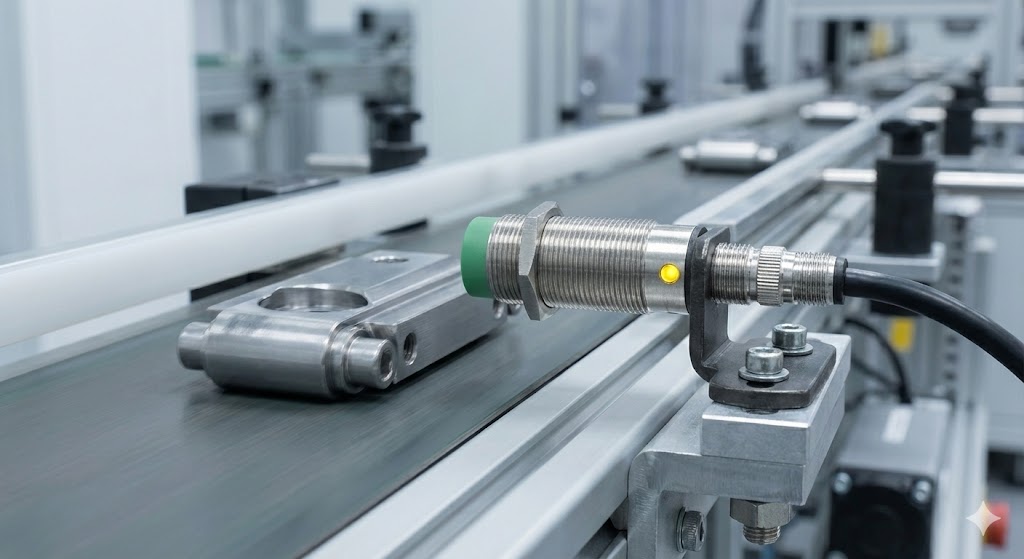
The defining characteristic of these specialized sensors is their ability to function consistently at elevated temperatures, often ranging from 150°C (302°F) to over 250°C (482°F), with some models rated for even higher extremes. This resilience is achieved through a combination of advanced engineering and premium materials. The housing is typically constructed from high-grade stainless steel (such as 316L) or specialized high-temperature alloys that resist corrosion and thermal expansion. Critical internal components, including the coil in inductive sensors, are wound with high-temperature wire and potted with thermally stable, ceramic-filled epoxies or other insulating compounds that prevent melting or breakdown.
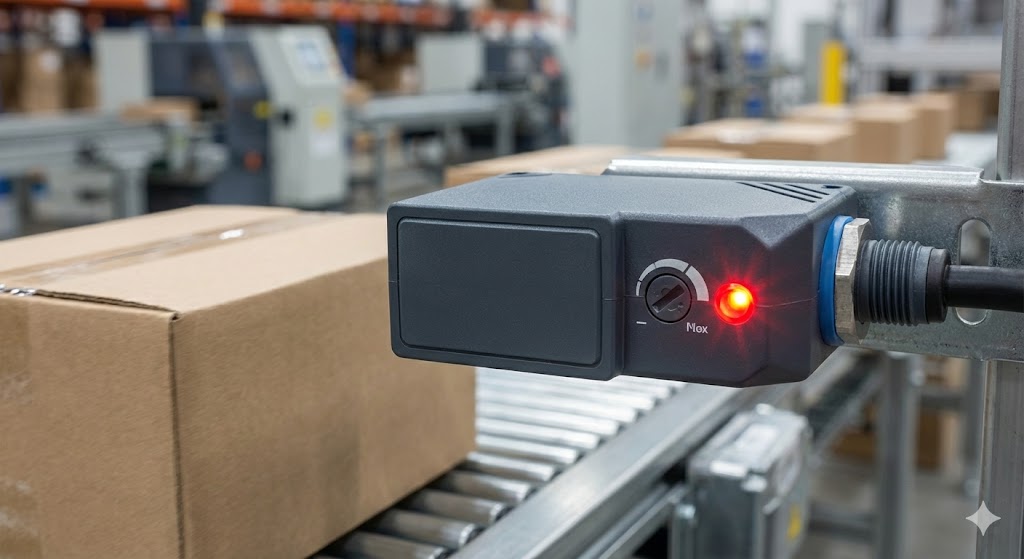
The sensing face is another critical area. It is designed to minimize heat transfer from the hot target object back to the sensitive internal electronics. This may involve a specially designed air gap or the use of a thermally insulating barrier material. Furthermore, the electrical connections and cabling are integral to performance. High-temperature sensors are equipped with cables sheathed in materials like Teflon (PTFE/PFA) or fiberglass, which remain flexible and insulating at extreme temperatures, unlike standard PVC that would melt or become brittle.
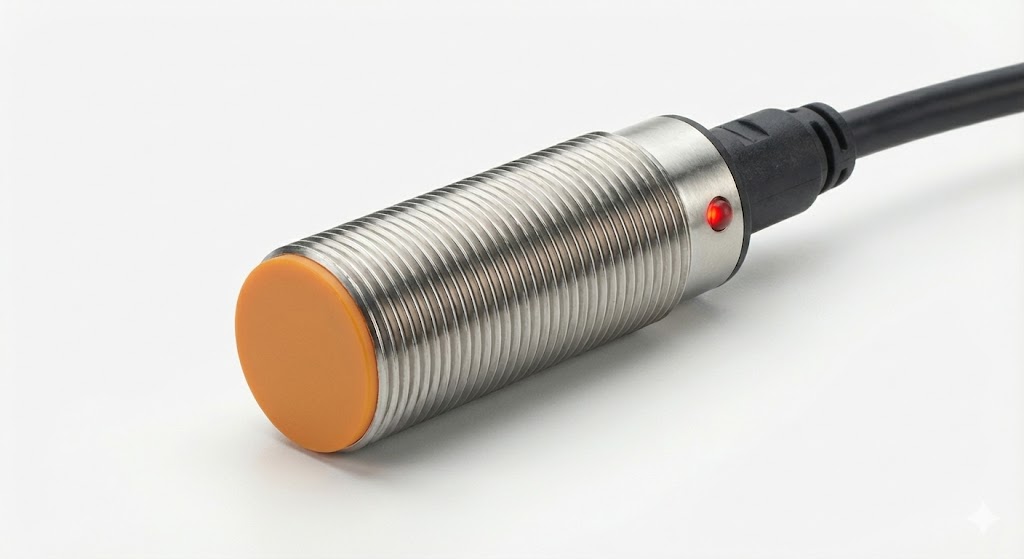
The applications for high temperature resistant proximity sensors are vast and critical. In the metal industry, they are used for position detection of red-hot billets, ingots, or molten metal containers. In glass production, they monitor the position of bottles or sheets as they move through annealing lehrs. Within automotive manufacturing, they ensure robotic arms correctly handle engine blocks or components exiting high-temperature cleaning or coating processes. In plastic injection molding, they detect molds or parts in hot presses. Their role is always the same: to provide a reliable, maintenance-free signal in an environment that would destroy a standard sensor.
Selecting the right high temperature resistant proximity sensor requires careful consideration of several parameters beyond just the maximum ambient temperature. One must account for the temperature of the target object itself, which can be significantly higher than the surrounding air. The sensing distance may be derated at higher temperatures, so consulting the manufacturer's temperature/distance graphs is essential. The type of output (PNP/NPN, analog, or IO-Link) must be compatible with the control system, and the electrical connection (pre-wired cable or connector) must be rated for the thermal environment. Enclosure ratings (IP67/IP69K) are also crucial to ensure resistance not just to heat, but also to water, dust, and chemical washdowns common in these settings.
Installation and maintenance practices differ slightly from standard sensors. While designed for durability, it is advisable to mount them away from direct radiant heat sources when possible, using brackets or heat shields if necessary. Ensuring a stable power supply and protecting the cable from mechanical abrasion against hot surfaces will extend service life. Despite their ruggedness, periodic checks for physical damage, buildup of debris on the sensing face, and signal integrity are recommended as part of a preventative maintenance schedule.
The long-term benefits of investing in properly specified high-temperature sensors are substantial. They dramatically reduce unplanned stoppages caused by sensor failure, increase overall equipment effectiveness (OEE), and lower total cost of ownership by eliminating the frequent replacement of standard sensors. They enhance safety by providing dependable feedback in hazardous high-heat zones and contribute to consistent product quality through reliable process control.
In conclusion, the high temperature resistant proximity switch sensor is not merely an accessory but a fundamental engineering solution for extreme industrial automation. By understanding their construction, key selection criteria, and application best practices, engineers and maintenance professionals can ensure robust, continuous, and safe operation of their most thermally challenging processes. As industries push the boundaries of efficiency and output, the reliability of these hardened components becomes ever more critical to sustainable productivity.