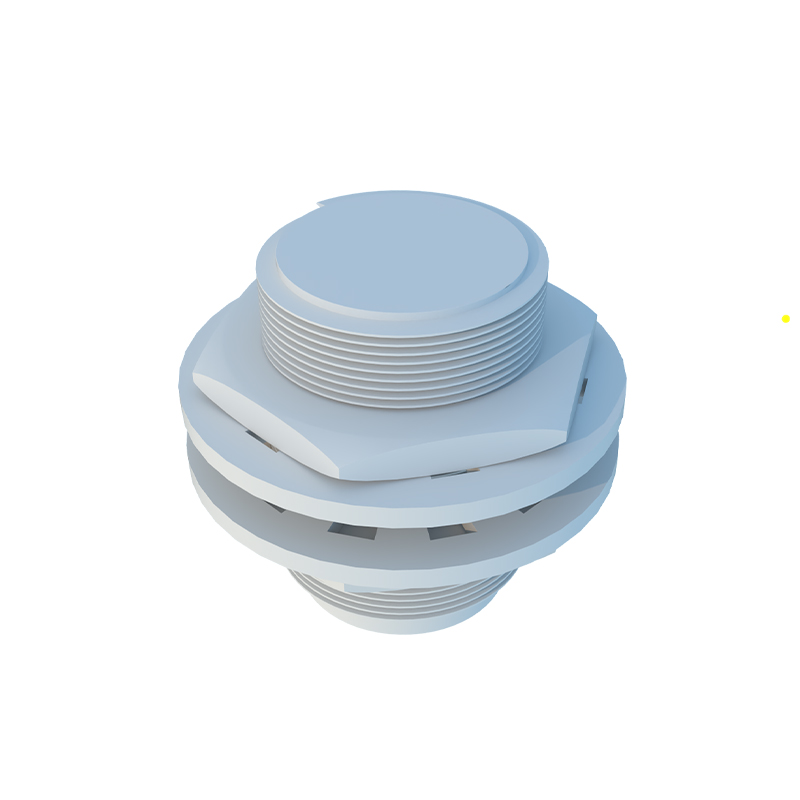
In the world of industrial automation and machinery, miniature proximity sensors are indispensable components, known for their compact size and high precision in detecting objects without physical contact. A common question that arises among engineers and system designers is: Are these sensors waterproof? The answer is not a simple yes or no, as it depends on several factors, including the sensor's design, construction, and intended application.
Miniature proximity sensors are typically built to withstand harsh environments, but their level of water resistance varies. Most manufacturers adhere to international standards, such as the Ingress Protection (IP) rating system, to classify the degree of protection against solids and liquids. For instance, sensors with an IP67 rating are dust-tight and can be immersed in water up to 1 meter deep for 30 minutes, making them suitable for wet conditions like washdown areas in food processing plants. Higher ratings like IP68 or IP69K indicate even greater resistance, with IP68 allowing continuous submersion under specified conditions and IP69K providing protection against high-pressure, high-temperature water jets, often used in heavy-duty industries like automotive manufacturing.
However, it's crucial to understand that "waterproof" is a relative term. While many miniature proximity sensors are water-resistant, they may not be fully waterproof in all scenarios. Factors such as water pressure, temperature, chemical exposure, and installation methods can impact performance. For example, a sensor rated IP67 might fail if exposed to prolonged submersion beyond its limits or if the housing is damaged. Additionally, the sensor's material—often stainless steel or plastic—plays a role in durability. Stainless steel housings offer better corrosion resistance, which is vital in marine or chemical environments, whereas plastic variants might be more prone to degradation over time.
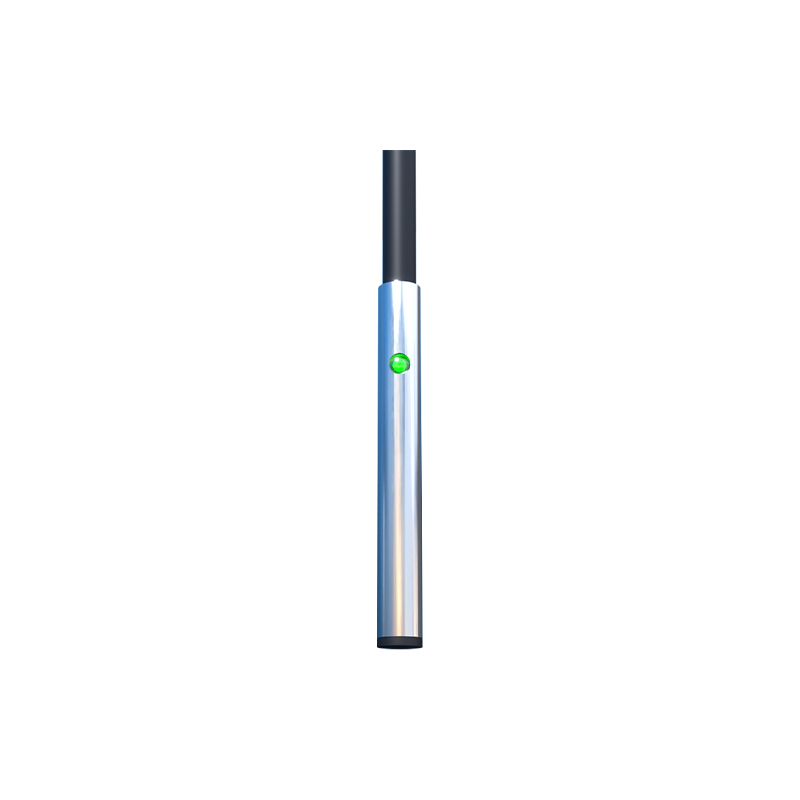
In practical applications, selecting the right sensor involves assessing the operating conditions. In outdoor settings or humid indoor areas, opting for sensors with higher IP ratings ensures reliability and longevity. It's also advisable to consider additional features like sealed connectors and cable glands, which enhance overall water resistance. Regular maintenance, such as checking for cracks or seal wear, can prevent water ingress and extend sensor life.
Ultimately, miniature proximity sensors can be highly water-resistant, but engineers must verify specifications and match them to environmental demands. By consulting manufacturer datasheets and industry guidelines, one can ensure optimal performance and avoid costly downtime due to water-related failures.