In the realm of industrial automation and control systems, proximity switch sensors are indispensable components for non-contact detection of objects. While the sensing element itself is the core, the protective plastic cover plays a critical, often underappreciated role in ensuring long-term reliability and performance. This article delves into the engineering aspects of these plastic housings, covering material science, design imperatives, and application-specific solutions.
The primary function of a plastic cover for a proximity sensor is to shield the sensitive internal electronics—including the oscillator, amplifier, and output circuit—from harsh environmental factors. These include physical impact, abrasive dust, metal chips, cutting fluids, coolants, oils, and chemical splashes. Without a robust cover, sensor failure rates would increase dramatically, leading to costly downtime and maintenance.
Material selection is the cornerstone of an effective cover design. Engineers must balance mechanical strength, chemical resistance, thermal stability, and dielectric properties. Common engineering thermoplastics used include:
Polyamide (PA, Nylon): Widely favored for its excellent mechanical strength, good wear resistance, and decent performance against oils and coolants. Grades like PA6 and PA66 are industry standards for general machinery applications.
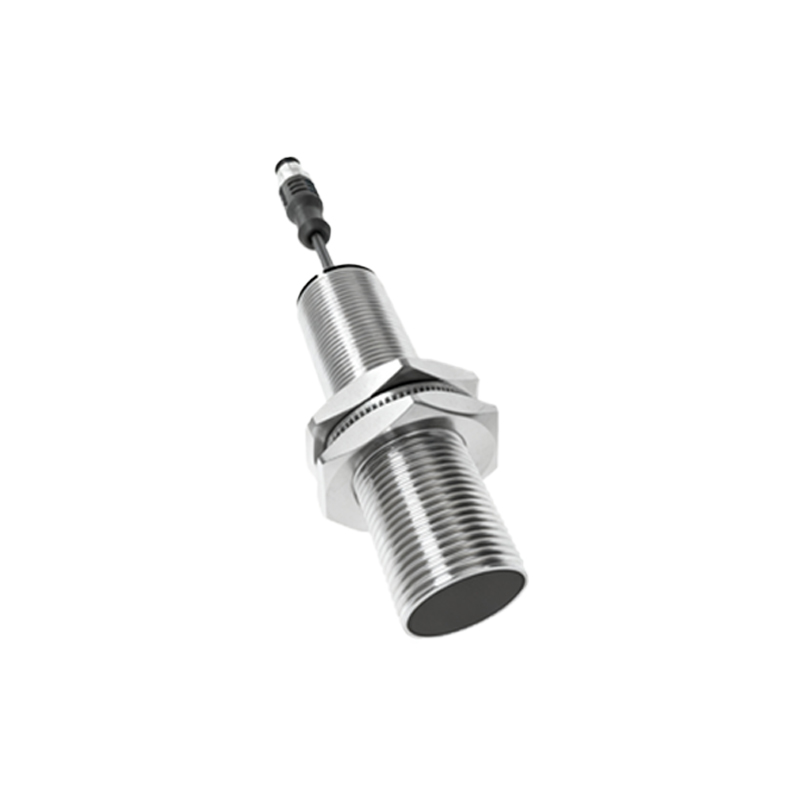
Polycarbonate (PC): Offers superior impact resistance and clarity, making it suitable for applications where visual inspection of the sensor status LED is necessary. Its resistance to weathering is also a benefit.
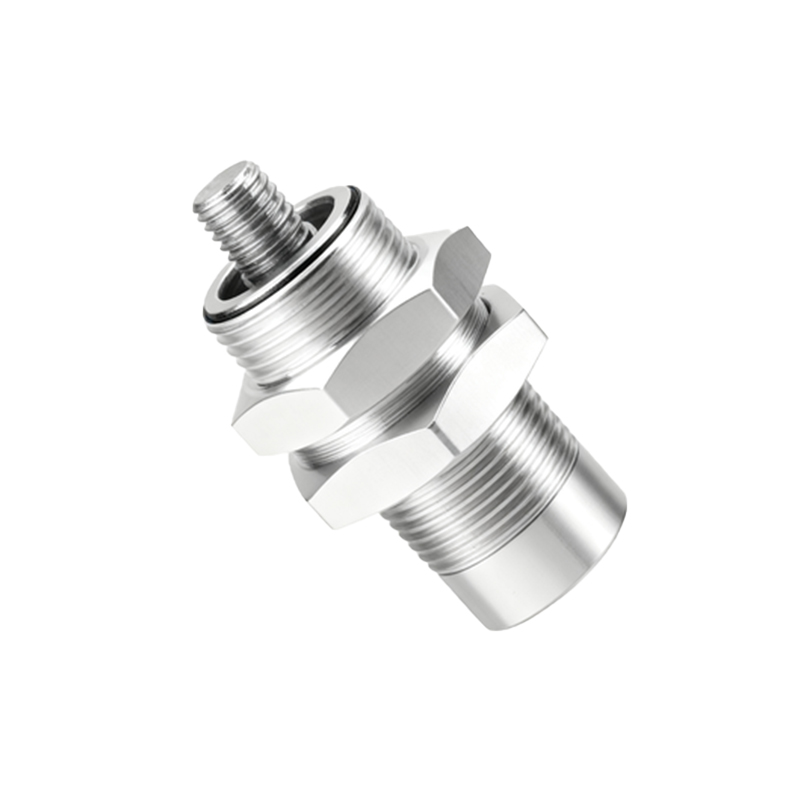
Polypropylene (PP): Provides outstanding chemical resistance, particularly to acids and bases, and is often used in chemically aggressive environments. Its cost-effectiveness is an added advantage.
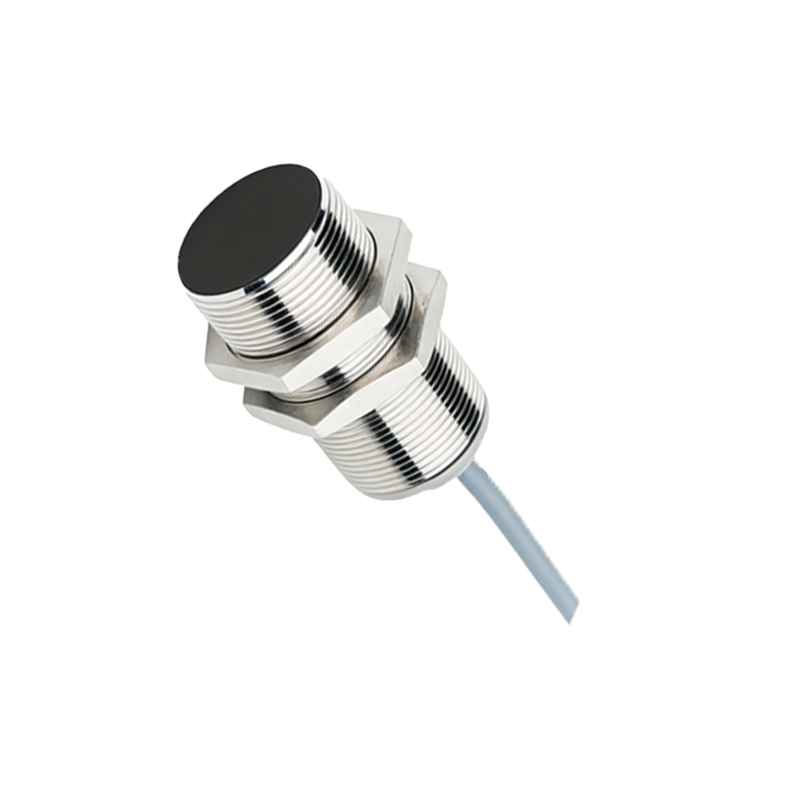
Polyvinylidene Fluoride (PVDF): Employed in extreme situations requiring exceptional resistance to harsh chemicals, high temperatures, and UV radiation, common in chemical processing or semiconductor fabrication.
Polyphenylene Sulfide (PPS): A high-performance plastic known for its incredible thermal stability (withstanding continuous temperatures over 200°C) and inherent flame retardancy, used in automotive or high-temperature manufacturing processes.
The design geometry of the cover is equally crucial. Key considerations include:
Wall Thickness: Must be uniform to prevent sink marks and warping during injection molding, ensuring consistent mechanical protection and proper fit.
Sealing and IP Rating: The interface between the cover and the sensor body, as well as cable entry points, must be meticulously designed to achieve the required Ingress Protection (IP) rating, such as IP67 (dust-tight and protected against temporary immersion) or IP69K (protected against high-pressure, high-temperature water jets).
Sensing Face Design: For inductive proximity sensors, the material and thickness of the front "sensing face" are paramount. The cover must use a material with low electromagnetic damping (like PTFE-filled or specific nylon blends) and be as thin as feasibly possible to minimize the reduction in the sensor's nominal sensing distance (Sn). Poor design here can cut effective range by 50% or more.
Mounting Features: Integrated threads (e.g., M8, M12, M18, M30), grooves for mounting nuts, or flanges must be designed with precision to withstand vibration and repeated installation/removal cycles without stripping or cracking.
Cable Strain Relief: A well-designed cover incorporates features to secure and protect the cable, preventing pull forces from being transferred to the internal electrical connections.
Application dictates specification. In food and beverage or pharmaceutical packaging, covers made from FDA-compliant materials like specific PP or PVDF grades are mandatory, requiring smooth, crevice-free surfaces for easy cleaning. In metalworking and machining centers, covers must resist prolonged exposure to synthetic metalworking fluids and flying swarf. For welding robots, covers require special additives to resist UV degradation from arc welding and spatter adhesion.
In conclusion, the plastic cover of a proximity sensor is far more than a simple shell. It is a precision-engineered component that directly influences sensor longevity, sensing performance, and system uptime. A deep understanding of polymer properties, coupled with application-specific design, allows engineers to specify the correct sensor housing for any challenging industrial environment, ensuring detection reliability forms the solid foundation of an efficient automated process.