In modern industrial automation and process control, achieving accurate rotational speed measurement is critical for ensuring equipment efficiency, safety, and reliability. Among various sensing technologies, laser sensors have emerged as a superior solution for non-contact speed measurement, offering high precision, versatility, and minimal interference with target systems. This article explores the principles, advantages, and practical applications of laser-based tachometry in industrial settings.
The fundamental principle behind laser speed sensors involves the Doppler effect or time-of-flight measurement. In a typical setup, a laser diode emits a coherent light beam toward a rotating surface, such as a shaft, gear, or turbine blade. The reflected light, modulated by the surface's motion, is captured by a photodetector within the sensor. By analyzing the frequency shift (Doppler method) or the interval between successive pulses (time-of-flight), the sensor's embedded processor calculates rotational speed in revolutions per minute (RPM) or linear velocity. This non-contact approach eliminates mechanical wear, reduces maintenance needs, and allows measurement on high-speed or fragile components where physical contact is impractical.
Key advantages of laser sensors for speed measurement include exceptional accuracy, often within ±0.05% of reading, and high resolution, enabling detection of minute speed variations. Their fast response time, typically in microseconds, makes them ideal for dynamic systems requiring real-time monitoring. Additionally, laser sensors are immune to electromagnetic interference, a common issue in electrically noisy industrial environments. They can measure a wide range of speeds, from near-zero to over 100,000 RPM, and are effective on various surface types, including metallic, plastic, or even translucent materials, with optional retro-reflective tapes enhancing signal strength on poor reflectors.
In practice, laser tachometers are extensively used across industries. In automotive manufacturing, they monitor engine crankshaft and wheel speeds during testing. In aerospace, they measure turbine and propeller rotations without affecting aerodynamic performance. Within the energy sector, laser sensors track wind turbine blades and generator shafts to optimize power output and prevent overspeed conditions. They also play a vital role in conveyor belt speed control in logistics, paper web velocity measurement in printing, and spindle speed verification in CNC machining. Installation considerations involve aligning the sensor perpendicular to the target surface at an optimal distance, usually specified by the manufacturer, and ensuring a clean line of sight to avoid signal degradation from dust or vibrations.
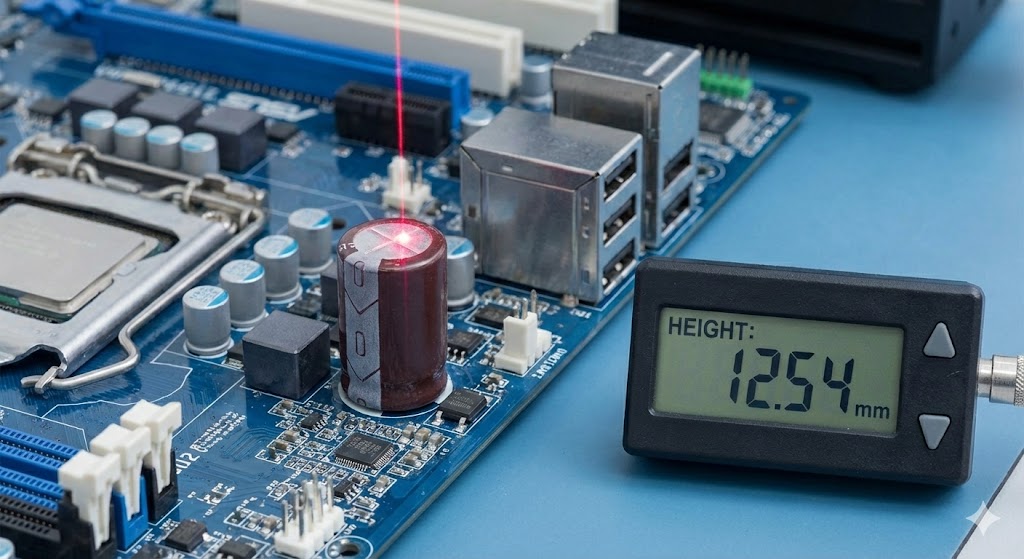
Despite their benefits, challenges such as ambient light interference, extreme temperatures, or highly reflective surfaces may affect performance. Modern laser sensors address these with adaptive algorithms, protective housings (IP67-rated for harsh conditions), and adjustable sensitivity settings. Integration with industrial networks (e.g., PROFINET, EtherCAT) allows seamless data logging and control system feedback, enabling predictive maintenance and process optimization.
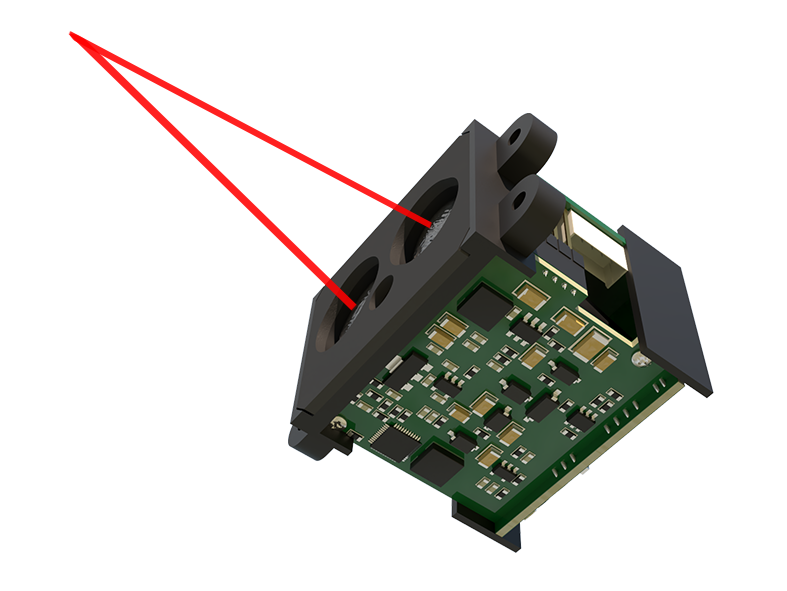
Looking ahead, advancements in laser diode miniaturization and cost reduction are expanding applications to smaller machinery and IoT-enabled devices. Combined with AI-driven analytics, laser speed sensors are evolving from mere measurement tools to intelligent components of smart factories, contributing to enhanced productivity and reduced downtime. For engineers, selecting the right laser sensor involves evaluating factors like measurement range, output interface, environmental robustness, and compliance with safety standards (e.g., IEC 60825 for laser classification).
In summary, laser sensors provide a reliable, high-performance method for rotational speed measurement, aligning with the growing demand for precision in industrial automation. Their non-contact nature, coupled with technological refinements, ensures they remain a cornerstone in monitoring and controlling rotational motion across diverse sectors.