Proximity sensors have become indispensable components in today's automated and smart systems, offering non-contact detection capabilities that enhance efficiency, safety, and precision across various sectors. These sensors detect the presence or absence of objects within a specific range without physical contact, utilizing technologies such as inductive, capacitive, ultrasonic, and photoelectric principles. Their applications span from manufacturing and automotive to consumer electronics and beyond, making them a cornerstone of modern industrial innovation.
In manufacturing and industrial automation, proximity sensors play a critical role in streamlining production lines. They are commonly used for object detection, position sensing, and counting tasks. For instance, in conveyor systems, inductive proximity sensors detect metal parts to control sorting or assembly processes, ensuring smooth operations and reducing downtime. Capacitive sensors, on the other hand, can identify non-metallic materials like plastics or liquids, making them ideal for packaging or filling applications. This versatility allows factories to maintain high throughput while minimizing manual intervention, leading to cost savings and improved product quality.
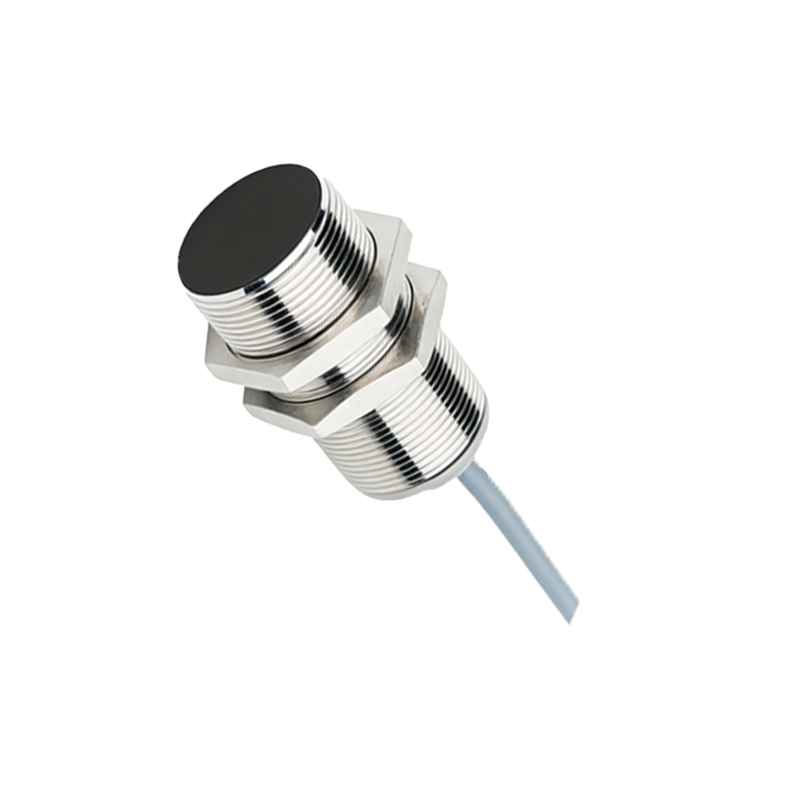
The automotive industry heavily relies on proximity sensors for safety and functionality. In vehicles, ultrasonic sensors are integrated into parking assistance systems to detect obstacles and prevent collisions, providing drivers with real-time alerts. Inductive sensors monitor wheel speed for anti-lock braking systems (ABS), enhancing vehicle stability and control. Additionally, capacitive sensors are used in touch-sensitive controls for infotainment systems, offering a sleek, user-friendly interface. These applications not only boost safety standards but also contribute to the development of autonomous driving technologies, where precise environmental sensing is paramount.
Consumer electronics and smart devices also benefit from proximity sensor integration. In smartphones, photoelectric sensors detect when a user holds the phone near their ear during a call, automatically turning off the display to save power and prevent accidental touches. Similarly, in home automation systems, sensors enable touchless faucets, automatic doors, and lighting controls, promoting hygiene and energy efficiency. The Internet of Things (IoT) ecosystem leverages these sensors for smart home applications, allowing devices to respond intelligently to user proximity, thereby enhancing convenience and sustainability.
Beyond these sectors, proximity sensors find use in robotics, aerospace, and healthcare. In robotics, they provide accurate object detection for navigation and manipulation, enabling collaborative robots (cobots) to work safely alongside humans. Aerospace applications include landing gear monitoring and component alignment, where reliability is crucial. In healthcare, sensors assist in medical equipment like infusion pumps or diagnostic tools, ensuring precise operation and patient safety. The non-contact nature of these sensors reduces wear and tear, extends equipment lifespan, and minimizes contamination risks in sterile environments.
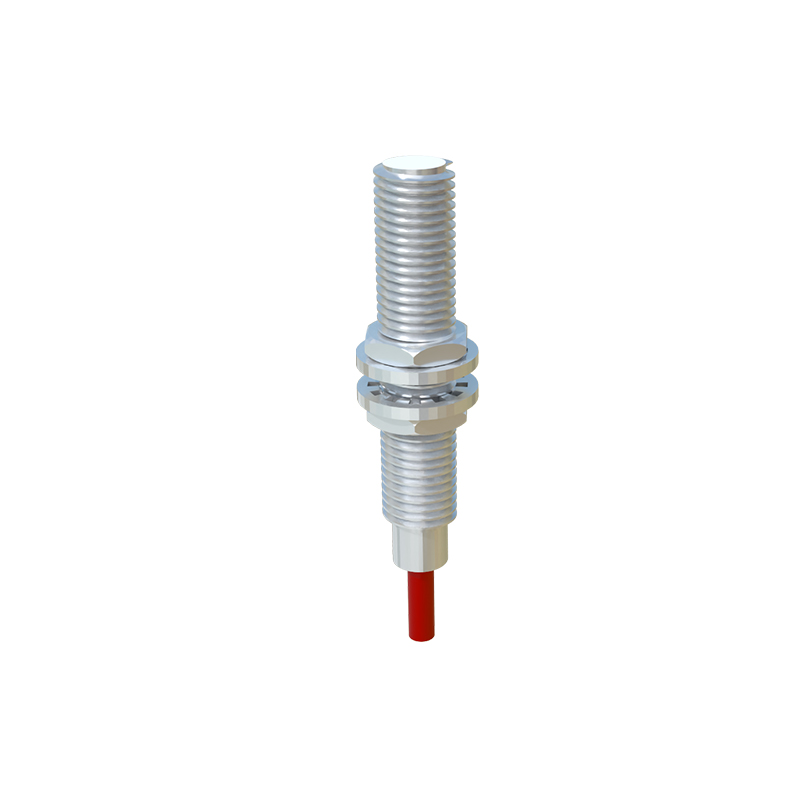
Overall, the utility of proximity sensors lies in their ability to deliver reliable, contactless sensing in diverse conditions. They support automation, enhance safety, and enable innovative solutions across industries. As technology advances, with trends like miniaturization and increased sensitivity, their applications are expected to expand further, driving progress in smart manufacturing, sustainable energy, and beyond. By understanding their capabilities, engineers and businesses can leverage proximity sensors to optimize processes and create more responsive, efficient systems for the future.