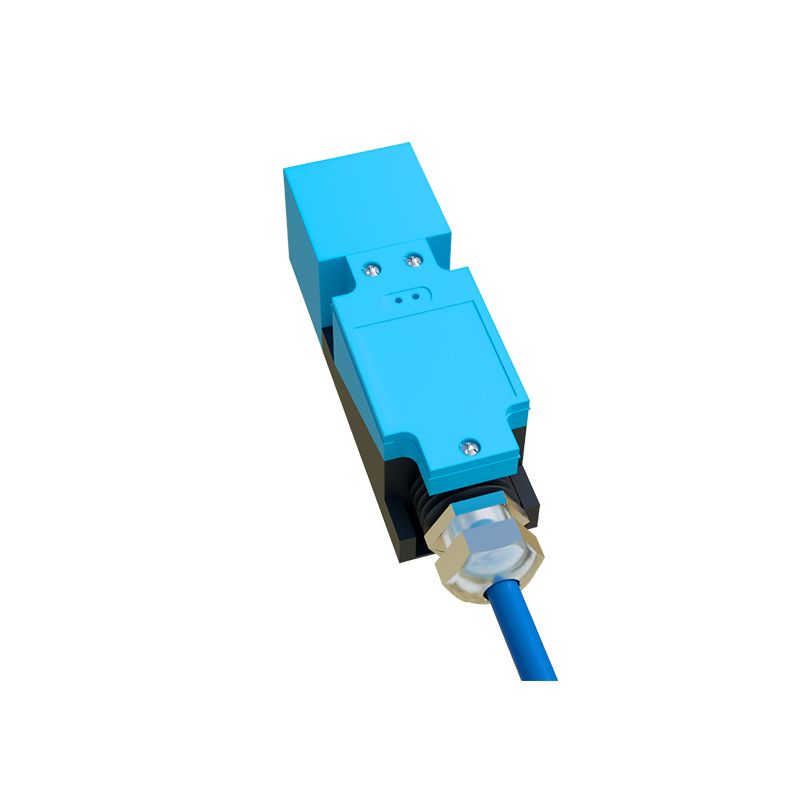
In the realm of industrial automation and machine design, proximity sensors are indispensable components for non-contact object detection. Among the various form factors available, the 8mm diameter cylindrical sensor has emerged as a particularly popular and versatile choice. This article delves into the technical specifications, operational principles, and practical considerations surrounding 8mm proximity sensors, providing a comprehensive guide for engineers and procurement specialists.
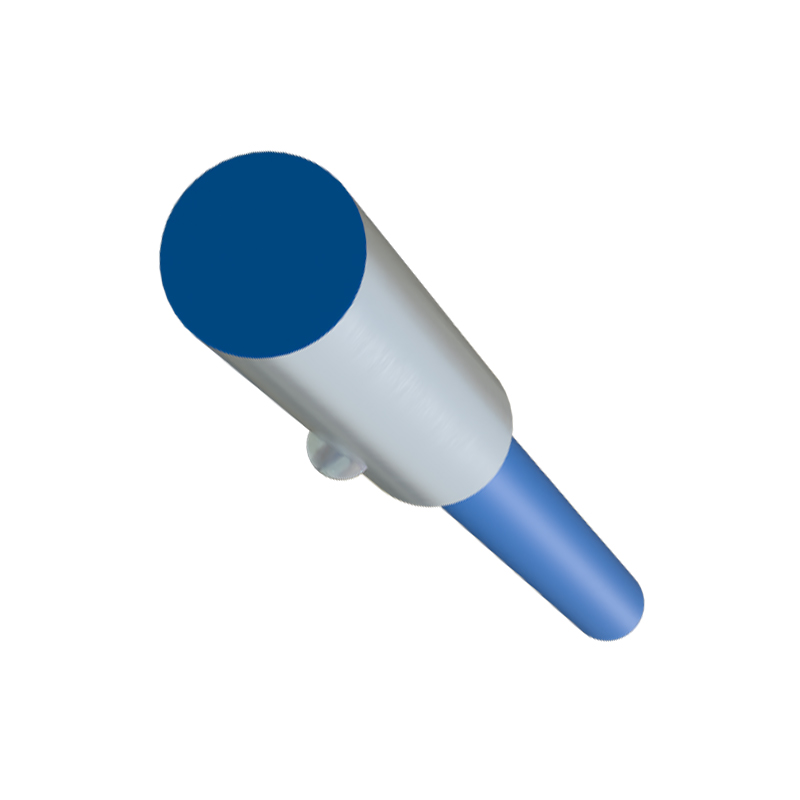
Fundamentally, an 8mm proximity sensor is defined by its threaded barrel housing, typically conforming to an M8 standard thread. This compact size strikes an optimal balance between sensing performance, durability, and spatial efficiency. The core technology can be either inductive or capacitive. Inductive 8mm sensors are the workhorses for detecting metallic objects. They generate an electromagnetic field from a coil and oscillator; when a metal target enters this field, it causes eddy currents that dampen the oscillation, triggering a switching signal. Their sensing range, while dependent on the target metal type, is generally up to 2mm for mild steel. Capacitive 8mm sensors, on the other hand, can detect a wider variety of materials, including liquids, plastics, and wood, by sensing changes in capacitance caused by the target's dielectric properties.
The selection of an 8mm sensor hinges on several critical parameters beyond just the diameter. The sensing distance, or "Sn," is paramount. For a standard inductive M8 sensor, this is typically 1.5mm to 2mm. It is crucial to note that this rated distance is calibrated for a standard mild steel target. Factors like target material, size, and shape can significantly affect the actual usable range. Engineers must always consult derating curves for non-ferrous metals like aluminum or brass, which may require a reduction factor of 0.3 to 0.5. The housing material is another key consideration. While nickel-plated brass is common for general-purpose use, stainless steel variants (often AISI 303 or 316) are essential for corrosive environments, washdown applications in food and beverage, or pharmaceutical settings.
Electrical characteristics define the sensor's interface with the control system. The output configuration is primarily either PNP (sourcing) or NPN (sinking), with PNP being more prevalent in Europe and NPN in some other regions. The output type can be normally open (NO), normally closed (NC), or analog (4-20mA or 0-10V). The operating voltage range, commonly 10-30V DC, must be compatible with the plant's power supply. Additionally, protection ratings are non-negotiable for reliability. An ingress protection (IP) rating of IP67 is standard, indicating protection against dust and temporary immersion, while IP69K signifies suitability for high-pressure, high-temperature washdowns. The connection method is also vital: pre-wired cables or quick-disconnect (QD) connectors offer different advantages for maintenance and installation.
The applications for 8mm proximity sensors are vast and cross-industrial. In automotive assembly lines, they are used for part presence verification, end-of-arm tooling confirmation on robots, and cylinder position feedback. Packaging machinery utilizes them to detect foil seals, count products on conveyors, and monitor fill levels in non-metallic containers using capacitive models. In material handling, they ensure precise positioning of pallets and detect the presence of items on sorting lines. Their small size makes them ideal for integration into tight spaces within semiconductor fabrication equipment or complex jigs and fixtures.
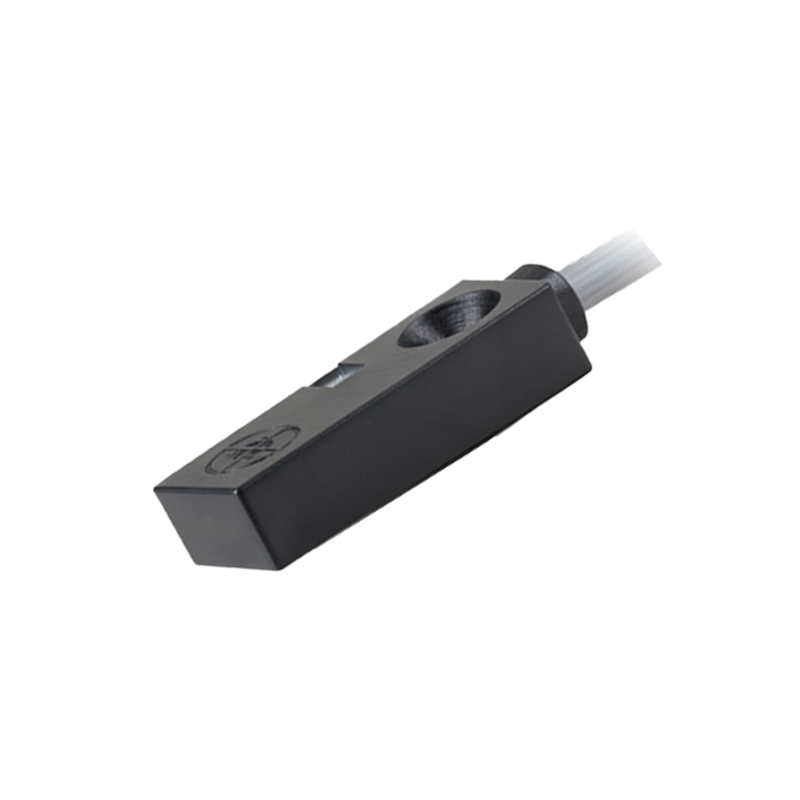
When specifying an 8mm proximity sensor, a systematic approach is recommended. First, define the target material to choose between inductive or capacitive technology. Second, determine the required sensing distance, applying necessary derating factors. Third, assess the environmental conditions: temperature, potential for chemical exposure, and need for washdown to select the appropriate housing and IP rating. Fourth, match the electrical output (PNP/NPN, NO/NC) to the input module of your PLC or controller. Finally, consider mechanical factors like the required mounting style (flush, non-flush) and connection type. Flush-mounted sensors can be embedded in metal, offering better mechanical protection, while non-flush models provide a longer sensing range.
In conclusion, the 8mm proximity sensor is a precision tool whose correct selection and application are critical to system reliability and efficiency. Its widespread adoption is a testament to its robust performance in a compact package. By meticulously evaluating the target, environment, and electrical requirements, engineers can leverage these sensors to build more responsive, accurate, and resilient automated systems. As Industry 4.0 advances, the integration of these sensors with IO-Link for digital parameterization and diagnostics is further enhancing their value, making the humble 8mm sensor a smart component in the connected factory of the future.