In the intricate ecosystem of modern vertical transportation, the elevator load weighing system stands as a critical component for operational efficiency, passenger comfort, and, most importantly, safety. At the heart of this system lies a sophisticated and often underappreciated device: the elevator load weighing proximity sensor. This technology has evolved from rudimentary mechanical switches to highly advanced, non-contact sensing solutions that form the neural network of an elevator's control intelligence.
The primary function of a load weighing proximity sensor is to accurately and continuously measure the total weight of the passenger load within the elevator car. This real-time data is transmitted to the elevator's main controller, which uses it to make instantaneous decisions. The most direct application is in preventing elevator overload. By signaling the controller when the car approaches or exceeds its rated capacity, the system can inhibit door closure, sound an alarm, or display a warning, thereby averting potential mechanical stress, excessive wear on components, and hazardous situations.
Beyond basic overload protection, the precision data from modern proximity sensors enables a suite of performance-enhancing features. One of the most significant is precise starting torque control. By knowing the exact load, the controller can calculate and apply the optimal amount of torque to the drive motor at startup. This eliminates the jerky, uncomfortable starts associated with older systems and ensures a smooth, level acceleration regardless of whether the car is empty or fully loaded. This not only enhances the passenger experience but also reduces mechanical shock and energy consumption.
Furthermore, load weighing data is integral to advanced traffic management systems in multi-elevator groups. The controller can dispatch the most appropriately sized car to a landing call based on the waiting crowd's predicted weight, optimizing passenger handling and reducing wait times. It also allows for accurate load-based energy-saving modes, where lighting or ventilation systems adjust based on occupancy.
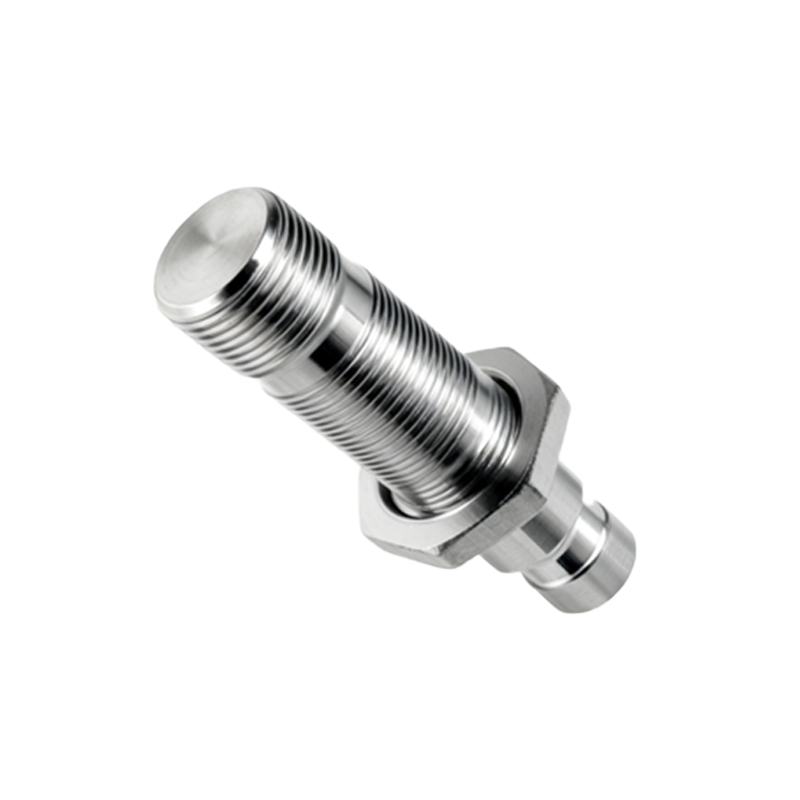
The technology behind these sensors has seen remarkable advancement. Modern elevator load weighing systems predominantly utilize non-contact proximity sensors, such as magnetostrictive or inductive sensors, which measure the deflection of the car's suspension system or platform. These sensors offer significant advantages over older load cell or mechanical lever systems. They are immune to environmental factors like dust, moisture, and temperature fluctuations that plague contact-based sensors. Their solid-state design ensures exceptional longevity, reliability, and minimal maintenance requirements. The absence of physical contact also means there is no mechanical wear, leading to consistent accuracy over the entire lifespan of the elevator.
Installation and calibration are paramount. Sensors are strategically mounted to measure the deflection of the car frame or the tension in the suspension ropes. During commissioning, technicians perform a meticulous calibration process, often involving known weights, to map the sensor's output signal (typically a 4-20mA current loop or a digital signal) to an exact weight value. This calibration data is then programmed into the elevator's control software. Regular verification of this calibration is a key part of preventative maintenance to ensure ongoing accuracy and safety compliance with international standards like EN 81-20/50.
Looking ahead, the integration of load weighing proximity sensors with the Internet of Things (IoT) and predictive analytics represents the next frontier. Sensor data can be streamed to cloud-based platforms for continuous monitoring, allowing for predictive maintenance alerts based on trends in load patterns or sensor performance drift. This shift from scheduled to condition-based maintenance promises unprecedented uptime and operational cost savings.
In conclusion, the elevator load weighing proximity sensor is far more than a simple overload switch. It is a precision instrument that silently and continuously feeds vital data to the elevator's brain, enabling smarter, safer, smoother, and more efficient vertical journeys. As building heights increase and passenger expectations for seamless mobility grow, the role of these robust, accurate, and intelligent sensors will only become more central to the future of elevator technology.